Seven Involved in Rollover Wreck on Hwy 50 Near Weeping Water, NE

James Harris • July 21, 2026

Weeping Water, NE (July 21, 2026) – Seven people were involved in a two-vehicle rollover on Highway 50 near Highway 34, just outside Weeping Water, on Monday evening, July 20. The crash was reported at approximately 5:30 p.m.


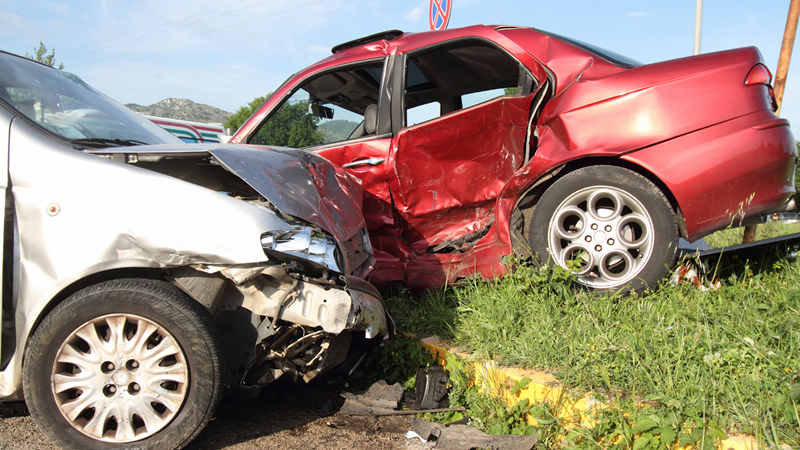
Officials reported that both vehicles overturned during the collision. One stopped on its side in the roadway, while the other left the highway and landed in a nearby cornfield.


Emergency units found four children and two adults outside the vehicles. Crews accounted for a seventh person shortly afterward and placed an air ambulance on standby before determining it was not needed.


Responders evaluated all seven people and found no signs of serious bleeding. The final number of injured people and the severity of their injuries remain unconfirmed.


The
Cass County Sheriff’s Office is investigating what caused the rollover crash.


Our thoughts are with everyone involved as they recover.


Why Are Rollover Crashes So Dangerous in Weeping Water, NE?


Rollover crashes in Weeping Water are dangerous because they expose occupants to force from several directions. People may strike parts of the cabin as a vehicle turns onto its side or roof. A collapsing roof can also raise the risk of head, neck, back, and spinal injuries.


Once a vehicle begins rolling, the driver has little control over where it stops or how many times it turns. Speed, road design, vehicle type, and seatbelt use may shape the outcome. Some injuries may not appear until hours or days later.


Because the body may move in several directions, rollover injuries can affect more than one area. A person may later develop headaches, dizziness, neck stiffness, or back pain despite initially feeling stable. A prompt medical examination can help identify hidden injuries.


When children are involved, recognizing injuries may be harder because they may struggle to explain what hurts. Families may also face medical bills, missed work, and calls from several insurers. Saving records and receipts can help document the crash’s effects.


As recovery continues, follow-up care, transportation problems, and disrupted routines may create added strain. Determining fault may require reviewing driver actions, vehicle damage, and roadway evidence. Nebraska’s comparative negligence rules can affect how responsibility and compensation are divided.


With several claims involved, an injured person may feel unsure about which records matter or how to deal with insurance adjusters. A
car accident lawyer can review the evidence, explain how fault may be assessed, and address disputes between insurers.


At Harris & Associates, we help injured people across Nebraska understand their legal options after serious crashes. Our team can review the circumstances and explain which steps may make sense.


If you were injured in a rollover crash in Weeping Water, call Harris & Associates at (402) 397-1202 to discuss your options. A conversation can help clarify what may come next.


Note:
This post is based on information obtained from publicly available secondary sources. While we strive to ensure the accuracy of the information presented, Harris & Associates, P.C, L.L.O has not independently verified all details of the incident reported. If you notice any inaccuracies or missing information, please contact Harris & Associates, P.C, L.L.O so we can promptly review and update the content.


Disclaimer:
The content of this post is provided for general informational purposes only and should not be interpreted as legal or medical advice. Reading this post does not create an attorney-client relationship with Harris & Associates, P.C, L.L.O. If you have been injured in an accident, seek appropriate medical care and consult a qualified attorney regarding your legal options. Any images included are for illustrative purposes only and do not depict the actual accident scene or individuals involved.

Hire Our Personal Injury Attorney Based in Omaha, NE

Call Harris & Associates, P.C, L.L.O today

serving Omaha, NE and surrounding areas

Thank you for visiting the website of Harris & Associates, P.C, L.L.O Our experienced personal injury law firm represents clients in and around Omaha, NE. Our focus areas include truck and semitruck collisions, workplace injuries, workers' compensation, brain injuries and product liability and neglect. We can also represent clients for a variety of other legal matters.


Please use the form on this page to schedule an appointment. Or you can call (402) 397-1202 to speak with someone directly.

Email Us Today

Contact Form

SMS Text Messaging Disclosure:

By providing a telephone number and submitting this form, you consent to receive SMS text messages from Harris & Associates, PC, LLO. Message frequency may vary. Message and data rates may apply. Reply STOP to opt out of further messaging or HELP for more information. Please review our Privacy Policy  for details on how we handle your information.


Harris & Associates, P.C, L.L.O


Our Location

13625 California Street, Omaha, Nebraska 68154, United States

Call Us:

Hours:

Mon - Fri
-
Sat - Sun
Appointment Only
By James Harris July 23, 2026
Omaha, NE (July 23, 2026) – Several vehicles collided on 204th Street near Dodge Street in Omaha on Wednesday, July 22. The crash happened in the northbound lanes just south of Dodge Street around 3:51 p.m. Initial information indicated that multiple SUVs and a sedan were involved. At least one vehicle remained in the roadway, and another appeared to have a broken axle. Emergency units were requested to assist those involved shortly after the wreck was reported. Investigators have not yet confirmed the number of people injured or the extent of their injuries. The damaged vehicles blocked the northbound lanes while crews worked nearby. Authorities are investigating what caused the collision. Our thoughts are with everyone affected as they recover and handle the days ahead. Who Can Be Held Liable for a Multi-Vehicle Crash in Omaha, NE? More than one driver may share liability for a multi-vehicle crash in Omaha. Nebraska assigns each person a percentage of fault based on their actions. A driver who is 50 percent or more responsible cannot recover damages from the other parties. Afterward, injuries may appear hours or days after a wreck. Neck, back, and shoulder pain can gradually worsen and disrupt daily activities. Prompt medical care also creates a record connecting those symptoms to the crash. During afternoon traffic, the 204th Street and Dodge Street corridor can leave drivers little room to react. Similar conditions occur near West Center Road and Maple Street. Sudden braking in heavy traffic can quickly lead to a chain-reaction crash. When several vehicles collide, drivers may disagree about the order of contact. Damage patterns, final vehicle positions, photographs, roadway markings, and video may help explain what happened. This evidence can identify who caused the first crash and whether others had time to stop. With several insurers involved, fault disputes can become complicated. Each carrier may try to reduce its responsibility by shifting blame to another driver. Early statements may also affect how insurers assign each person’s percentage of fault. When accounts conflict, an Omaha car accident lawyer can review vehicle damage, footage, statements, and insurance coverage. An attorney can also handle communications with each carrier. This support may help challenge fault decisions that do not match the available evidence. Our team at Harris & Associates helps people across Nebraska understand their options after serious crashes. We can review the available evidence and explain how shared fault may affect your claim. If you were injured in a multi-vehicle crash in Omaha, contact Harris & Associates at (402) 397-1202. Our team can discuss what happened and help you understand the next steps. Note: This post is based on information obtained from publicly available secondary sources. While we strive to ensure the accuracy of the information presented, Harris & Associates, P.C, L.L.O has not independently verified all details of the incident reported. If you notice any inaccuracies or missing information, please contact Harris & Associates, P.C, L.L.O so we can promptly review and update the content. Disclaimer: The content of this post is provided for general informational purposes only and should not be interpreted as legal or medical advice. Reading this post does not create an attorney-client relationship with Harris & Associates, P.C, L.L.O. If you have been injured in an accident, seek appropriate medical care and consult a qualified attorney regarding your legal options. Any images included are for illustrative purposes only and do not depict the actual accident scene or individuals involved.
By James Harris July 23, 2026
Omaha, NE (July 23, 2026) – A woman was hurt on Thursday, July 23, after a semi-truck and a car collided near Interstate 80 West and 60th Street in Omaha. Emergency units arrived at approximately 12:06 p.m. Crews evaluated the woman’s injuries. Officials have not confirmed the severity of her injuries, and her name, age, and current medical status remain unknown. Authorities are working to determine what caused the collision. We hope the injured woman makes a full recovery. What Evidence Should I Collect After a Semi-Truck Crash in Omaha, NE? After a semi-truck crash in Omaha, collect photographs, driver information, medical records, and official documents. Take pictures of the vehicles, damage, skid marks, traffic signals, road conditions, and truck identification numbers. This evidence may help show how the crash occurred. At the crash site, exchange contact and insurance information with every driver involved. Record the truck driver’s name, employer, license number, insurance carrier, and vehicle details. Keep towing records, repair estimates, and paperwork from emergency crews. Across Omaha, commercial trucks regularly travel along Interstate 80, Dodge Street, L Street, 72nd Street, and 84th Street. Heavy traffic and lane changes can increase crash risks. Photos of roadway conditions may help clarify what happened. As the claim develops, trucking company records may become important. Driver logs, inspection reports, maintenance files, and onboard data may reveal speed, braking, and driving time. Preserving these records early may prevent them from being lost. In the days that follow, write down any symptoms, missed work, transportation costs, and daily limitations caused by the crash. Keep receipts for prescriptions, medical equipment, vehicle rentals, and other related expenses. These records may help show the full financial and personal effect of the collision. After receiving medical care, save bills, discharge forms, imaging results, prescription records, and follow-up notes. These documents connect your treatment to the crash and show how your injuries affected you. Consistent care may also reduce disputes about your symptoms. When important records are difficult to obtain, an Omaha truck accident attorney can send preservation requests and seek driver, vehicle, and company files. A lawyer can identify documents that may support your claim. Legal help may also simplify communication with the insurer. Amke 2 sbtws Our team at Harris & Associates helps people across Nebraska understand their options after serious truck crashes. We can review the available information, identify missing records, and explain how the evidence may affect a claim. If you have questions after a truck crash in Omaha, you can contact Harris & Associates at (402) 397-1202. We can discuss your case and explain the options that may be available. Note: This post is based on information obtained from publicly available secondary sources. While we strive to ensure the accuracy of the information presented, Harris & Associates, P.C, L.L.O has not independently verified all details of the incident reported. If you notice any inaccuracies or missing information, please contact Harris & Associates, P.C, L.L.O so we can promptly review and update the content. Disclaimer: The content of this post is provided for general informational purposes only and should not be interpreted as legal or medical advice. Reading this post does not create an attorney-client relationship with Harris & Associates, P.C, L.L.O. If you have been injured in an accident, seek appropriate medical care and consult a qualified attorney regarding your legal options. Any images included are for illustrative purposes only and do not depict the actual accident scene or individuals involved.
By James Harris July 23, 2026
Omaha, NE (July 23, 2026) – One person was seriously hurt on Thursday, July 23, after two vehicles collided near 52nd Street and Sorensen Parkway in Omaha. The wreck was reported shortly before 5:15 a.m. Emergency units arrived shortly after the crash was reported. One person was taken to a hospital with serious injuries. Officials have not released the names or ages of those involved or provided further details about the vehicles. Local authorities are investigating the collision. Our thoughts are with the injured person as they begin their recovery. How Is Fault Determined After a Car Accident in Omaha, NE? After a car accident in Omaha, fault depends on which driver failed to use reasonable care. Nebraska allows drivers to share responsibility. Your compensation decreases by your percentage of fault, but you cannot recover damages if you are 50 percent or more at fault. In the first few moments, physical evidence begins showing how the vehicles collided. Skid marks, damage patterns, traffic signals, and final vehicle positions may reveal each driver’s actions. Photographs can preserve details that weather, road crews, or traffic may erase. Along Sorensen Parkway each morning, drivers encounter darkness, changing speeds, and traffic between Fort Street and 72nd Street. Motorists heading toward Interstate 680 or North 30th Street may share the road with commercial vehicles. These conditions may shape how investigators evaluate fault. Beyond the marks on pavement, written and electronic records can clarify what happened. Dashcam footage, cell phone data, and business cameras may support or challenge a driver’s account. Medical records can connect your injuries and treatment to the wreck. Once an insurance claim is filed, an adjuster reviews the information and may assign each driver a percentage of fault. That early assessment may rely on incomplete evidence or conflicting accounts. Additional photographs, video, or records may support a clearer conclusion. As the evidence develops further, each detail should fit the sequence of events. A traffic signal, lane marking, or damaged vehicle panel may carry more meaning beside other proof. Reviewing everything together prevents one fact from being taken out of context. When too much fault is placed on you, it can reduce or eliminate your recovery. An Omaha car accident lawyer can challenge an assessment that does not reflect how the crash happened. An attorney can also preserve records and video before they become unavailable. Our team at Harris & Associates helps people across Nebraska understand their options after a car accident. We can review the available evidence, explain how it may affect the claim, and help you decide what to do next. If you have questions after a crash in Omaha, you can reach Harris & Associates at (402) 397-1202. We can walk you through your options and answer your questions. Note: This post is based on information obtained from publicly available secondary sources. While we strive to ensure the accuracy of the information presented, Harris & Associates, P.C, L.L.O has not independently verified all details of the incident reported. If you notice any inaccuracies or missing information, please contact Harris & Associates, P.C, L.L.O so we can promptly review and update the content. Disclaimer: The content of this post is provided for general informational purposes only and should not be interpreted as legal or medical advice. Reading this post does not create an attorney-client relationship with Harris & Associates, P.C, L.L.O. If you have been injured in an accident, seek appropriate medical care and consult a qualified attorney regarding your legal options. Any images included are for illustrative purposes only and do not depict the actual accident scene or individuals involved.
By James Harris July 22, 2026
Prague, NE (July 22, 2026) – A collision on Highway 79 near County Road V north of Prague left two people dead and another injured on Sunday afternoon, July 19. The wreck occurred shortly before 3:30 p.m. According to officials, a red 1999 Dodge Ram 1500 driven by 89-year-old Marvin Fujan was traveling southbound on Highway 79. Fujan attempted to turn eastbound onto County Road V and entered the path of a northbound 1994 Ford F350. The Ford driver could not avoid striking the Dodge. Emergency units were called to assist the three people involved. Marvin Fujan was taken to a hospital, where he was pronounced dead. His passenger, 84-year-old Mildred Fujan, was pronounced dead at the crash site. The Ford driver sustained a suspected leg fracture and other injuries and received medical treatment. Authorities confirmed that Marvin and Mildred Fujan were a married couple from Wahoo. The Ford driver’s identity was not released. The Saunders County Sheriff’s Office continues to examine the circumstances surrounding the crash. Our deepest condolences go out to the Fujan family and everyone affected by this tragedy. We also wish the injured driver a full and swift recovery. When Should You Seek Medical Care After a Car Accident in Prague, NE? You should seek medical care immediately after a car accident in Prague, even if you initially feel fine. Some injuries take time to appear, and an early examination can protect your health. It also creates a record connecting your symptoms to the crash. Once emergency treatment ends, follow every discharge instruction and attend all recommended appointments. Keep records of medical visits, scans, prescriptions, and treatment costs. Consistent care can show how your injuries developed and affected your recovery. Across Prague and Saunders County, Highway 79, Nebraska Highway 92, and nearby county roads carry fast-moving traffic. Crashes on these routes may cause fractures, head trauma, or soft-tissue injuries. Prompt care can keep injuries from becoming more difficult to treat. As symptoms begin to change, tell your doctor when the accident occurred and describe each new concern. Do not ignore worsening pain, headaches, stiffness, dizziness, or limited movement. Detailed medical notes can show when symptoms began and how they progressed. During the weeks that follow, organize your bills, imaging records, test results, and appointment notes. Track missed work and changes to your daily activities. These records can make insurance discussions clearer and help document the full extent of your losses. As medical bills grow, questions about fault and insurance can become overwhelming. A car accident lawyer can review your records, investigate the crash, and explain what may support your claim. An attorney can also help you avoid harmful statements or paperwork. Our team at Harris & Associates helps car accident victims in Saunders County understand their legal options after serious collisions. We are here to review what happened and provide clear information about the next steps. If you have questions after a car accident in Prague, call Harris & Associates at (402) 397-1202. Our team can help you understand what your case may involve and which options may be available. Note: This post is based on information obtained from publicly available secondary sources. While we strive to ensure the accuracy of the information presented, Harris & Associates, P.C, L.L.O has not independently verified all details of the incident reported. If you notice any inaccuracies or missing information, please contact Harris & Associates, P.C, L.L.O so we can promptly review and update the content. Disclaimer: The content of this post is provided for general informational purposes only and should not be interpreted as legal or medical advice. Reading this post does not create an attorney-client relationship with Harris & Associates, P.C, L.L.O. If you have been injured in an accident, seek appropriate medical care and consult a qualified attorney regarding your legal options. Any images included are for illustrative purposes only and do not depict the actual accident scene or individuals involved.
By James Harris July 22, 2026
Omaha, NE (July 22, 2026) – A woman and a baby were hurt on Tuesday afternoon, July 21, after a vehicle struck them near South 42nd Street and William Street in Omaha. According to initial reports, the 18-year-old woman, a friend of the child’s aunt, was carrying the 1-year-old boy when a vehicle struck them. The baby was thrown during the collision, while the woman was also hit and later said she did not remember the impact. Emergency units were called shortly after 2:30 p.m. and assisted both injured pedestrians. The 1-year-old was taken to Nebraska Medicine with facial trauma and was reportedly going in and out of consciousness. The 18-year-old was also taken to Nebraska Medicine with abrasions, while her vital signs remained stable. The speed of the vehicle involved has not been confirmed. Authorities are investigating what led up to the collision. Our thoughts are with the woman and child as they continue their recoveries. What Are Your Legal Options After a Pedestrian Crash in Omaha, NE? After a pedestrian crash in Omaha, you may seek compensation for medical bills, lost income, pain, and other losses. Nebraska generally allows four years to file a personal injury lawsuit, though deadlines involving children may differ. In the hours that follow, serious injuries may not reveal their full effects. Head trauma, internal bleeding, and soft-tissue damage can become clearer once the initial shock fades. Prompt medical care protects your health and links your treatment to the wreck. Along Omaha’s busiest corridors, pedestrians share the road with heavy traffic. Dodge Street, L Street, Ames Avenue, and South 42nd Street can become especially crowded. Photos, medical records, and camera footage may help document the crash and its effects. Once fault becomes disputed, Nebraska’s modified comparative fault rule may affect the amount you recover. Compensation can decrease according to your assigned share of responsibility. If that share reaches the legal limit, you may lose the right to recover damages. For a young child who is hurt, a parent or guardian generally handles the claim on the child’s behalf. Any settlement should account for ongoing treatment, future medical needs, and the lasting effect of the injuries. A court may also review the terms to help protect the child’s funds. As medical bills arrive, adjusters may call before you know the full cost of your recovery. An Omaha personal injury attorney can review medical records, preserve camera footage and other evidence, and protect your claim while you focus on healing. Our team at Harris & Associates helps Nebraska families after serious pedestrian crashes. We walk you through what your claim involves and what the insurance company may argue. If you were hit while walking in Omaha, you can reach Harris & Associates at (402) 397-1202 to talk through what happened. We can explain what types of compensation may be available based on the details you share. Note: This post is based on information obtained from publicly available secondary sources. While we strive to ensure the accuracy of the information presented, Harris & Associates, P.C, L.L.O has not independently verified all details of the incident reported. If you notice any inaccuracies or missing information, please contact Harris & Associates, P.C, L.L.O so we can promptly review and update the content. Disclaimer: The content of this post is provided for general informational purposes only and should not be interpreted as legal or medical advice. Reading this post does not create an attorney-client relationship with Harris & Associates, P.C, L.L.O. If you have been injured in an accident, seek appropriate medical care and consult a qualified attorney regarding your legal options. Any images included are for illustrative purposes only and do not depict the actual accident scene or individuals involved.
By James Harris July 22, 2026
If you drive in Omaha, you probably know this unnerving feeling: sitting at a light, wondering whether the car coming the other way is actually going to stop. That everyday unease turned into heartbreak this July when a crash at 114th Street and West Center Road killed two children who were brothers and left two adults with life-threatening injuries. Investigators say a driver was speeding and impaired when his vehicle struck a Subaru turning off West Center Road, tearing the smaller car in half. In the aftermath, attention turned to the intersection itself and what could make it safer. It is a painfully familiar pattern. A tragedy happens, a community grieves, and everyone asks the same question: could a change to the traffic signal have prevented this? It is a fair question, and the actual answer is more complicated than most people expect. So let's talk about what traffic signals actually do, what they don't, and how it all plays out across Omaha and Nebraska. What Happened at 114th and West Center Road The July crash brought several dangerous factors together at once: high speed, alcohol, and a turning vehicle crossing the path of oncoming traffic. Court records indicate the striking vehicle was traveling far above the speed limit moments before impact, and prosecutors have described a combination of alcohol and another substance as contributing to the wreck. It was not the first serious collision on this stretch of West Center Road, which has seen other fatal crashes, including a deadly multi-vehicle wreck near 81st Street earlier in the summer when a driver crossed the median. When one happens at a signalized intersection, the public reasonably wonders whether signal timing or design played a role, and answering that means understanding what a signal is actually built to do. Do Traffic Signals Actually Reduce Crashes? Here is something most drivers assume that simply isn't true. According to the Nebraska Department of Transportation, installing a traffic signal does not automatically reduce crashes. NDOT is direct about it: the widespread belief that a new signal makes an intersection safer overall is, in their words, false. A signal can reduce certain crash types, particularly right-angle or "T-bone" collisions, but it typically increases others, especially rear-end crashes, as drivers stop short when a light changes. That trade-off is why engineers don't just drop a signal in wherever the public asks. State and federal law require a traffic engineering study first, weighing traffic volume, turning movements, pedestrian counts, approach speeds, and crash history against the nine formal "warrants" in the federal Manual on Uniform Traffic Control Devices. Even when an intersection meets a warrant, NDOT notes a signal still may not be the right fix, and it isn't cheap: a standard new permanent signal in Nebraska has ranged from roughly $150,000 to $300,000. Most sobering of all, signals are no cure-all for fatalities. NDOT reviewed five years of state data and found that one out of every fifteen traffic deaths in Nebraska occurred at a signalized intersection. A green light is not a guarantee of safety. Why Intersections Are Where So Many Serious Crashes Happen Intersections concentrate risk because they are where paths cross and conflict points multiply. The Federal Highway Administration estimates that roughly a quarter of all traffic fatalities and about half of all traffic injuries in the United States are tied to intersections . Signalized intersections carry their own distinct danger: they account for about one-third of all intersection fatalities, and a large share of those involve red-light running, with FHWA figures showing those deaths climbing in recent years. Omaha's own data reflects this. Through its Vision Zero planning, the city has documented that more than 62 percent of fatal and serious injury crashes happen at intersections and that half of all fatal and serious injury crashes occur on just six percent of the city's roads. Those numbers are why corridors like West Center Road, Dodge Street, and Ames Avenue keep drawing engineers' attention. The Left Turn: A Small Maneuver With Outsized Danger If you want to understand why intersection crashes are so often severe, look at the left turn. The West Center Road tragedy involved a vehicle turning across the path of oncoming traffic, a scenario known formally as a left-turn-across-path/opposite-direction crash, and one of the most dangerous movements a driver makes. Insurance and safety data bear this out. Nationwide reports that left-turn collisions are, after rear-end crashes, among the most frequent high-severity auto claims it receives, precisely because they tend to become near head-on or T-bone impacts, often at speed. Most happen at the end of a green light, when a driver turns assuming oncoming traffic will stop. Drivers also routinely misjudge the speed of oncoming vehicles, and larger vehicles like trucks can create a "speed-size illusion" that makes them appear slower than they are. Real-world driving data adds another layer. The Driver Research Institute, analyzing footage and sensor data from a large naturalistic driving study, found that when an oncoming car was already moving and didn't stop first, drivers responded within about a second, but when a car had been stopped and then suddenly turned, average reaction time stretched to 1.6 seconds or more because drivers assumed the stopped vehicle would wait for a safe gap. Vehicle and signal design try to close that gap. A National Highway Traffic Safety Administration analysis of crash data from seven states found that amber (rather than red) rear turn signals were associated with a modest reduction, estimated at roughly 3 to 28 percent, in the odds of being struck while turning, merging, or changing lanes. Meanwhile, Omaha has been deploying flashing yellow arrows and improved sensors as it retimes signal corridors. Those arrows confuse a lot of drivers: a flashing yellow arrow means you may turn left, but oncoming traffic has a green light and the right-of-way, so you must yield and wait for a safe gap, while a steady yellow arrow means the light is about to turn red. The Bigger Nebraska Picture Nebraska’s traffic fatality numbers show the broader risks drivers face across the state. In 2024, the state recorded 251 traffic deaths, its highest total in nearly two decades, a figure worth sitting with alongside what the state's monthly fatality data reveals about where and how these crashes keep happening . Douglas County, home to Omaha, consistently records the state's highest crash totals because of its traffic volume. When a serious crash happens at an Omaha intersection, more than one party may share fault. The impaired or speeding driver is the obvious starting point, but questions about signal timing, sight lines, and known hazards at a documented high-crash corridor can also matter, and those often require early investigation to answer. You can also check the specific scope for wrongful death claims , since it turns on exactly this kind of layered analysis, thus shedding more light to the matter. Frequently Asked Questions About Intersection and Signal Crashes Does a green light mean the other driver was automatically at fault? Not necessarily. Right-of-way is one factor, but fault depends on speed, impairment, whether a driver yielded on a turn, and other circumstances that require investigation. Can a traffic signal problem make the city or state responsible for a crash? Sometimes. If a documented signal or design hazard contributed to a crash, a public entity's responsibility may become relevant, though claims against government entities in Nebraska carry short notice deadlines. Are left-turn crashes usually the turning driver's fault? Not always. If an oncoming driver was speeding or impaired, or a view was obstructed, fault can be shared, which is why the full context of the crash matters. Harris & Associates Can Guide You After a Crash in Omaha Traffic signals are essential tools, but they are not magic. As NDOT itself makes clear, a signal can trade one kind of crash for another and cannot eliminate fatalities on its own, and both federal and local data confirm that intersections remain among the most dangerous places on our roads. Speed, impairment, and misjudged left turns turn those conflict points into tragedies, as families in Omaha have learned far too often this year. If you or someone you love has been hurt, or if you have lost a family member, in a crash at an Omaha intersection, you deserve clear answers about what happened and why. At Harris & Associates, P.C., L.L.O., we've spent more than four decades helping people across Omaha and Nebraska understand their rights after serious car accidents and the losses that follow. If you have questions about your rights and options after a car accident, motorcycle crash, or truck wreck in Omaha, you are welcome to reach out at (402) 397-1202.
By James Harris July 22, 2026
Lincoln, NE (July 22, 2026) – Two people were hurt in a two-vehicle crash at Holdrege Street and Cedar Cove Road in Lincoln on Wednesday, July 22. The wreck was reported around 7:00 p.m. Initial reports indicate that one of the vehicles rolled onto its side during the collision. Everyone had exited the vehicles by the time emergency units reached the intersection. Crews found several people gathered outside the overturned vehicle and checked them for injuries. Two people were listed as stable. Officials have not confirmed whether either injured person was taken to a hospital or what caused the vehicles to collide. Local authorities are investigating the crash. Our thoughts are with the two injured people as they recover. How Do I Document a Rollover Crash in Lincoln, NE? You can document a rollover crash in Lincoln by taking photos, collecting contact details, and writing down what happened. Photograph each vehicle from several angles, including damage, debris, skid marks, street signs, traffic signals, and final resting positions. Record the sequence while the details remain fresh. Before leaving the roadway, exchange names, phone numbers, insurance information, license plate numbers, and vehicle details with every driver involved. Note any pain, dizziness, stiffness, or confusion because some injuries may appear later. Daily symptom notes can help show when problems began and changed. Along Lincoln’s busiest corridors, safety should come before evidence collection. Holdrege Street, O Street, North 84th Street, and Interstate 80 ramps may leave little room to stop safely. Move to a secure spot when possible before taking photographs, making calls, or speaking with others. After reaching a safe place, look for nearby cameras that may have recorded the crash. Businesses, homes, traffic systems, and dashboard cameras may contain useful footage. Write down exact addresses and request recordings quickly because many systems erase or overwrite video after a limited period. During the following weeks, keep medical records, receipts, repair estimates, and insurance correspondence in one folder. Save discharge instructions, imaging results, medication costs, travel expenses, and proof of missed work. These records can show the financial cost and the effect the crash had on daily life. When important records are missing, proving what happened can become harder. A car accident attorney can review the available documents, identify gaps, and seek camera footage, dispatch records, or vehicle data. A lawyer can also handle adjuster calls while the injured person focuses on medical care. Our team at Harris & Associates helps injured people after serious crashes in Nebraska. We can explain what each document means and identify what you still need to collect. If you have questions after a crash in Lincoln, we are ready to discuss them. Call Harris & Associates at (402) 397-1202 to learn about the options available. Note: This post is based on information obtained from publicly available secondary sources. While we strive to ensure the accuracy of the information presented, Harris & Associates, P.C, L.L.O has not independently verified all details of the incident reported. If you notice any inaccuracies or missing information, please contact Harris & Associates, P.C, L.L.O so we can promptly review and update the content. Disclaimer: The content of this post is provided for general informational purposes only and should not be interpreted as legal or medical advice. Reading this post does not create an attorney-client relationship with Harris & Associates, P.C, L.L.O. If you have been injured in an accident, seek appropriate medical care and consult a qualified attorney regarding your legal options. Any images included are for illustrative purposes only and do not depict the actual accident scene or individuals involved.
By James Harris July 21, 2026
Omaha, NE (July 21, 2026) – Two people were hurt on Monday, July 20, after two SUVs collided near Saddle Creek Road and Cuming Street in Omaha. The wreck was reported at approximately 5:09 p.m. Initial details indicated that the vehicles were a white BMW and a silver Lexus. Airbags reportedly deployed, and both SUVs sustained front-end damage, although investigators have not confirmed those details. Emergency units assisted the injured people at the intersection. The extent of their injuries was not immediately confirmed. A tow truck was requested as crews worked to remove the damaged vehicles. Investigators did not say how many people were inside the SUVs or release any names or ages. The Omaha Police Department is investigating what caused the crash. We wish the injured people a full and steady recovery. How Do I Report a Car Accident in Omaha, NE? You can report a car accident in Omaha by calling 911 when someone is injured or needs immediate help. Drivers should exchange contact, insurance, and vehicle information. Nebraska also requires certain serious crashes to be formally reported. Once the scene is clear, gathering evidence can preserve important details. Photograph the vehicles, visible damage, traffic signals, road markings, and nearby surroundings. Prompt medical care matters too, because neck, back, and soft-tissue injuries may not appear right away. Across Omaha’s busy traffic corridors, drivers regularly travel along Saddle Creek Road and nearby routes. Dodge Street, Leavenworth Street, and Interstate 480 carry commuters, turning vehicles, and cross traffic throughout the day. Heavy traffic can make it harder to determine how a collision happened. In the days that follow, an official crash record may become important. Insurers often review it alongside photographs, medical records, vehicle damage, and driver statements. Without clear documentation, disputes over fault or insurance coverage can be harder to resolve. Because Nebraska follows comparative fault rules, responsibility can directly affect compensation. An injured person’s recovery may be reduced according to their share of fault. Someone found 50% or more responsible generally cannot recover damages from the other driver. If insurers challenge the claim, injured people may face added stress while recovering from the crash. An Omaha car accident lawyer can review the available evidence, explain fault rules, and determine what damages may be pursued. This guidance can also help avoid costly claim errors. Our team at Harris & Associates helps injured people across Nebraska after serious collisions. We review the available details, answer important questions, and provide clear guidance about the legal process ahead. If you want clear answers about your options after a crash in Omaha, contact Harris & Associates at (402) 397-1202. We are here to walk you through what comes next and help you move forward with confidence. Note: This post is based on information obtained from publicly available secondary sources. While we strive to ensure the accuracy of the information presented, Harris & Associates, P.C, L.L.O has not independently verified all details of the incident reported. If you notice any inaccuracies or missing information, please contact Harris & Associates, P.C, L.L.O so we can promptly review and update the content. Disclaimer: The content of this post is provided for general informational purposes only and should not be interpreted as legal or medical advice. Reading this post does not create an attorney-client relationship with Harris & Associates, P.C, L.L.O. If you have been injured in an accident, seek appropriate medical care and consult a qualified attorney regarding your legal options. Any images included are for illustrative purposes only and do not depict the actual accident scene or individuals involved.
By James Harris July 21, 2026
Omaha, NE (July 21, 2026) – A 17-year-old driver was critically injured on Monday night, July 20, in a two-car wreck near 204th Street and George B. Lake Parkway in Omaha. The collision was reported at about 10 p.m. According to initial reports, two vehicles collided, sending one of them into a ditch. The teen became trapped inside the heavily damaged car, with the driver’s side sustaining most of the damage. Emergency crews found the young driver unconscious and pinned behind the wheel. They freed him through the passenger side and took him to Bergan Mercy for urgent medical care. The teen was wearing a seatbelt when the crash occurred. He remained critically injured but had regained some awareness before reaching the hospital. Investigators have not confirmed what caused the collision or released further information about the second person involved. The Omaha Police Department continues to investigate the crash. Our thoughts are with the teen and his loved ones, and we wish him a full and swift recovery. How Do Insurance Claims Work After a Car Accident in Omaha, NE? After a car accident, an injured person generally files a claim with the insurer for the driver who caused it. Nebraska follows an at-fault system, meaning the responsible driver may have to cover the resulting losses. The injured person’s own coverage may also apply. Once urgent treatment is underway, careful documentation becomes an important part of the claim. A serious crash can bring hospital bills, follow-up care, missed work, and major disruptions to daily life. Medical records, receipts, wage statements, and repair estimates can help show those losses. Across western Omaha, Interstate 680, West Dodge Road, and 168th Street carry steady traffic throughout the day. Driving after dark may bring added risks because reduced visibility leaves motorists less time to identify hazards, judge distances, and react safely. During the insurance review, an adjuster examines the available evidence and places a value on the claim. The review may include medical expenses, lost income, vehicle repairs, future care, and changes to daily routines. Clear records can help support each requested loss. Under Nebraska’s comparative fault rule, compensation may decrease when an injured person shares responsibility for the crash. Recovery is generally available when that person’s share of fault is below 50 percent. Evidence about how the collision occurred can therefore become especially important. When fault becomes difficult to prove, an Omaha car accident attorney can explain the available options and help organize the evidence. A lawyer may also communicate with the insurer, review how blame is assigned, collect supporting records, and explain what steps may come next. Our team at Harris & Associates has experience helping car accident victims across Nebraska. We review the circumstances of your crash and explain the legal options that may be available to you. If you have questions after a serious crash in Omaha, you can contact Harris & Associates at (402) 397-1202. We are ready to listen and give you clear guidance about what may come next. Note: This post is based on information obtained from publicly available secondary sources. While we strive to ensure the accuracy of the information presented, Harris & Associates, P.C, L.L.O has not independently verified all details of the incident reported. If you notice any inaccuracies or missing information, please contact Harris & Associates, P.C, L.L.O so we can promptly review and update the content. Disclaimer: The content of this post is provided for general informational purposes only and should not be interpreted as legal or medical advice. Reading this post does not create an attorney-client relationship with Harris & Associates, P.C, L.L.O. If you have been injured in an accident, seek appropriate medical care and consult a qualified attorney regarding your legal options. Any images included are for illustrative purposes only and do not depict the actual accident scene or individuals involved.
By James Harris July 20, 2026
Ashland, NE (July 20, 2026) – A 58-year-old man was treated after experiencing complications from a dog bite at Eugene T. Mahoney State Park in Ashland on Monday morning, July 20, according to emergency reports. The man was reportedly having difficulty putting weight on his leg, along with symptoms including fever and sweating. Emergency responders evaluated the situation. Additional information about the circumstances of the original bite has not been released. Authorities are still investigating. We wish the injured man a full and speedy recovery. What Should Someone Know About Filing a Claim After a Nebraska Dog Bite Incident? After a dog bite incident in Nebraska, understanding the circumstances surrounding the attack and documenting the effects can be important when considering a potential claim. Records showing what happened, the injuries involved, and the steps taken afterward may help provide a clearer picture of the situation. Documentation can include medical records, photographs, witness information, and any available details about the animal and the incident location. Keeping a record of treatment, follow-up appointments, medications, and related expenses may also help show the impact of the bite and any complications that develop afterward. Dog bite cases can involve questions about ownership, responsibility, and whether proper precautions were taken to prevent harm. Information about prior incidents involving the animal, statements from witnesses, and reports created after the event may become relevant when evaluating what occurred. Because each situation is different, the available evidence can play an important role. A personal injury attorney can help review the details of a dog bite case, explain how Nebraska laws may apply, and discuss possible options based on the facts involved. Legal guidance may also assist with gathering documentation, communicating with insurance providers, and evaluating whether a claim may be appropriate.  If you were bitten by a dog in Nebraska, our team at Harris & Associates can help you understand your legal options. We can also explain how Nebraska laws and insurance rules may apply to your case. You can call Harris & Associates at (402) 397-1202 for trusted guidance after an animal accident in Omaha. Note: This post is based on information obtained from publicly available secondary sources. While we strive to ensure the accuracy of the information presented, Harris & Associates, P.C, L.L.O has not independently verified all details of the incident reported. If you notice any inaccuracies or missing information, please contact Harris & Associates, P.C, L.L.O so we can promptly review and update the content. Disclaimer: The content of this post is provided for general informational purposes only and should not be interpreted as legal or medical advice. Reading this post does not create an attorney-client relationship with Harris & Associates, P.C, L.L.O. If you have been injured in an accident, seek appropriate medical care and consult a qualified attorney regarding your legal options. Any images included are for illustrative purposes only and do not depict the actual accident scene or individuals involved.
Show More