

Nebraska law generally makes a dog owner strictly liable when the dog bites someone who was not trespassing. This means the injured person usually does not need to prove that the owner knew the dog was dangerous or had bitten someone before. This article explains Nebraska’s dog bite law, possible defenses, available damages, and the deadline for filing a claim. Nebraska's Strict Liability Dog Bite Statute Under Neb. Rev. Stat. § 54-601, dog owners may be held responsible when their dogs bite someone other than a trespasser. The injured person does not have to show that the dog had attacked before or that the owner knew it was dangerous. Unlike a negligence claim, a claim under this statute does not depend on proving that the owner acted carelessly. However, an owner may have a defense if the injured person was trespassing or intentionally provoked the dog. The statute also covers certain injuries that do not involve a bite. Subsection (1)(b) applies when a dog kills, wounds, injures, worries, or chases a person or domestic animal. In this context, “worries” generally means harasses. Nebraska courts have ruled that playful or mischievous behavior does not fall under the statute. Nebraska’s law differs from the “one-bite” rule followed in some states. Under that rule, an injured person may have to show that the owner knew the dog was dangerous. Nebraska generally does not require this proof. How Trespassing and Provocation Affect a Nebraska Dog Bite Claim Trespassing and intentional provocation are two defenses that may prevent recovery under Nebraska’s strict liability statute. A trespasser is not protected by the statute. However, Nebraska courts have ruled that a trespasser may still have a claim under common law, depending on the facts. A person may also be unable to recover under the statute if they intentionally provoked the dog and caused it to attack. Provocation is more than behavior that accidentally scares or startles an animal. For example, quickly approaching a dog or making a sudden movement may not amount to intentional provocation. A child who reaches out to pet an unfamiliar dog may also have a valid claim if the dog bites. Whether a young child was trespassing may be a question for a jury. The statute also includes an exception for government agencies and employees using dogs for military or police work. This exception may apply when the agency follows a written policy and reasonably uses the dog during an arrest, investigation, warrant execution, or defense of an officer or another person. Common Places for Dog Bites in the Omaha Area Dog bites can happen in homes, apartment buildings, parks, sidewalks, and other public spaces. Shared outdoor spaces can bring children, visitors, workers, and unfamiliar dogs into close contact. Homeowners or renters insurance may cover a dog bite claim. However, coverage depends on the policy, its exclusions, and the circumstances of the attack. Nebraska courts have ruled that strict liability under Neb. Rev. Stat. § 54-601 does not automatically extend to the owner of rental property where a tenant keeps the dog. The Nebraska Humane Society provides animal control and licensing services in Omaha and nearby communities, including Bellevue and Papillion. Its records may contain reports of earlier attacks or dangerous-dog designations. A dog does not need a history of biting for strict liability to apply. However, an earlier attack may support a separate negligence claim if the owner or keeper knew the dog was aggressive but failed to take reasonable safety measures. Injuries and Damages After a Dog Bite in Nebraska Dog bites can cause deep punctures, torn skin, infections, nerve damage, broken bones, and crush injuries. Some injuries may require stitches, surgery, or ongoing medical care. Children who are bitten on the face may need plastic surgery or treatment for permanent scars. A frightening attack may also cause anxiety, nightmares, or a lasting fear of dogs. When a bite happens on someone else’s property, an Omaha premises liability lawyer can examine whether a landlord, property owner, dog keeper, or another party had a legal duty to prevent the attack. Available damages may include medical expenses, lost income, future treatment, scar-revision surgery, pain and suffering, and emotional distress. Punitive damages are generally not available under Nebraska law. FAQ: Dog Bite Claims in Omaha and Nebraska Who pays for my medical bills after a dog bite in Nebraska? In most cases, the dog owner's homeowner's or renter's insurance provides coverage for dog bite liability. An attorney can identify the applicable policy and file a claim on your behalf. What if the dog's owner says I provoked their dog? Provocation is a legal question, not simply the owner's opinion. Under Nebraska case law, the defense applies where the injured person intentionally provoked the dog and caused it to attack. An attorney can evaluate whether the facts support that defense and how to respond to that argument. Is there a time limit to file a dog bite lawsuit in Nebraska? Nebraska's general personal injury statute of limitations is four years from the date of the bite under Neb. Rev. Stat. § 25-207. However, acting promptly helps preserve medical documentation and witness evidence. Can I pursue a claim if the dog was on a leash when it bit me? Yes. Nebraska's strict liability statute applies regardless of whether the dog was on a leash. The leash status may be relevant to the owner's negligence but does not eliminate strict liability under the statute. What if the dog bite happened to my child? Under Neb. Rev. Stat. § 25-213, a child generally has until four years after turning 21 to file a dog bite claim. However, this extended deadline applies only to the child’s claim. A parent’s separate claim for medical expenses must generally be filed within four years of the bite. Speak With a Dog Bite Attorney in Omaha, Nebraska If you or your child was bitten by a dog in Omaha, Bellevue, Papillion, or anywhere in Douglas County, contact Harris & Associates, P.C., L.L.O. at (402) 397-1202 for a free consultation with a personal injury attorney in Omaha who can evaluate your dog bite claim. Last reviewed: September 2026 This post was reviewed by James E. Harris, licensed in Nebraska since 1986. Content is provided for informational purposes only and does not constitute legal advice. Consult a licensed Nebraska attorney for guidance specific to your situation.

Losing a family member because of someone else's negligence is among the most painful experiences a family can face. Nebraska wrongful death law exists to provide a path toward accountability and to recognize the full impact of that loss. An Omaha wrongful death attorney can help your family understand the legal options available and handle the legal proceedings while you focus on grieving and healing. Below, we explain what families should know about wrongful death claims in Nebraska, including who can file, available damages, and important filing deadlines. What Nebraska's Wrongful Death Law Covers Nebraska’s wrongful death statute is codified at Nebraska Revised Statutes sections 30-809 and 30-810. These statutes allow the personal representative of the deceased person’s estate to bring a lawsuit seeking compensation for the losses caused by the wrongful death. The claim is brought in the personal representative’s name for the exclusive benefit of the surviving family members, most commonly a spouse, children, or parents, and the recovery is not an asset of the estate. Nebraska law recognizes that a wrongful death damages more than the person who died. It damages the people who depended on that person, loved that person, and shared their life with that person. The legal framework is designed to address that broader harm as completely as possible, though no sum of money can undo what has been lost. Who Has the Right to File a Wrongful Death Claim in Nebraska? Under Nebraska law, the right to file a wrongful death lawsuit belongs to the personal representative of the deceased person’s estate. The personal representative is typically named in the person’s will or appointed by a Nebraska county court if no will exists. Douglas County Court and Sarpy County Court handle probate for the Omaha metro area, while the lawsuit itself is filed in district court. The personal representative brings the claim for the exclusive benefit of the surviving widow or widower and next of kin, which is determined by Nebraska’s intestate succession rules rather than by financial dependency. If no personal representative has been appointed, a surviving family member may petition the county court to establish that appointment before the wrongful death case can proceed. Recoverable Damages in a Nebraska Wrongful Death Case Nebraska wrongful death law allows recovery for a range of losses that the surviving family members have suffered as a result of the death. The categories of recoverable damages are broader than many families initially expect. Economic damages include the full present value of the deceased person’s expected future earnings, the financial support they would have provided to their family, and the value of household services they contributed, such as childcare, home maintenance, and other tasks that now must be performed or hired out. Medical bills incurred before death and funeral expenses are pursued through a separate survival claim brought by the estate under section 25-1401, which is commonly filed alongside the wrongful death action. Nebraska also allows recovery for the pecuniary value of the loss of the society, comfort, and companionship the deceased provided. Grief, bereavement, and mental anguish are not recoverable, and Nebraska does not allow punitive damages. For parents who lose a child, and for children who lose a parent, loss of society and companionship is often a substantial part of the damages sought. The Two-Year Deadline in Nebraska Wrongful Death Cases Nebraska’s wrongful death statute requires that the lawsuit be filed within two years of the date of death. This deadline is firm, and Nebraska courts have generally not extended it based on the family’s grief or the complexity of the estate. Shorter notice deadlines apply when a government defendant is involved, including a one-year written claim requirement under the Political Subdivisions Tort Claims Act at Nebraska Revised Statutes section 13-901. Two years may feel like a long time when a family is in the early stages of mourning. In practice, the investigation needed to build a strong wrongful death case, including crash reconstruction, witness location, medical record review, and expert retention, takes significant time. Families who wait until the deadline is near may find that critical evidence has disappeared and that the legal team has little time to prepare a thorough case. How Nebraska's Comparative Negligence Law Applies to Wrongful Death Nebraska’s modified comparative negligence standard under section 25-21,185.09 applies to wrongful death claims just as it does to personal injury cases. If the deceased person was partially at fault for the accident that caused the death, the recoverable damages are reduced by that percentage of fault. If the deceased person’s fault was equal to or greater than the combined fault of everyone the claim is brought against, Nebraska law bars any recovery. In practice, defendants and their insurers in wrongful death cases frequently attempt to assign fault to the person who died, knowing that the person is not available to testify in their own defense. Thorough accident investigation, witness interviews, and expert testimony can challenge those fault assignments. Crash reconstruction experts and forensic specialists can establish the factual record of what occurred on routes such as the Douglas County roads and the Washington County highways near Blair where fatal accidents have happened. Talking With an Omaha Wrongful Death Attorney For many families, the first conversation with an attorney comes during an extraordinarily difficult time. A good Omaha wrongful death attorney understands that the case is a secondary concern to the grief the family is experiencing, and the attorney’s role is to handle the legal process so the family does not have to. That means managing communications with insurers and opposing counsel, handling all filing deadlines, obtaining the court approval Nebraska requires before any wrongful death settlement is finalized, and building the strongest possible case without burdening the family. Most wrongful death attorneys in Nebraska handle these cases on a contingency fee basis. That means the family pays no legal fee unless the case results in a recovery, so access to legal representation does not require a family to make a financial commitment at an already difficult time. FAQ: Nebraska Wrongful Death Claims Can we file a wrongful death claim if the police report does not assign blame? Yes. Civil wrongful death claims are evaluated under a preponderance of the evidence standard, which is different from and lower than the standard required for a criminal conviction. A lack of criminal charges or ambiguous police findings does not prevent a civil wrongful death claim. What if the person responsible for the death has limited insurance? The available insurance coverage is one factor, but an investigation may identify additional responsible parties or additional insurance policies. An attorney can assess the full landscape of potential coverage. How are wrongful death damages divided among surviving family members? Nebraska law and the terms of any settlement or verdict determine how damages are distributed among surviving heirs. An attorney can advise on how distribution works in your specific situation. Can we pursue a wrongful death claim if our loved one died after a prolonged illness caused by the incident? Yes, in many cases. Nebraska wrongful death law covers deaths that result from injuries caused by another's negligence, even if the death occurs some time after the incident. What is the difference between a wrongful death claim and a survival action? A wrongful death claim addresses losses the surviving family members suffer after the death. A survival action, authorized under Neb. Rev. Stat. § 25-1401, allows the estate to pursue claims the deceased person would have had for pain and suffering and other losses they experienced between the injury and their death. Whether both apply in a given case is a legal question for an attorney. Does a wrongful death settlement have to go through probate? The handling of wrongful death proceeds depends on Nebraska law and the structure of the estate. An attorney can advise on how settlement proceeds are handled and distributed in your case. What if we are not sure who is legally responsible? An investigation led by an attorney can help identify all potentially responsible parties. You do not need to know who is at fault before contacting an attorney. Speak With a Nebraska Personal Injury Attorney If your family has lost a loved one because of another party’s negligence in Omaha, Blair, or elsewhere in Nebraska, contact Harris & Associates, P.C., L.L.O. at (402) 397-1202. Our personal injury attorneys can explain your rights and help your family pursue accountability. Last reviewed: August 2026 This post was reviewed by James E. Harris, licensed in Nebraska since 1986. This blog post is for informational purposes only and does not constitute legal advice. Reading this post does not create an attorney-client relationship. If you have been injured or lost a loved one, contact a licensed Nebraska attorney to discuss your specific situation.

If you've been injured in a slip and fall accident in Nebraska, you have the right to pursue compensation from the property owner responsible for the dangerous condition. An attorney can explain your legal options and help you take the appropriate next steps. Report the Accident Before You Leave the Scene The first thing to do after a slip and fall is report the incident to whoever is responsible for the property. In a retail store along Omaha's 72nd Street commercial strip, that means a store manager. At a Papillion apartment complex, it means the property manager or landlord. At a business in Bellevue, Nebraska, it means the owner or their representative on site. Ask for a written incident report and keep a copy for yourself. Reporting immediately creates a record showing exactly when and where the fall occurred. Without that report, property owners and their insurers may later claim the fall never happened or occurred somewhere else entirely. Verbal reports can be denied; a written, signed record cannot. Document the Hazard That Caused Your Fall After reporting, document the dangerous condition that caused your fall before it can be cleaned up or repaired. Use your phone to photograph the hazard, whether it was a wet floor, cracked sidewalk, torn carpeting, uneven pavement, or unmarked ice on a Dodge Street parking lot. Take photos from multiple angles and include something in the frame that shows scale. Note the time of day, lighting conditions, whether warning signs were posted, and what footwear you were wearing. If other people saw you fall, collect their names and contact information. Witness statements can be critical evidence in a Douglas County District Court proceeding. Seek Medical Attention Right Away Even if your injuries feel minor immediately after a fall, see a doctor the same day or the next morning. Some injuries, including concussions and soft tissue damage, do not show full symptoms for hours or days. A medical record made close in time to the accident is far more valuable to your claim than one made a week later. Tell your treating physician exactly what happened, where you fell, and every part of your body that was impacted. Follow all treatment instructions and keep records of every medical appointment, prescription, and therapy session. These documents establish both the nature of your injuries and the care you needed. Preserve All Evidence Related to the Fall Property owners and their insurers begin investigating a slip and fall as soon as they learn of it. You should do the same. Preserve the shoes and clothing you were wearing. Do not wash them. Photograph your injuries as soon as possible and continue photographing them as bruising and swelling develop over the days that follow. If the fall occurred at a business, ask whether surveillance cameras captured the incident. Video footage is often overwritten within 24 to 72 hours if no one requests that it be preserved. Your Nebraska slip & fall attorney can send a litigation hold letter demanding that footage be preserved before it is deleted. Understand Nebraska's Property Owner Duty of Care Nebraska premises liability law requires property owners to keep their property reasonably safe. Since Heins v. Webster County, 250 Neb. 750 (1996), Nebraska no longer divides visitors into invitees and licensees. A property owner owes a single duty of reasonable care to all lawful visitors, which includes customers, tenants, apartment guests, and social visitors alike. That duty covers inspecting for hazards, correcting them, or warning visitors about dangers they cannot reasonably discover on their own. The standard is reasonableness, not perfection, and notice is usually the deciding issue. A spill that occurred seconds before you fell is a harder case than a leak that had been dripping for hours with no warning sign placed. Whether the owner created the hazard, how long it existed, whether inspection logs or prior complaints show the owner knew or should have known about it, and the age and condition of the premises all factor into whether they breached their duty of care. How Nebraska's Comparative Negligence Law Affects Your Claim Nebraska follows a modified comparative negligence rule under Neb. Rev. Stat. § 25-21,185.09. If a court finds you were partially at fault for your fall, your compensation is reduced by your percentage of fault. If you are found 50% or more at fault, Nebraska law bars any recovery. This standard means property owners and insurers will look for ways to argue that you were distracted, ignored a warning, or were wearing inappropriate footwear. The stronger your initial documentation, the harder it is for the defense to assign you a significant portion of fault. When to Contact a Nebraska Slip and Fall Attorney Nebraska’s statute of limitations for premises liability claims is four years under Neb. Rev. Stat. § 25-207, but a wrongful death claim allows only two years under Neb. Rev. Stat. § 30-810. If your fall occurred on city, county, or school district property, such as a sidewalk or public school in Douglas or Sarpy County, you must file a written notice of claim within one year and suit within two years under Neb. Rev. Stat. § 13-919. Missing that deadline can extinguish your right to compensation entirely. Contact a Nebraska slip & fall attorney as soon as possible. The earlier an attorney can investigate the scene, demand surveillance footage, and identify witnesses, the stronger your case will be. Evidence disappears quickly. An attorney can also deal with the property owner's insurer directly so you can focus on recovering. FAQ: Slip and Fall Accidents in Nebraska Can I sue if I fell in a parking lot in Omaha? Often, yes. Nebraska property owners must use reasonable care to keep parking lots safe, though ice and snow cases depend on whether the owner had a reasonable chance to address the hazard. Does it matter if there was a wet floor sign? It can reduce or shift liability, but a warning sign does not automatically eliminate the property owner's responsibility, particularly if the hazard was unreasonably large or had existed for an extended period. What if I was partly at fault for my fall? You may still recover compensation in Nebraska as long as your share of fault is below 50%. Your compensation will be reduced by your percentage of fault. How long do I have to file a slip and fall lawsuit in Nebraska? Generally four years from the date of the fall under Neb. Rev. Stat. § 25-207, but wrongful death claims allow two years and government property claims require notice within one year. Speak with an attorney about your specific situation. What damages can I claim after a slip and fall? You may be able to recover medical expenses, lost wages, loss of earning capacity, pain and suffering, and other damages depending on the circumstances of your case. Do I need a lawyer for a slip and fall claim? You are not required to hire an attorney, but property owners and their insurers have experienced claims adjusters and defense counsel. An attorney can help level the playing field and identify the full extent of your damages. What if the property owner says the fall was my fault? Nebraska's comparative negligence law means you may still have a valid claim even if you share some responsibility. Contact an attorney to evaluate the facts before accepting any statement from an insurer. Speak With a Nebraska Personal Injury Attorney If you or someone you love was injured in a fall on someone else’s property in Omaha, Bellevue, Papillion, or elsewhere in Douglas or Sarpy County, help is available. Contact Harris & Associates, P.C., L.L.O. at (402) 397-1202 for a free consultation with a Nebraska personal injury attorney . Last reviewed: August 2026 This post was reviewed by James E. Harris, licensed in Nebraska since 1986. This blog post is for informational purposes only and does not constitute legal advice. Reading this post does not create an attorney-client relationship. If you have been injured, contact a licensed Nebraska attorney to discuss your specific situation.
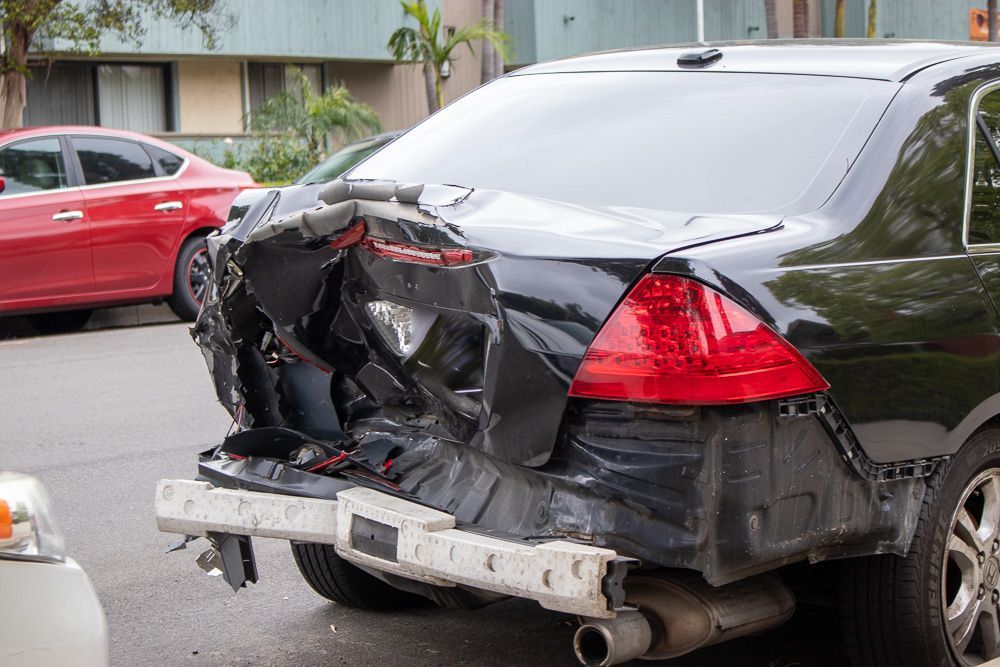
Being injured by an uninsured driver or a hit-and-run driver in Nebraska can feel like you have been left with no options. In reality, Nebraska law and your own auto insurance policy may provide pathways to compensation that many injured drivers do not know they have available. An attorney can identify every available source of recovery and guide you through the process of using it. Read on to learn what options may be available after an uninsured motorist or hit-and-run crash in Omaha. Nebraska's Uninsured Motorist Coverage Requirements Nebraska law under Neb. Rev. Stat. § 44-6408 requires auto insurance policies issued in Nebraska to include uninsured motorist coverage, and this coverage cannot be rejected. Uninsured motorist coverage, commonly called UM coverage, pays compensation to you when a driver who caused your injuries has no liability insurance. It also applies in many hit-and-run situations, though the specific application depends on Neb. Rev. Stat. § 44-6405 and the terms of your individual policy, and should be confirmed with an attorney. Underinsured motorist coverage, called UIM coverage, is a related protection that applies when the at-fault driver does have insurance, but that insurance is insufficient to fully compensate you for your injuries. Nebraska insurers must also include UIM coverage, which cannot be waived, though policyholders may decline limits above the $25,000 per person and $50,000 per accident minimum. If you were seriously injured by a driver who carried only minimum liability limits, your UIM coverage may bridge the gap. How Uninsured Motorist Claims Work in Nebraska When you file an uninsured motorist claim in Nebraska, you are not suing a stranger. You are making a claim against your own insurance policy for coverage you paid for. The claim process involves notifying your insurer of the accident promptly, cooperating with their investigation, and providing documentation of your injuries and losses. Under Neb. Rev. Stat. §§ 44-6412 and 44-6413, settling with the at-fault driver without first giving your insurer notice can eliminate your coverage. Your insurer, despite being your own carrier, has an interest in minimizing what it pays on a UM claim. It may conduct its own investigation, use its own medical reviewers to assess your treatment, and make a settlement offer that may not reflect the full value of your damages. You have the right to negotiate that offer, and if your policy contains an arbitration provision, you may have the right to arbitrate a dispute over the amount. An attorney who handles uninsured motorist claims in Nebraska can advocate for the full value of your claim even though the opposing party is your own insurer. Hit-and-Run Accidents in Nebraska: Special Considerations Hit-and-run accidents present unique challenges because the at-fault driver is unknown and cannot be identified, located, or served with a lawsuit. In the Omaha area, hit-and-run crashes are reported along heavily traveled corridors such as North 72nd Street, Ames Avenue, and South 24th Street, as well as on Interstate 80 and Interstate 680. Whether your UM coverage applies to a hit-and-run is governed by Neb. Rev. Stat. § 44-6405, not policy language alone. Nebraska law covers the claim when the unidentified vehicle made actual physical contact with you or the vehicle you occupied. If your vehicle was forced off the road without physical contact, coverage still applies, but only if the crash was reported to law enforcement as required by law and the facts can be corroborated by an independent, disinterested witness who was not riding in your vehicle. That witness requirement is strict, and an attorney can review your situation and advise on your options. Even when UM coverage applies to a hit-and-run, you will generally need to report the accident to police promptly and cooperate fully with any law enforcement investigation to support the claim. An Omaha Police Department or Nebraska State Patrol report documenting the hit-and-run is typically required by the insurer as part of the claim process. Disputes over UM claim denials may ultimately be resolved through arbitration or Douglas County District Court litigation. Documenting Your Damages in an Uninsured Motorist Claim The documentation required for a UM or UIM claim is the same as for any car accident injury claim, because you are still required to prove the nature and extent of your injuries and losses, even though you are making the claim against your own insurer. Medical records from every treating provider, bills, evidence of lost wages, and documentation of other out-of-pocket expenses all support the claim. Missing the limitations period on the underlying claim can defeat the UM or UIM claim along with it. If you sustained significant injuries, including brai n inju ries , back injuries, or any injury requiring surgery or extended treatment, retaining a car accident attorney in Omaha before dealing with your insurer is advisable. The amount of compensation available under your UM or UIM policy is limited by the policy limits you selected when you purchased coverage. An attorney can also assess whether any other sources of compensation exist, such as a claim under Neb. Rev. Stat. § 53-404 if the driver was an intoxicated minor, or a claim against a property owner if a road hazard contributed to the crash. What to Do Immediately After a Hit-and-Run or Uninsured Driver Crash Call 911 and wait for the police to arrive. Do not chase the hit-and-run driver. Document the scene by photographing your vehicle, the road, and any debris. If any witnesses saw the crash, get their contact information before they leave, since an independent witness may be required for a no-contact hit-and-run claim. Note the time, location, weather conditions, and any details you can recall about the other vehicle. Seek medical attention on the same day if at all possible. Your insurer may later argue that any gap in treatment suggests your injuries were not as serious as you claim or that they were caused by something other than the crash. A same-day or next-day medical record ties your injuries to the date and circumstances of the crash. Notify your own insurer of the accident as required by your policy. Failure to provide timely notice, or settling with another party without following § 44-6412, can create grounds for the insurer to dispute or deny your UM claim. An attorney can advise you on how to provide that notice in a way that protects your claim. FAQ: Uninsured Driver and Hit-and-Run Claims in Nebraska Does Nebraska require uninsured motorist coverage? Yes. Nebraska law requires insurers to include UM coverage in auto policies unless the insured expressly waives it in writing under Neb. Rev. Stat. § 44-6408. Can I file a UM claim if the other driver was never found? In many cases, yes, if your policy's hit-and-run provisions apply. Whether coverage exists for your specific situation depends on your policy language, including any physical contact requirement. Coverage varies by policy. What if my UM coverage limits are not enough to cover all my losses? You are generally limited to your policy's UM limits. An attorney can look for other sources of potential recovery, such as UIM coverage under additional policies or claims against other responsible parties. Does a UM claim affect my own insurance rates? Under Nebraska law, an insurer generally may not non-renew a policy solely because of a UM claim. Whether your rates change depends on your insurer and policy terms. An attorney can advise on what to expect. What if I have multiple auto insurance policies? Multiple policies may be available for stacking in some circumstances. Nebraska rules on stacking are policy-specific. An attorney can review all applicable policies and advise on the available coverage. What is the deadline to make a UM claim in Nebraska? Your policy sets its own notice deadlines, and missing them can jeopardize your claim. Beyond that, UM/UIM claims are generally subject to Nebraska's five-year contract statute of limitations (§ 25-205) rather than the four-year tort deadline (§ 25-207), but the two are connected under § 44-6413, so contact an attorney promptly rather than relying on any single deadline. Can I sue an uninsured driver directly? Yes. Filing a UM claim with your own insurer does not prevent you from also pursuing the at-fault uninsured driver directly. Whether that driver has assets to satisfy a judgment is a practical consideration your attorney can assess. Speak With a Nebraska Personal Injury Attorney If you were hit by an uninsured driver or were the victim of a hit-and-run in Omaha, Bellevue, Papillion, or anywhere in the Nebraska metro area, contact Harris & Associates, P.C., L.L.O. at (402) 397-1202 for a free consultation with a car accident attorney in Omaha . Last reviewed: August 2026 This post was reviewed by James E. Harris, licensed in Nebraska since 1986. This blog post is for informational purposes only and does not constitute legal advice. Reading this post does not create an attorney-client relationship. If you have been injured, contact a licensed Nebraska attorney to discuss your specific situation.
A spinal cord injury can permanently change every aspect of a person’s life, affecting mobility, sensation, independence, and livelihood. When that injury results from another party’s negligence, Nebraska law gives the injured person the right to pursue compensation that reflects the full scope of the impact, both now and for years to come. An attorney can help pursue that compensation and navigate the legal complexities these cases often involve. This support can help injured people and their families make informed decisions about their next steps. Understanding Spinal Cord Injuries and Their Legal Significance A spinal cord injury occurs when trauma to the spine disrupts the neural pathways that carry signals between the brain and the body below the injury site. Depending on the location and severity of the injury, the effects range from partial loss of sensation or motor function to complete paralysis. SCI classifications distinguish between complete and incomplete injuries. A complete injury generally involves no preserved sensory or motor function in the lowest sacral segments, while an incomplete injury involves some preserved function, including sacral sparing. The Nebraska Medical Center and UNMC in Omaha provide specialized spinal cord injury rehabilitation services for patients from across Nebraska and the region. Common causes of traumatic spinal cord injuries include vehicle crashes, serious falls, workplace accidents , sports injuries, and acts of violence. The medical documentation generated during acute care and rehabilitation at UNMC or similar facilities becomes central evidence in an SCI injury claim. Common Causes of Spinal Cord Injuries in Nebraska Vehicle crashes are the leading cause of traumatic spinal cord injuries nationally. High-speed crashes, rollover accidents, and collisions with commercial trucks on Nebraska's interstate corridors can produce the sudden, violent forces needed to fracture or dislocate vertebrae and damage the spinal cord. Falls from heights are the second most common cause and are particularly relevant for construction workers at Omaha area job sites and agricultural workers in the surrounding counties. Workplace accidents can cause serious spinal cord injuries, particularly in construction, agriculture, and industrial settings. An injured employee may qualify for workers’ compensation benefits, which generally serve as the exclusive remedy against the employer for a covered workplace injury. A separate claim may also be available against a negligent third party, such as a contractor, property owner, or equipment manufacturer. The Full Scope of Damages in a Nebraska SCI Claim The financial impact of a spinal cord injury extends far beyond initial hospitalization. An Omaha spinal cord injury attorney may work with medical specialists, life care planners, vocational specialists, and economists when appropriate. These professionals can help document future care needs, reduced earning capacity, and other long-term effects of the injury. Medical damages in a serious SCI case typically include acute hospitalization, spinal surgery, intensive care, inpatient rehabilitation, outpatient physical and occupational therapy, specialized medical equipment such as wheelchairs and assistive devices, home health care, and the cost of future medical care over the injured person's lifetime. Life care plans prepared by qualified professionals project these costs across the injured person's expected lifespan and serve as a foundation for the damages calculation. Lost earnings and earning capacity can represent a substantial portion of a serious SCI claim, particularly for younger workers who would have had decades of remaining working years. A vocational expert can document the injured person's pre-injury earning history and project what they would have earned, and an economist can calculate the present value of those future losses. Establishing Liability in an SCI Case A negligence claim generally requires proof of duty, breach, causation, and damages. In vehicle crash cases, reconstruction specialists may help explain how the collision occurred and identify actions that contributed to it. In construction cases, safety records, site plans, and contractor agreements may provide important evidence. Product liability claims follow different legal standards and may require proof that defective equipment caused or contributed to the injury. Nebraska’s comparative negligence standard under Neb. Rev. Stat. § 25-21,185.09 may affect an SCI claim. An injured person’s damages may be reduced according to their share of fault, and recovery may be barred if their negligence equals or exceeds the combined negligence of the parties they are suing. A careful investigation can help address disputes over fault. The Importance of Early Legal Action in SCI Cases The statute of limitations for most Nebraska personal injury claims is four years under Neb. Rev. Stat. § 25-207. However, the urgency in SCI cases is not primarily about the legal deadline. It is about evidence. Crash sites are cleaned. Construction sites are modified or demolished. Medical records are harder to obtain as time passes. Equipment involved in an accident may be repaired or replaced. An Omaha spinal cord injury attorney can begin preserving evidence immediately, retain the right expert witnesses, and start building the life care plan and vocational assessment needed to support a complete damages presentation. These preparations take months, and cases that are investigated early are consistently better prepared than those assembled under time pressure. FAQ: Spinal Cord Injury Claims in Omaha and Nebraska Can I file both a workers' compensation claim and a lawsuit after an SCI at work? Yes, in many cases. If a third party, such as a contractor or equipment manufacturer, contributed to your injury, you may file a workers' compensation claim against your employer and a civil lawsuit against that third party simultaneously. What if I already received some workers' comp benefits - can I still sue a third party? Yes. Workers' compensation benefits do not bar a third-party civil claim. Your comp insurer may assert a subrogation lien on any civil recovery. An attorney can advise you on how that works. How are future medical costs calculated in an SCI case? A life care planner, typically a registered nurse or rehabilitation specialist with specific training, prepares a detailed projection of the medical goods and services you will need over your lifetime and their current and projected costs. An economist then converts those future costs to present value. What if my SCI was incomplete - does that reduce my claim value? An incomplete SCI can still cause substantial disability and loss. The claim value depends on the actual impact on your life, function, and earning capacity, not on a classification label. How long does it take to resolve an SCI case in Nebraska? SCI cases are among the most complex personal injury cases and may take two to three years or more to fully resolve, particularly when the case proceeds to trial in Douglas County District Court. An attorney can provide a more specific projection based on your circumstances. What if the responsible party is underinsured? Your own underinsured motorist coverage may be available in vehicle accident cases. In construction and product liability cases, other responsible parties or insurance policies may be available. An attorney can identify all sources of potential recovery. Do I have to go to court? Many SCI cases resolve through negotiated settlements. However, insurers for catastrophic injury claims sometimes require litigation to produce a fair resolution. Your attorney can advise on the likely path in your case. Speak With a Nebraska Personal Injury Attorney If you or a family member suffered a spinal cord injury in Omaha, Sarpy County, or anywhere in Nebraska, contact Harris & Associates, P.C., L.L.O. at (402) 397-1202 for a free consultation with an Omaha personal injury attorney who can evaluate your options. Last reviewed: July 2026 This post was reviewed by James E. Harris, licensed in Nebraska since 1986. This blog post is for informational purposes only and does not constitute legal advice. Reading this post does not create an attorney-client relationship. If you have been injured, contact a licensed Nebraska attorney to discuss your specific situation.
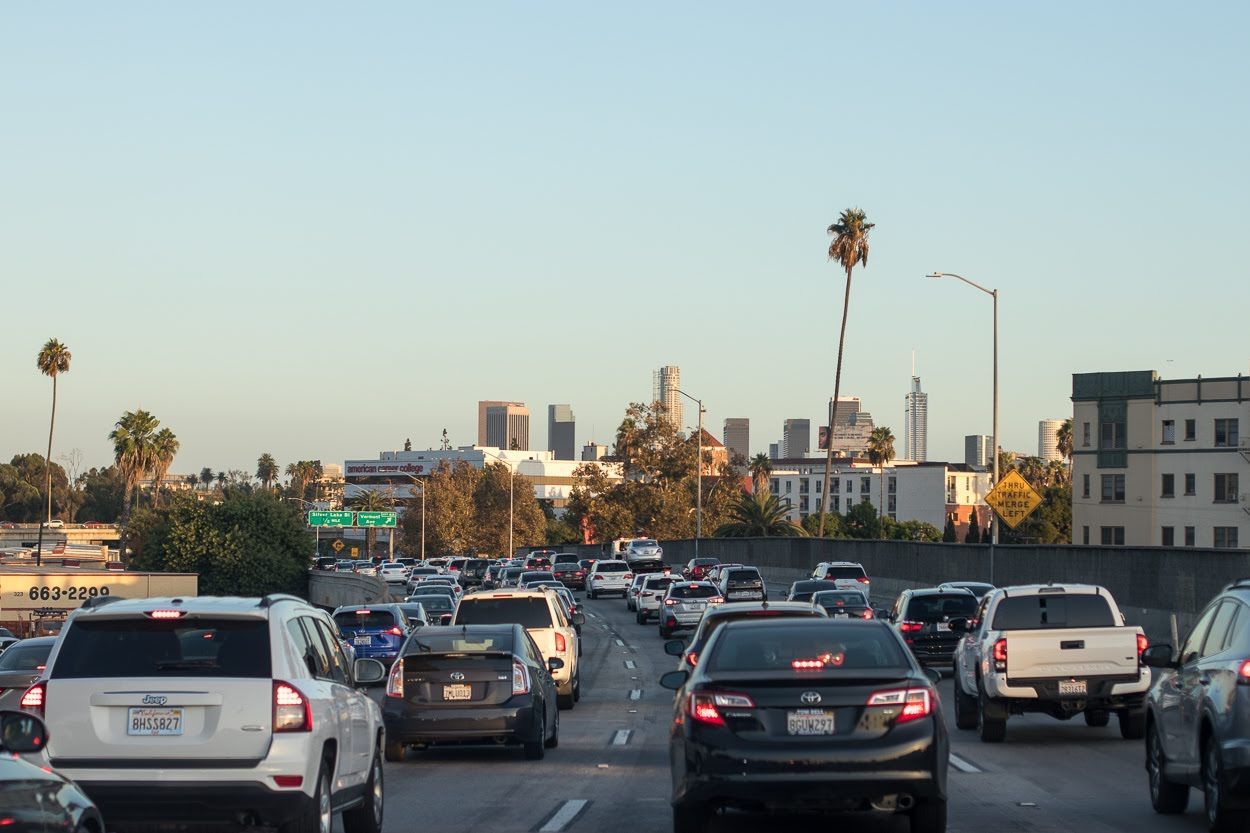
If you drive in Omaha, you probably know this unnerving feeling: sitting at a light, wondering whether the car coming the other way is actually going to stop. That everyday unease turned into heartbreak this July when a crash at 114th Street and West Center Road killed two children who were brothers and left two adults with life-threatening injuries. Investigators say a driver was speeding and impaired when his vehicle struck a Subaru turning off West Center Road, tearing the smaller car in half. In the aftermath, attention turned to the intersection itself and what could make it safer. It is a painfully familiar pattern. A tragedy happens, a community grieves, and everyone asks the same question: could a change to the traffic signal have prevented this? It is a fair question, and the actual answer is more complicated than most people expect. So let's talk about what traffic signals actually do, what they don't, and how it all plays out across Omaha and Nebraska. What Happened at 114th and West Center Road The July crash brought several dangerous factors together at once: high speed, alcohol, and a turning vehicle crossing the path of oncoming traffic. Court records indicate the striking vehicle was traveling far above the speed limit moments before impact, and prosecutors have described a combination of alcohol and another substance as contributing to the wreck. It was not the first serious collision on this stretch of West Center Road, which has seen other fatal crashes, including a deadly multi-vehicle wreck near 81st Street earlier in the summer when a driver crossed the median. When one happens at a signalized intersection, the public reasonably wonders whether signal timing or design played a role, and answering that means understanding what a signal is actually built to do. Do Traffic Signals Actually Reduce Crashes? Here is something most drivers assume that simply isn't true. According to the Nebraska Department of Transportation, installing a traffic signal does not automatically reduce crashes. NDOT is direct about it: the widespread belief that a new signal makes an intersection safer overall is, in their words, false. A signal can reduce certain crash types, particularly right-angle or "T-bone" collisions, but it typically increases others, especially rear-end crashes, as drivers stop short when a light changes. That trade-off is why engineers don't just drop a signal in wherever the public asks. State and federal law require a traffic engineering study first, weighing traffic volume, turning movements, pedestrian counts, approach speeds, and crash history against the nine formal "warrants" in the federal Manual on Uniform Traffic Control Devices. Even when an intersection meets a warrant, NDOT notes a signal still may not be the right fix, and it isn't cheap: a standard new permanent signal in Nebraska has ranged from roughly $150,000 to $300,000. Most sobering of all, signals are no cure-all for fatalities. NDOT reviewed five years of state data and found that one out of every fifteen traffic deaths in Nebraska occurred at a signalized intersection. A green light is not a guarantee of safety. Why Intersections Are Where So Many Serious Crashes Happen Intersections concentrate risk because they are where paths cross and conflict points multiply. The Federal Highway Administration estimates that roughly a quarter of all traffic fatalities and about half of all traffic injuries in the United States are tied to intersections . Signalized intersections carry their own distinct danger: they account for about one-third of all intersection fatalities, and a large share of those involve red-light running, with FHWA figures showing those deaths climbing in recent years. Omaha's own data reflects this. Through its Vision Zero planning, the city has documented that more than 62 percent of fatal and serious injury crashes happen at intersections and that half of all fatal and serious injury crashes occur on just six percent of the city's roads. Those numbers are why corridors like West Center Road, Dodge Street, and Ames Avenue keep drawing engineers' attention. The Left Turn: A Small Maneuver With Outsized Danger If you want to understand why intersection crashes are so often severe, look at the left turn. The West Center Road tragedy involved a vehicle turning across the path of oncoming traffic, a scenario known formally as a left-turn-across-path/opposite-direction crash, and one of the most dangerous movements a driver makes. Insurance and safety data bear this out. Nationwide reports that left-turn collisions are, after rear-end crashes, among the most frequent high-severity auto claims it receives, precisely because they tend to become near head-on or T-bone impacts, often at speed. Most happen at the end of a green light, when a driver turns assuming oncoming traffic will stop. Drivers also routinely misjudge the speed of oncoming vehicles, and larger vehicles like trucks can create a "speed-size illusion" that makes them appear slower than they are. Real-world driving data adds another layer. The Driver Research Institute, analyzing footage and sensor data from a large naturalistic driving study, found that when an oncoming car was already moving and didn't stop first, drivers responded within about a second, but when a car had been stopped and then suddenly turned, average reaction time stretched to 1.6 seconds or more because drivers assumed the stopped vehicle would wait for a safe gap. Vehicle and signal design try to close that gap. A National Highway Traffic Safety Administration analysis of crash data from seven states found that amber (rather than red) rear turn signals were associated with a modest reduction, estimated at roughly 3 to 28 percent, in the odds of being struck while turning, merging, or changing lanes. Meanwhile, Omaha has been deploying flashing yellow arrows and improved sensors as it retimes signal corridors. Those arrows confuse a lot of drivers: a flashing yellow arrow means you may turn left, but oncoming traffic has a green light and the right-of-way, so you must yield and wait for a safe gap, while a steady yellow arrow means the light is about to turn red. The Bigger Nebraska Picture Nebraska’s traffic fatality numbers show the broader risks drivers face across the state. In 2024, the state recorded 251 traffic deaths, its highest total in nearly two decades, a figure worth sitting with alongside what the state's monthly fatality data reveals about where and how these crashes keep happening . Douglas County, home to Omaha, consistently records the state's highest crash totals because of its traffic volume. When a serious crash happens at an Omaha intersection, more than one party may share fault. The impaired or speeding driver is the obvious starting point, but questions about signal timing, sight lines, and known hazards at a documented high-crash corridor can also matter, and those often require early investigation to answer. You can also check the specific scope for wrongful death claims , since it turns on exactly this kind of layered analysis, thus shedding more light to the matter. Frequently Asked Questions About Intersection and Signal Crashes Does a green light mean the other driver was automatically at fault? Not necessarily. Right-of-way is one factor, but fault depends on speed, impairment, whether a driver yielded on a turn, and other circumstances that require investigation. Can a traffic signal problem make the city or state responsible for a crash? Sometimes. If a documented signal or design hazard contributed to a crash, a public entity's responsibility may become relevant, though claims against government entities in Nebraska carry short notice deadlines. Are left-turn crashes usually the turning driver's fault? Not always. If an oncoming driver was speeding or impaired, or a view was obstructed, fault can be shared, which is why the full context of the crash matters. Harris & Associates Can Guide You After a Crash in Omaha Traffic signals are essential tools, but they are not magic. As NDOT itself makes clear, a signal can trade one kind of crash for another and cannot eliminate fatalities on its own, and both federal and local data confirm that intersections remain among the most dangerous places on our roads. Speed, impairment, and misjudged left turns turn those conflict points into tragedies, as families in Omaha have learned far too often this year. If you or someone you love has been hurt, or if you have lost a family member, in a crash at an Omaha intersection, you deserve clear answers about what happened and why. At Harris & Associates, P.C., L.L.O., we've spent more than four decades helping people across Omaha and Nebraska understand their rights after serious car accidents and the losses that follow. If you have questions about your rights and options after a car accident, motorcycle crash, or truck wreck in Omaha, you are welcome to reach out at (402) 397-1202.
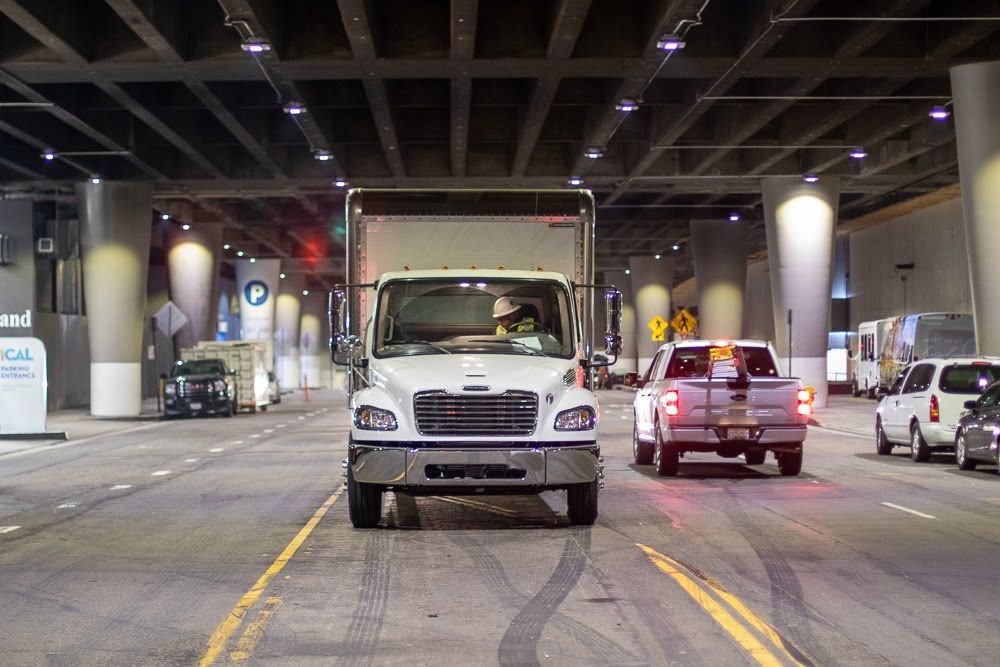
You may think a collision involving a commercial semi-truck is simply a larger version of a car accident case. The actual scenario is quite more complex: Federal regulations, multiple potentially liable parties, specialized evidence sources, and catastrophic injury scales set truck accident claims apart from standard vehicle crashes. An Omaha semi-truck accident attorney knows how those differences shape your case and what it takes to build a claim that holds trucking companies accountable. A legal team serving truck accident victims in Omaha and across Nebraska can walk you through each step. But first, you can review this post to learn the distinctive features that make semi-truck accidents different from regular car crashes. Why Semi-Truck Cases Are Distinct From a Legal Perspective The commercial trucking industry operates under a federal regulatory framework that does not apply to ordinary motorists. The Federal Motor Carrier Safety Administration, commonly known as FMCSA, issues binding regulations at 49 CFR Parts 300 through 399 covering everything from driver qualifications and hours of service to vehicle inspection requirements and cargo securement standards. When a truck driver or carrier violates one of those regulations and a crash results, that violation can be powerful evidence of negligence. Nebraska's interstate highway system makes the state a major commercial freight corridor. The I-80 freight corridor through Omaha, the I-29 Missouri River corridor, and Highway 75 between Omaha and Plattsmouth carry heavy commercial truck traffic daily. Crashes involving semi-trucks on these routes can occur at highway speeds and produce injuries far more severe than comparable passenger vehicle crashes because of the massive weight disparity between an 80,000-pound loaded semi-trailer and a standard passenger car. The Federal Regulations That Govern Commercial Truck Drivers FMCSA hours of service rules under 49 CFR Part 395 limit how many hours a commercial driver may operate a vehicle before taking mandatory rest breaks. A driver who exceeded those hours and caused a crash may have violated federal law. Electronic logging device requirements under 49 CFR Part 395.8 now require most commercial carriers to record driving time electronically, making it harder to falsify logs and easier for attorneys to document hours of service violations. Truck drivers must hold valid commercial driver's licenses with the appropriate endorsements for the cargo they are hauling. Carriers must conduct pre-employment drug and alcohol testing and maintain records of driver qualifications. When a carrier hires a driver with a history of violations or fails to conduct required background checks, that hiring decision itself may constitute negligence under theories of negligent hiring and negligent entrustment. Identifying All Potentially Liable Parties After a Truck Crash One of the most important differences between truck accident cases and standard car accident cases is the number of parties who may share legal responsibility for the crash. In a typical car accident, liability generally rests with the at-fault driver. In a truck crash, the analysis extends much further. The trucking company, sometimes called the motor carrier, may be directly liable for negligent hiring, inadequate driver training, failure to maintain the vehicle, or pressuring drivers to drive beyond legal hours. The shipper who loaded the cargo may be liable if improper loading caused the trailer to shift and the driver to lose control. The manufacturer of the truck or its components may bear liability if a mechanical failure caused the crash. A maintenance contractor who serviced the vehicle may be liable if negligent maintenance is implicated. The Evidence That Makes or Breaks a Truck Crash Case Commercial trucks generate evidence that simply does not exist in passenger vehicle crashes. Electronic logging devices record hours of service compliance and can identify whether the driver had exceeded rest limits before the crash. The truck's engine control module, sometimes called the event data recorder or black box, may capture speed, braking input, and other parameters in the seconds before impact. Dashcam footage, if the truck was equipped with a forward-facing camera, can document road conditions and driver behavior. This evidence can be overwritten, erased, or destroyed quickly. FMCSA regulations require carriers to retain certain records for specified periods, but without a legal hold notice, electronically stored data may be lost. An Omaha semi-truck accident attorney can send a spoliation letter to the trucking company immediately after a crash, creating a documented obligation to preserve this data and setting the stage for sanctions if it is later destroyed. Omaha Wrongful Death and Catastrophic Injury in Truck Crashes Because of their size and speed, semi-truck collisions frequently cause catastrophic injuries including traumatic brain injuries, spinal cord injuries, multiple fractures, amputations, and fatal injuries. When a Nebraska family loses a loved one in a truck crash, they may have a claim under Nebraska's wrongful death statute at Neb. Rev. Stat. § 30-810, which must be filed within two years of the date of death. Cases involving fatalities on the I-29 corridor or U.S. District Court for the District of Nebraska may also implicate federal venue considerations if the trucking company is incorporated out of state. Catastrophic injury cases require careful calculation of future damages including lifetime medical expenses, future lost earning capacity, and long-term care costs. These calculations require expert life care planners, vocational specialists, and economic analysts. An Omaha wrongful death attorney who has experience with Nebraska traffic fatalities understands how to retain and present this expert testimony effectively. FAQ: Semi-Truck Accidents in Nebraska How soon after a truck crash should I contact an attorney? As soon as possible. Evidence including ELD data, dashcam footage, and driver logs can be lost within days. An attorney can send a preservation letter to the trucking company immediately. Can I sue both the truck driver and the trucking company? Yes, in many cases. The trucking company may be directly liable for its own conduct and vicariously liable for the driver's conduct under respondeat superior, which holds employers responsible for employees' actions within the scope of employment. Does federal trucking law apply to my Nebraska case? Yes. FMCSA regulations apply to interstate commercial carriers operating in Nebraska and across state lines. Violations of these federal regulations are relevant to establishing negligence in a Nebraska court. What if the trucking company's insurer contacts me quickly with a settlement offer? Do not accept or sign anything before speaking with an Omaha semi-truck accident attorney. Early settlement offers in truck crash cases are often made before the full extent of injuries and long-term losses are known. How is fault determined in a Nebraska truck crash case? Nebraska courts apply modified comparative negligence. Each party's percentage of fault is assessed, and damages are reduced accordingly. If you are found 50% or more at fault, recovery is barred. What if multiple parties were at fault? Nebraska law allows you to pursue claims against all liable parties. Each defendant may be assigned a percentage of fault, and you can collect from each party proportionate to their assessed share of liability. Are truck accident cases settled or do they go to trial? Both outcomes occur. Many truck accident cases are resolved through negotiated settlements. Others proceed through the U.S. District Court for the District of Nebraska or Douglas County District Court. The path depends on the insurer's positions and the strength of the evidence. Speak With an Omaha Truck Accident Attorney If you or a family member was injured in a semi-truck crash in Omaha along the I-80 corridor, or anywhere in Nebraska, we invite you to contact Harris & Associates, P.C., L.L.O. at (402) 397-1202 for a free consultation with our Omaha semi-truck accident attorney . Last reviewed: July 2026 This post was reviewed by James E. Harris, licensed in Nebraska since 1986. This blog post is for informational purposes only and does not constitute legal advice. Reading this post does not create an attorney-client relationship. If you have been injured, contact a licensed Nebraska attorney to discuss your specific situation.
Nebraska law sets firm deadlines for filing personal injury lawsuits, and missing those deadlines typically means losing your right to compensation forever. A personal injury attorney in Omaha, Nebraska, can help you identify the correct deadline for your specific claim and take the legal steps needed before time runs out. The deadline may vary depending on the facts, the parties involved, and the type of injury claim. What Is a Statute of Limitations? A statute of limitations is a law that sets the maximum period of time within which a person must file a lawsuit after a legal claim arises. In Nebraska, personal injury statutes of limitations are found primarily in Chapter 25 of the Nebraska Revised Statutes. Once the deadline passes, Nebraska courts will almost always dismiss the lawsuit regardless of how strong the underlying claim may be. The purpose of these deadlines is to promote fairness. Evidence is preserved more reliably, witnesses' memories are fresher, and defendants have some certainty about their legal exposure. From the injured person's perspective, the deadlines mean that acting promptly is not just advisable, it is legally required. The General Nebraska Personal Injury Deadline: Four Years Under Neb. Rev. Stat. § 25-207, the general statute of limitations for most personal injury claims in Nebraska is four years from the date the injury occurred. This four-year period covers the large majority of injury cases, including car accidents in the I-80 corridor near Omaha, slip and fall incidents , workplace accidents, and most product liability cases. Four years may sound like ample time, but personal injury cases benefit enormously from early action. Surveillance footage is typically retained for only 24 to 72 hours before it is overwritten. Witnesses move away or forget details. Physical evidence degrades or is cleaned up. The sooner a personal injury attorney in Omaha, Nebraska, can begin preserving evidence and investigating your claim, the stronger that claim is likely to be. Shorter Deadlines That Apply to Specific Nebraska Claims Certain types of personal injury claims carry deadlines shorter than the general four-year period. Knowing which deadline applies to your claim is one of the most critical tasks in any injury case. Claims against government entities. If your injury was caused by the negligence of a Nebraska city, county, or state agency, including the City of Omaha, the Nebraska Department of Transportation, or the Douglas County government, you must first file a written notice of claim with the responsible government entity before you can sue. Under Neb. Rev. Stat. § 13-919, that notice must typically be filed within one year of the incident. Failure to file the notice can bar your claim entirely, regardless of how strong the underlying facts are. Wrongful death claims. Nebraska's wrongful death statute under Neb. Rev. Stat. § 30-810 requires that a lawsuit be filed within two years of the date of the deceased person's death. The Blair, Nebraska area, and Douglas County District Court regularly see wrongful death cases arising from highway accidents. Missing the two-year deadline in a wrongful death case forfeits the surviving family's right to seek justice in court. Workers' compensation claims. The Nebraska workers' compensation statute of limitations is generally two years from the date of injury or the last payment of compensation, whichever is later. When the Clock Starts: Discovery and the Discovery Rule In most Nebraska personal injury cases, the statute of limitations begins running on the date of the accident or injury. However, Nebraska courts recognize a discovery rule for situations where the injury was not immediately apparent and could not have been discovered through reasonable diligence. The discovery rule most commonly arises in cases involving occupational disease, where the connection between workplace exposure and illness may take years to diagnose. In those cases, the statute may not begin running until the injured person knew or reasonably should have known of both the injury and its likely cause. The application of the discovery rule is fact-specific, and whether it applies to your case is a legal question that requires an attorney's analysis. Evidence Preservation Along the I-80 Corridor and Beyond If your injury occurred on Nebraska's interstate highway system, including the I-80 corridor through Omaha, or on state highways near Blair or Papillion, evidence preservation is urgent. NDOT may retain traffic camera footage for only a limited period. Commercial truck electronic logging device data and black box data from commercial vehicles have preservation windows that begin running immediately after a crash. Your attorney can send preservation letters to the trucking company, the property owner, and any government entities involved in the claim immediately after you retain counsel. These letters create a documented legal obligation to preserve relevant evidence and can support sanctions if evidence is later destroyed. How Comparative Negligence Affects Your Deadline Analysis Nebraska follows a modified comparative negligence standard under Neb. Rev. Stat. § 25-21,185.09. If you are found to have contributed to your own injury, your compensation is reduced by your percentage of fault. If your fault reaches 50% or more, Nebraska law bars any recovery. The statute of limitations and comparative negligence interact practically: the longer you wait to hire an attorney, the more time the opposing party has to build a narrative that assigns fault to you. Early investigation protects not only your ability to file on time but also your ability to establish the facts in a way that minimizes the fault attributed to you. FAQ: Nebraska Personal Injury Deadlines What happens if I miss the statute of limitations in Nebraska? In almost all cases, the court will dismiss your lawsuit, and you lose your right to compensation regardless of the strength of your claim. There are very limited exceptions for minors and incapacitated persons. Does the four-year deadline apply to car accident cases in Nebraska? Yes, in most circumstances. Car accident claims in Nebraska fall under the four-year general personal injury statute of limitations at Neb. Rev. Stat. § 25-207. What if I were a minor when I was injured in Nebraska? Nebraska tolls the statute of limitations for minors under Neb. Rev. Stat. § 25-213 until age 21, after which the four-year period begins, so a young child's deadline can fall well beyond their 21st birthday. Speak with an attorney to pin down the exact date for your case. Can the deadline be extended if I did not know I was injured? Nebraska's discovery rule may delay the start of the limitations period in cases where the injury could not reasonably have been discovered at the time it occurred. This is a legal question that depends on the specific facts. Does the deadline change if the accident was on a government road? Yes, the deadline depends on the entity. Political subdivisions like the City of Omaha require a written notice of claim within one year under Neb. Rev. Stat. § 13-919. State agencies like NDOT fall under the separate State Tort Claims Act, which requires filing with the State Claims Board within two years. Confirm which one applies before relying on either deadline. What if I am still treating my injuries - should I wait until I recover? No. Treatment and legal proceedings run on separate tracks. You should consult with a personal injury attorney in Omaha, Nebraska , as soon as possible after your injury, regardless of where you are in your medical recovery. How can I find out the exact deadline for my claim? The safest way is to consult a licensed Nebraska personal injury attorney. Deadlines vary by case type, and an attorney can identify which statute applies to your specific circumstances. Speak With a Nebraska Personal Injury Attorney If you or a loved one suffered injuries in an accident in the Omaha area, Bellevue, Blair, Papillion, or anywhere in Nebraska, contact Harris & Associates, P.C., L.L.O. at (402) 397-1202 today for a free consultation. Do not let a deadline pass before you understand your rights. Last reviewed: July 2026 This post was reviewed by James E. Harris, licensed in Nebraska since 1986. This blog post is for informational purposes only and does not constitute legal advice. Reading this post does not create an attorney-client relationship. If you have been injured, contact a licensed Nebraska attorney to discuss your specific situation.

An industrial injury is any physical harm a worker suffers as a direct result of employment in an industrial or heavy-labor environment. Nebraska workers’ compensation law generally covers these injuries regardless of who was at fault. Read on to learn which injuries may qualify and what benefits may be available. Defining Industrial Injuries Under Nebraska Law Nebraska workers’ compensation law under Neb. Rev. Stat. §§ 48-101 et seq. broadly defines compensable injuries as those arising out of and in the course of employment. That phrase has been interpreted by Nebraska courts over decades, and it covers a wide range of industrial accidents beyond the obvious crush or fall. An injury arises “out of” employment when there is a causal link between the work activity and the harm. An injury occurs “in the course of” employment when it happens during work hours, at the work location, and while the employee is doing something reasonably related to their job. Together, these two elements define the coverage territory, and courts in Douglas and Sarpy County have resolved countless disputes about where the edges of that territory fall. Types of Industrial Injuries That Qualify for Workers' Compensation Industrial injuries range from acute traumatic accidents to occupational diseases that develop gradually over years of exposure. The Nebraska Workers’ Compensation Court handles claims arising from both categories. Acute traumatic injuries are the most straightforward. A worker at a Union Pacific rail facility in Omaha who is struck by equipment, a ConAgra food processing worker who loses a finger in machinery, or an OPPD utility worker who falls from a structure all suffer injuries that arise unmistakably from their industrial work. These cases turn on the extent of the injury and the benefits owed, not on whether the injury happened at work. Occupational diseases and repetitive stress injuries are harder to recognize as compensable industrial injuries, but Nebraska law covers them as well. Hearing loss from sustained exposure to industrial noise, back conditions caused by repeated heavy lifting, carpal tunnel syndrome from repetitive motion tasks, and respiratory disease from chemical exposure at agricultural processing facilities in Douglas County can all qualify as industrial injuries under the Nebraska Workers’ Compensation Act. Ordinary diseases of life that the general public is equally exposed to fall outside that coverage. How Nebraska Workers' Compensation Benefits Are Structured Nebraska workers’ compensation provides four main categories of benefits for injured workers. Medical benefits cover all reasonable and necessary medical treatment, including hospitalization, surgery, physical therapy, and prescription medication, with no out-of-pocket costs to the worker. Temporary disability benefits replace approximately two-thirds of the worker’s average weekly wage while they recover and cannot work, subject to a seven-day waiting period that is paid retroactively if the disability lasts more than six weeks. If the injury results in permanent impairment, permanent disability benefits are calculated based on either the body part affected under Nebraska’s scheduled loss system or based on the overall reduction in the worker’s earning capacity. A worker who can no longer return to their prior industrial job may also be entitled to vocational rehabilitation benefits to train for alternative employment. Nebraska workers’ compensation is the exclusive remedy against the employer. That means you generally cannot sue your employer in civil court for an industrial injury. However, if a third party, such as an equipment manufacturer, a subcontractor, or a chemical supplier, contributed to the conditions that caused your injury, a separate civil claim against that party may be available alongside the workers’ compensation case. The Claim Filing Process in Nebraska Report your injury to your supervisor as soon as possible. Neb. Rev. Stat. § 48-133 requires that employers receive notice of a workplace injury, and Nebraska courts have enforced that requirement. Failure to report within a reasonable time can be used to challenge or deny your claim, even if the injury itself is clearly work-related. Nebraska gives you significant say over your medical care. Under Neb. Rev. Stat. § 48-120 and Rule 50, your employer should give you a Form 50, the Choice of Doctor form, which lets you select a physician who treated you or an immediate family member before the injury. If no Form 50 is provided, you may generally choose any physician qualified to treat the injury, and an industrial injuries attorney in Nebraska can help you make that choice. Common Reasons Industrial Injury Claims Are Disputed Insurers dispute industrial injury claims for several reasons. They may argue that the injury did not arise out of employment, that the worker had a pre-existing condition that accounts for the disability, that the medical treatment claimed is not reasonable or necessary, or that the worker’s reported restrictions are not supported by medical evidence. They may also argue that the injury is not an occupational disease but rather an ordinary medical condition unrelated to work. Workers at Sarpy County farming operations and agricultural processing facilities in Douglas County often face disputes over whether a musculoskeletal condition was caused or materially aggravated by their industrial work or was simply a product of age or prior activities outside of work. These cases require testimony from qualified medical professionals and, often, an attorney who can present the legal framework for aggravation claims under Nebraska law. When to Contact an Industrial Injuries Attorney in Nebraska Contact an Omaha workers' compensation attorney promptly after any industrial injury for several reasons. First, there are deadlines. Under Neb. Rev. Stat. § 48-137, a claim is barred unless a petition is filed within two years of the accident or within two years of the last payment of compensation. Missing that deadline can bar recovery entirely. Second, insurers may deny valid claims or make settlement offers that significantly undervalue long-term disability. Third, if a third party contributed to your injury, that parallel claim must be investigated and filed within the four-year civil statute of limitations under Neb. Rev. Stat. § 25-207. An attorney can manage your workers’ compensation case, coordinate any third-party claim, deal with the insurer on your behalf, and make sure no deadline passes unnoticed while you focus on recovering from your injury. FAQ: Industrial Injuries and Workers' Compensation in Nebraska Do all Nebraska employers have to carry workers' compensation? Most do. Nebraska law requires workers' compensation coverage for employers with one or more employees, with limited exceptions for certain agricultural employers and domestic workers. Contact an attorney if you are unsure whether your employer is covered. Can I be fired for filing a workers' comp claim in Nebraska? Nebraska courts recognize a claim for retaliation against employees fired for filing a good-faith workers’ compensation claim. If you believe you were fired or disciplined for filing, speak with an attorney about your options. What if my industrial injury was partly my own fault? Workers' compensation in Nebraska does not require fault. You may receive benefits even if the accident was partly your responsibility, with limited exceptions for willful misconduct. Does workers' comp cover mental health conditions caused by industrial work? In certain circumstances, yes. For most workers, a mental condition is covered when it follows from a physical work injury. Mental injury alone is limited to first responders and certain public employees. What is the Nebraska Workers' Compensation Court? It is a specialized trial court with exclusive jurisdiction over disputed workers’ compensation claims. Its offices are in Lincoln, but judges hear cases in courthouses across Nebraska, and hearings are conducted before a workers’ compensation judge rather than a jury. Can I choose my own doctor for an industrial injury in Nebraska? You typically have the first right to choose your treating physician. If a dispute arises, either side may request an independent medical exam. An attorney can advise you on your rights in this process. How long do workers' comp payments last in Nebraska? Temporary disability payments continue while you cannot work up to a maximum period set by statute. Permanent disability benefits may continue longer depending on the nature of the impairment. An attorney can provide specifics for your situation. Speak With a Nebraska Personal Injury Attorney If you suffered an industrial injury in Omaha, the surrounding metro area, Sarpy County, or anywhere in Nebraska, you do not have to face the claims process alone. Contact Harris & Associates, P.C., L.L.O. at (402) 397-1202 for a free consultation with an Omaha personal injury lawyer . Last reviewed: August 2026 This post was reviewed by James E. Harris, licensed in Nebraska since 1986. This blog post is for informational purposes only and does not constitute legal advice. Reading this post does not create an attorney-client relationship. If you have been injured, contact a licensed Nebraska attorney to discuss your specific situation.
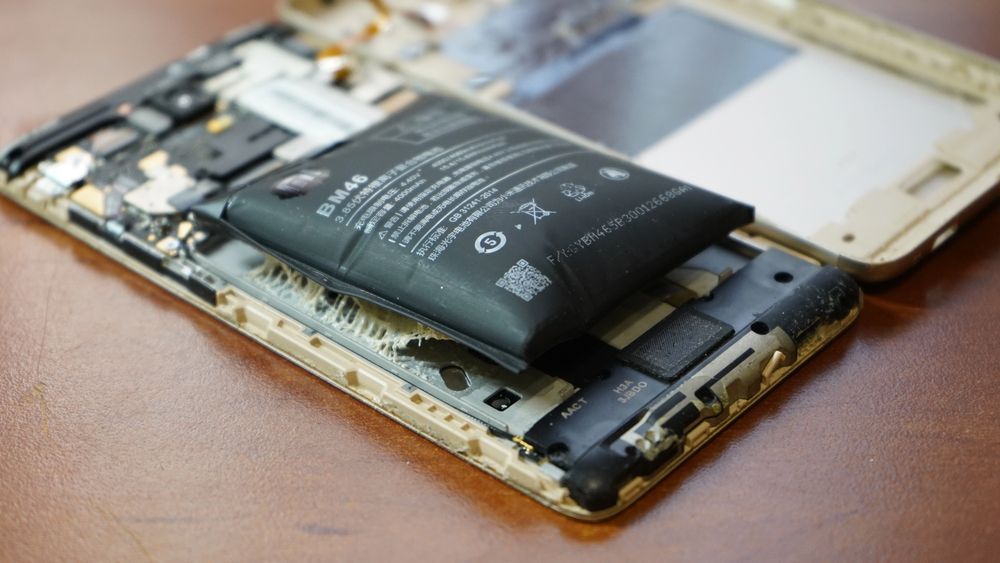
When a product injures someone not because of how it was used, but because something was wrong with the product itself, Nebraska law holds manufacturers, distributors, and sellers accountable through product liability law. An Omaha product liability lawyer can evaluate your claim, identify the responsible parties, and help you pursue compensation for what the defective product cost you. Harris & Associates, P.C., L.L.O. represents injury victims in Omaha and throughout Nebraska. The Three Types of Product Defects Under Nebraska Law Nebraska product liability law recognizes three distinct categories of product defect, each arising at a different point in the product's lifecycle and requiring different evidence to establish. A manufacturing defect occurs when a specific unit of a product departs from its intended design during the production process. The design may be perfectly safe, but an error in manufacturing caused this particular product to be dangerous. Examples in the Nebraska context include a vehicle component that was not properly welded at the factory, a piece of agricultural machinery with a fastener that was not correctly installed, or a consumer product that was assembled with a faulty part. A design defect exists when the entire product line is inherently unsafe, even when manufactured exactly as intended. The danger lies in the fundamental design choice. Nebraska courts assess design defects by asking whether a reasonable alternative design existed that would have reduced the risk of harm without substantially impairing the product's utility or making it prohibitively expensive to produce. A warning defect, sometimes called a failure-to-warn claim, arises when a product carries risks that the ordinary consumer would not know about, and the manufacturer failed to provide adequate instructions or warnings. Products sold through Omaha's distribution networks and the Nebraska agricultural machinery market regularly give rise to warning defect claims when complex equipment is used without adequate safety instructions. Who Can Be Held Liable in a Nebraska Product Defect Case The chain of distribution for a defective product can be long, and Nebraska law allows injured consumers to pursue claims against multiple parties within that chain. The manufacturer of the finished product is the most obvious defendant, but component part manufacturers, distributors, wholesalers, and retail sellers may all bear liability depending on the facts and their role in placing the defective product in the stream of commerce. This matters practically in Nebraska because many products are manufactured outside the state and sold through Omaha-area retailers or agricultural equipment dealers. Under Nebraska law, out-of-state manufacturers whose products are sold and used in Nebraska may be subject to jurisdiction in Nebraska courts. An Omaha product liability lawyer can identify every party in the distribution chain and assess which ones bear legal responsibility. Strict Liability vs. Negligence in Nebraska Product Cases Nebraska courts recognize product liability claims under both strict liability and negligence theories. Under a strict liability approach in manufacturing defect cases, the injured person may establish liability by showing that the product deviated from its intended design and that deviation caused the injury, without necessarily proving that the manufacturer was careless in any particular way. A negligence approach, which is more commonly applicable to design defect and failure-to-warn claims, requires showing that the manufacturer failed to exercise reasonable care in designing the product or in providing adequate warnings. Strict liability is a powerful tool for injured consumers because it shifts focus from the manufacturer's conduct to the condition of the product itself. An attorney familiar with Nebraska product liability law can advise which theory, or combination of theories, applies to your case. The Role of Nebraska's Comparative Negligence in Product Liability Nebraska applies its modified comparative negligence standard to product liability claims under Neb. Rev. Stat. § 25-21,185.09. If the injured person's own actions contributed to the injury, their compensation is reduced in proportion to their fault. If their fault reaches 50% or more, recovery is barred. Product manufacturers routinely argue that the injured person misused the product, ignored warnings, or used it for a purpose it was not designed for. These arguments are designed to assign fault percentages to the injured consumer. The strength of the product's written warnings, the foreseeability of the use, and the specific conduct of the injured person all affect how these fault arguments play out in a Nebraska court, including the Douglas County District Court for Omaha-area cases. Gathering Evidence in a Product Liability Case The product itself is the most important piece of evidence. If you were injured by a defective product, preserve it exactly as it is. Do not repair it, alter it, or dispose of it. Photographs of the product and the injury scene should be taken immediately. Any packaging, manuals, warranty cards, or marketing materials that came with the product should also be retained. Your attorney can arrange for an independent engineering specialist to inspect and analyze the product for defects. In cases involving agricultural machinery or vehicle components used in Nebraska's I-80 vehicle corridor, experts may examine whether the product met applicable industry safety standards or whether prior similar incidents had been reported to the manufacturer. FAQ: Product Liability Claims in Nebraska What if I no longer have the defective product? The product itself is important evidence, so its absence can complicate the case. However, depending on the defect type, claims can sometimes still be pursued using purchase records, product documentation, and expert analysis of similar products. Can I sue a retailer for selling a defective product? Yes, in many cases. Nebraska law allows claims against retailers and distributors who sold a defective product, even if they were not the manufacturer. How long do I have to file a product liability claim in Nebraska? Generally, four years from the date of injury under Neb. Rev. Stat. § 25-207. Contact an attorney promptly to avoid missing this deadline. What if the manufacturer is located in another country? International product liability cases are more complex but not impossible. An Omaha product liability lawyer can advise on jurisdiction and enforcement considerations for foreign manufacturers. What damages can I recover in a product liability case? You may be able to recover medical expenses, lost wages, loss of earning capacity, pain and suffering, and other damages, depending on the specific facts and the severity of your injuries. Do I have to prove the manufacturer knew about the defect? Not necessarily. Under a strict liability theory for manufacturing defects, knowledge of the defect is generally not required. Under a design defect or failure-to-warn theory, prior knowledge may be relevant but is not always required. Can product liability claims involve class actions? Yes. When a defective product injures many people, class action litigation may be appropriate. An attorney can advise whether your case is part of a larger pattern that merits that approach. Speak With a Nebraska Personal Injury Attorney If you were injured by a defective product in Omaha, Nebraska, or the surrounding area, contact Harris & Associates, P.C., L.L.O. for a free consultation to discuss your product liability options. L ast reviewed: June 2026 This post was reviewed by James E. Harris, licensed in Nebraska since 1986. This blog post is for informational purposes only and does not constitute legal advice. Reading this post does not create an attorney-client relationship. If you have been injured, contact a licensed Nebraska attorney to discuss your specific situation.

When a piece of workplace equipment fails and a Nebraska worker is hurt, two separate legal pathways may be available: a workers' compensation claim against the employer and a third-party product liability claim against the equipment manufacturer. Harris & Associates, P.C., L.L.O. helps injured Nebraska workers pursue every avenue of compensation available under the law. What Counts as Defective or Dangerous Equipment? Defective equipment is any tool, machine, or device used in the course of employment that causes injury because of a flaw in its design, manufacturing, or the warnings provided with it. The flaw does not have to make the equipment completely useless. A piece of machinery that works for its intended purpose most of the time can still be legally defective if it fails under foreseeable conditions and injures a worker as a result. Common categories of defective workplace equipment include machines with unguarded moving parts, forklifts with faulty hydraulics, power tools with defective shutoff switches, scaffolding components that fail under rated loads, and industrial equipment with instructions that fail to warn about known hazards. In Nebraska's South Omaha meatpacking corridor and along the I-80 construction corridor, workers regularly operate heavy machinery where a single equipment failure can result in catastrophic injury. How Nebraska Workers' Compensation Covers Equipment Injuries Nebraska workers' compensation law under Neb. Rev. Stat. §§ 48-101 et seq. requires most employers to carry coverage for work-related injuries regardless of who was at fault. If a machine malfunctions and you are hurt on the job, your employer's workers' compensation insurer is typically responsible for your medical expenses and a portion of your lost wages, even if the equipment manufacturer bears the ultimate responsibility for the defect. Workers' compensation benefits in Nebraska include payment of all reasonable medical care, temporary disability payments while you cannot work, permanent disability benefits if the injury causes lasting impairment, and vocational rehabilitation if you cannot return to your prior job. You do not have to prove your employer was negligent to receive these benefits. Workers' compensation is the exclusive remedy against your employer, meaning you cannot separately sue your employer for the injury. However, it does not bar claims against third parties such as the equipment manufacturer or a maintenance contractor who improperly serviced the machine. When a Third-Party Claim Against the Manufacturer May Apply If the equipment that injured you was defective when it left the manufacturer's facility, Nebraska law allows you to pursue a separate product liability claim against that manufacturer. This is sometimes called a third-party claim because it runs alongside your workers' compensation case rather than replacing it. A product liability claim allows you to recover damages that workers' compensation does not cover, including pain and suffering, full lost wages (rather than the two-thirds rate under workers' comp), and compensation for permanent disfigurement. Nebraska courts apply a strict liability standard in product liability cases involving manufacturing defects, meaning you may not need to prove the manufacturer was careless, only that the product was defective and that the defect caused your injury. Steps to Take After a Workplace Equipment Injury in Nebraska Report the injury to your supervisor or employer immediately. Nebraska workers' compensation law requires notice of a workplace injury within a reasonable time. Delay in reporting can complicate your claim. Seek medical attention and tell your treating physician that the injury happened at work and describe exactly how the equipment failed. Preserve as much information about the equipment as possible. Do not allow the machine to be repaired, altered, or removed without first documenting its condition. Your attorney can arrange for the equipment to be inspected by a qualified engineer who can identify the design or manufacturing defect. In cases involving Omaha riverfront development sites or large construction projects, equipment involved in an injury is sometimes quickly removed. The faster you act, the more evidence can be preserved. Identifying Who Is Responsible for Your Injury More than one party may share responsibility for a defective equipment injury. The equipment manufacturer may have produced a flawed design. A maintenance contractor may have serviced the machine improperly. A leasing company may have rented a machine knowing it had a defect. Your employer, while shielded from a tort lawsuit, may have failed to report a known defect to OSHA. Nebraska courts will assess the product's design relative to industry safety standards, the adequacy of operator warnings and manuals, and whether a reasonable alternative design existed that would have prevented the injury. OSHA violation records, maintenance logs, prior incident reports, and the equipment's service history are all relevant to establishing liability. Working With a Defective Equipment Attorney in Nebraska A defective or dangerous equipment attorney can simultaneously pursue your workers' compensation claim, investigate the equipment failure, identify all potentially liable parties, and file a third-party product liability claim within Nebraska's four-year statute of limitations under Neb. Rev. Stat. § 25-207. These two tracks run in parallel, and settling one does not automatically end the other. An attorney can also ensure that your workers' compensation insurer receives proper reimbursement from any third-party recovery, a process called subrogation, so that your net recovery is correctly calculated. Without legal representation, workers sometimes settle a third-party claim without understanding that the compensation insurer may assert a lien against the proceeds. FAQ: Defective Equipment Injuries in Nebraska Can I sue the equipment manufacturer if I was hurt at work? Yes, in many cases. Nebraska allows injured workers to file a product liability claim against a manufacturer separate from a workers' compensation claim if the equipment was defective. What if my employer says the equipment was fine? Your employer's characterization is not the final word. A qualified engineering expert can inspect the equipment and provide an independent opinion about whether a defect existed. Do I have to prove the manufacturer was careless? In manufacturing defect cases under Nebraska law, you may not need to prove carelessness. Strict liability means showing the product deviated from its intended design and that defect caused the injury may be sufficient. How long do I have to file a product liability claim in Nebraska? Generally four years from the date of injury under Neb. Rev. Stat. § 25-207. Speak with an attorney promptly to avoid missing this deadline. What if the company that made the equipment is out of state? Nebraska courts can exercise jurisdiction over out-of-state manufacturers whose products are sold and used in Nebraska. An attorney can advise on where and how to file. Can I still file a workers' comp claim if I also sue the manufacturer? Yes. Workers' compensation and a third-party product liability claim can proceed simultaneously. They are separate legal remedies. What evidence is most important in a defective equipment case? The equipment itself, maintenance records, service logs, operator manuals, OSHA inspection reports, and testimony from coworkers who witnessed the failure are among the most important evidence categories. Speak With a Nebraska Personal Injury Attorney If you were hurt by a defective or dangerous piece of equipment in Nebraska, contact Harris & Associates, P.C., L.L.O. for a free consultation. Our firm serves workers in Omaha, the South Omaha industrial corridor, Sarpy County, and throughout Nebraska. Last reviewed: June 2026 This post was reviewed by James E. Harris, licensed in Nebraska since 1986. This blog post is for informational purposes only and does not constitute legal advice. Reading this post does not create an attorney-client relationship. If you have been injured, contact a licensed Nebraska attorney to discuss your specific situation.

Slip and fall accidents happen in ordinary places. A wet floor at a Westroads Mall retailer, a cracked sidewalk in the Old Market district, or an icy entrance along the 72nd Street and Dodge Street corridor can all lead to serious harm. When they do, the path to compensation runs through Nebraska premises liability law. What makes Nebraska’s framework distinct is that it does not operate on assumptions. Whether a hazard was visible, how long it existed, what kind of visitor you were, and how fault is divided all factor into the outcome. How Nebraska Law Classifies Visitors and Assigns Duty of Care When someone is injured on another person’s property, Nebraska law does not impose the same duty on every visitor. The duty depends on the visitor’s classification: invitee, licensee, or trespasser. Most Omaha slip and fall claims involve invitees, where the owner’s duty is highest. If someone enters a property for a business purpose or at the owner’s invitation, they qualify as an invitee. Customers at a South Omaha retailer along 24th Street or shoppers at a Westroads Mall store both qualify. Owners owe invitees a duty to inspect and correct or warn of known or discoverable hazards. Once the visitor’s status drops to licensee, such as a social guest, the protection under Nebraska premises liability law is lesser. Trespassers receive minimal protection, limited to a prohibition on willful or wanton conduct. When a customer falls in a commercial space, the analysis centers on whether the owner met the highest standard. What Nebraska’s Open and Obvious Doctrine Actually Means for Your Claim After a slip and fall, one of the most common insurer arguments is that the hazard was open and obvious. In many states, this doctrine works as a near-automatic defense. In Nebraska, it does not. Nebraska law recognizes that a landowner may still owe a duty of care even when a condition is visible. The question is whether the landowner should have anticipated that the condition posed a risk despite its visibility. Because the open and obvious nature of a condition is one factor, it does not end the legal inquiry. That distinction matters when an insurer argues your Nebraska slip and fall claim fails entirely because the hazard was in plain sight. The Notice Requirement: What the Property Owner Had to Know Before a Nebraska slip and fall claim can succeed, the injured victim must show the owner knew or should have known about the dangerous condition. Actual notice means the owner was directly aware, through an employee report or a prior complaint. Constructive notice applies when the hazard existed long enough that a reasonable inspection would have revealed it. In high-traffic commercial areas like the West Dodge Road corridor or Howard Street in the Old Market, how long a hazard existed before a fall is a central question. Surveillance footage, maintenance logs, and prior incident reports are all relevant evidence needed for a slip and fall claim in Omaha. How Nebraska’s Comparative Fault Rule Can Reduce or Eliminate Your Recovery When fault is shared between the injured victim and the property owner, Nebraska’s modified comparative fault rule determines how damages are calculated. A plaintiff’s recovery is reduced in proportion to their assigned percentage of fault. If the injured person is found 50% or more at fault, they recover nothing. After a fall, insurers commonly investigate the injured person’s footwear, attentiveness, and prior knowledge of the hazard. The goal is to push fault to or past the 50% threshold, which eliminates the claim entirely. Even details that seem minor can become central to an insurer’s defense. Whether any warning was posted and whether you had walked that path before are both factors insurers will examine. How Long You Have to File a Nebraska Slip and Fall Claim For private property claims, Nebraska’s personal injury statute of limitations gives injured people four years from the date of injury to file. That window gives injured people time to recover, investigate, and evaluate their options. The timeline changes significantly when the fall occurs on government-owned property. Since different rules apply to government property, that distinction is worth understanding early. If you fell on a City of Omaha sidewalk, in a public park, or at a Douglas County facility, the Nebraska Political Subdivisions Tort Claims Act governs. Its notice deadline is far shorter than four years, and missing it can permanently bar recovery. For anyone in that situation, the post on government liability and pedestrian safety in Omaha covers that framework in detail. Speaking with an attorney early is the most reliable way to avoid missing a critical filing window. Frequently Asked Questions About Nebraska Slip and Fall Claims Can I still recover damages if I was partly at fault for my fall in Nebraska? Yes, as long as your share of fault is below 50%. Nebraska follows a comparative fault rule, meaning damages may be reduced based on your share of responsibility. Recovery is barred if you are found 50% or more at fault. Does Nebraska’s open and obvious rule eliminate my slip and fall claim? Not automatically. Nebraska law recognizes that a landowner may still owe a duty of care even when a hazard is visible, if they should reasonably have anticipated the risk. What does a property owner have to know for me to win a slip and fall case? The owner must have had actual or constructive knowledge of the hazardous condition. That means they either knew about it directly or it existed long enough that a reasonable inspection would have revealed it. How long do I have to file a slip and fall claim in Nebraska? For private property claims, you generally have four years from the date of injury. If the property was government-owned, a shorter notice deadline may apply. Were You Injured on Someone Else’s Property in Omaha? Contact Harris & Associates If you were hurt on someone else’s property, you may have questions about fault, insurance, deadlines, and what evidence matters most. Getting legal guidance early can help you understand what Nebraska law may allow you to recover. At Harris & Associates, we help those who have been injured in slip and fall accidents in Omaha and Nebraska. We can also help you understand the evidence, deadlines, and legal standards that apply to your situation. You can reach Harris & Associates by phone at (402) 865-0501 to discuss your case. Let us help you take the next step after a serious fall.

A broken streetlight is not automatically evidence of negligence. For a government liability claim to have legal footing, the injured person generally needs to show that the responsible party knew about the dangerous condition and failed to correct it. This is the concept of prior knowledge, and it is central to negligent infrastructure maintenance claims. When a public entity has a documented record of repeated failures in a specific area, that documentation becomes legally relevant. The Omaha Public Power District (OPPD) installs and maintains streetlights in Omaha. Once that maintenance responsibility exists, the question shifts from who controls the light to what the responsible entity knew and how it responded. Is OPPD the City of Omaha? Understanding Who Controls the Streetlights OPPD is a separate legal entity from the City of Omaha. It is a public corporation and political subdivision of the state, created under Chapter 70 of the Nebraska Revised Statutes. The streetlights along much of the Ames Avenue corridor and surrounding North Omaha streets are maintained by OPPD, not directly by the City. If your injury happened near a light that OPPD maintains, your claim runs through OPPD, not City Hall. That means filing your notice of claim with a different authorized recipient under a different administrative process. Getting that wrong from the start can jeopardize an otherwise valid claim. What Are the Filing Deadlines for Claims Against Government Entities in Nebraska? Nebraska’s standard personal injury statute of limitations is four years. When the responsible party is a political subdivision, including the City of Omaha or OPPD, different and shorter deadlines apply. This is where many injured people lose rights they did not know they had. Under Nebraska law , you must file a written notice of claim with the authorized recipient within one year of the injury. Any lawsuit must generally be filed within two years from the date of the injury. Missing the notice requirement can bar your claim, even if the facts strongly support your case. The clock starts running the day you are injured, so acting early safeguards your rights. How Does the Vision Zero Plan Connect to Streetlight Safety in North Omaha? The City of Omaha’s Vision Zero Action Plan identifies high-injury corridors where serious crashes are concentrated. Data shows that 50 percent of fatal and serious injury crashes in Omaha occur on just six percent of its roads. Ames Avenue is one of the corridors identified for targeted safety study, including through the Ames Avenue Safe Mobility Recovery Plan. When a corridor carries that designation and a public entity has active knowledge of recurring infrastructure failures along the same stretch, that combination is directly relevant to the question of prior knowledge. What's more, government liability in Omaha pedestrian accident cases is a complex issue to tackle from a legal perspective, since the Nebraska Political Subdivisions Tort Claims Act, Vision Zeron, and state laws on personal injury accidents intertwine when it comes to these matters. Does Comparative Negligence Affect a Pedestrian Injury Claim in Nebraska? Nebraska follows a modified comparative negligent system. Your recoverable damages are reduced by your share of fault, and if that share reaches 50 percent or more, you cannot recover damages. In pedestrian injury cases involving inadequate lighting, defendants may argue the pedestrian shares fault for being in low-light conditions. Before you accept that argument, it is worth looking at the full picture. Nebraska law does not require a pedestrian to be entirely without fault to recover damages. A documented streetlight failure along a known high-injury corridor can shift the fault analysis toward the responsible party. Frequently Asked Questions: Broken Streetlights and Pedestrian Injuries in North Omaha Can I sue OPPD if I was hit near a broken streetlight in Omaha? OPPD is a political subdivision under Nebraska law, and claims against it are governed by the Nebraska Political Subdivisions Tort Claims Act, including the one-year notice of claim deadline. Whether OPPD bears liability depends on documented prior knowledge of the outage and other factors that require legal analysis. What is the deadline to file a claim against the City of Omaha in Nebraska? You must file a written notice of claim within one year of your injury under Nebraska law, and any lawsuit must generally be filed within two years. These deadlines are much shorter than Nebraska’s standard four-year personal injury deadline. Does a broken streetlight affect a pedestrian injury claim in Nebraska? It can. A documented history of outages, combined with evidence that the responsible party had prior knowledge of the problem, is legally relevant to how negligence is evaluated in your claim. Is OPPD a government entity for tort claim purposes in Nebraska? Yes. OPPD is a public corporation and political subdivision of the State of Nebraska, meaning tort claims against OPPD carry shortened notice and filing deadlines that also apply to claims against other political subdivisions. Injured In a Crash in North Omaha? Talk to Harris & Associates Today A streetlight outage on a documented high-injury corridor is not just a maintenance issue. It may affect who can be held responsible for your injuries. The question of who maintained the light, what they knew, and how long the problem went unresolved is the kind of record an attorney should review early. At Harris & Associates, we represent people in Omaha and throughout Nebraska who have been seriously hurt in pedestrian accidents involving dangerous road conditions. We understand the deadlines that apply to claims against the City of Omaha and OPPD, and we know how to build a claim around documented infrastructure failures. If you were hit near a broken or missing streetlight in North Omaha, the clock on your notice of claim deadline may already be running. You can visit us online or call us at (402) 865-0501 to discuss your situation during a free initial consultation.

Nebraska roads carry a persistent and troubling weight. Every month, the Nebraska Department of Transportation (NDOT) releases a traffic fatality toll: a quiet, numerical accounting of lives lost across the state's highways, rural routes, and local corridors. For April 2026, that number was 11. Eleven people, spread across 10 separate crashes, in a single month. It is a figure that deserves more than a passing glance. What makes these monthly reports worth examining closely is not the raw count alone, but the patterns embedded in them. Where are people dying? What behaviors are contributing to fatal outcomes? And what does the broader, multi-year data tell us about how and where Nebraska roads are most dangerous? Keep reading to find out. Where Fatal Crashes Are Happening: Rural Nebraska's Disproportionate Toll Of the 11 people killed on Nebraska roads in April 2026, nine lost their lives in rural locations. Not on Interstate 80, which recorded zero fatalities that month, but on other highways and local roads, far from the dense traffic corridors that most people associate with serious crashes. That breakdown is a pattern that has defined Nebraska's road safety picture for years. According to NDOT data, Nebraska's 2024 fatality total reached 251 deaths, the highest in nearly two decades, and 166 of those deaths occurred on rural roads . That is roughly two out of every three traffic fatalities happening outside of urban areas. Rural highways in Nebraska routinely carry speed limits of 65 mph or higher, leaving little margin for error when something goes wrong. Emergency response times are longer, distances to trauma centers are greater, and injuries that might be survivable in Omaha can become fatal on a stretch of US Highway 30 in eastern Nebraska or along US-275 through Cuming County. In Douglas County, which includes Omaha and its major corridors like West Dodge Road, Q Street, and the Interstate 680 interchange, crash totals remain high due to sheer traffic volume. But the severity of the picture looks different. Urban crashes more often result in injuries; rural crashes more often result in deaths. Within Omaha itself, certain corridors concentrate crash risk in ways that are well documented. US Highway 75, known locally as the JFK Freeway south of downtown and running through the Q Street, L Street, and F Street interchanges, recorded more than 1,300 crashes during a two-year study period alone, according to NDOT. The agency has since launched a formal corridor safety study covering the seven-mile stretch from Nebraska Highway 370 in Bellevue to Interstate 80, citing it as one of the most dangerous road segments it has analyzed in the Omaha metro. Dodge Street (US-6) through Midtown and West Omaha, the I-480 bridge corridor, and the 72nd Street and Ames Avenue intersection area in North Omaha are additional locations where crash frequency and severity consistently draw attention from city traffic engineers and NDOT alike. At the county level, Douglas County consistently records the highest crash totals in Nebraska. In 2024, Douglas County reported 67 traffic fatalities, a 34 percent increase from 50 in 2023, according to the Douglas County Sheriff's Office. Lancaster County, home to Lincoln and its surrounding communities, regularly follows as the second-highest county for total crash volume. Sarpy County, which encompasses Bellevue, Papillion, and La Vista along some of the metro's fastest-growing corridors, and Dodge County, through which US-77 and US-30 carry significant freight and commuter traffic, round out the counties where crash exposure is highest for eastern Nebraska residents. What This Means for Omaha and Douglas County Drivers Douglas County's 34 percent spike in traffic fatalities from 2023 to 2024 , from 50 deaths to 67 per the Douglas County Sheriff's Office, unfolded against a backdrop of rising reckless and distracted driving reported by both the Omaha Police Department and DCSO. US Highway 75, currently the subject of an active NDOT safety study, recorded more than 1,300 crashes in a two-year window, with pedestrian safety and interchange congestion identified as primary concerns by the agency. Daily traffic volumes on that corridor are projected to grow by as much as 40 percent by 2050 without infrastructure improvements, according to NDOT's own corridor data. For drivers who regularly travel US-75, I-80, Dodge Street, or the interchange-heavy stretches of I-480, these are not mere abstract statistics; these figures highlight the dangers that drivers and passengers in Nebraska highways face on a daily basis. The Seat Belt Problem: Nebraska's Stubborn Gap Seat belt use in Nebraska is a serious issue. The April 2026 NDOT report noted that three of the ten vehicle occupants killed were not wearing seat belts, while five were. Two had seat belt use listed as unknown. That proportion, at minimum 30 percent unbelted among those killed, tracks closely with what state data has shown year after year. In 2024, NDOT's Highway Safety Office reported that 67 percent of people involved in fatal crashes were not wearing seat belts. This is despite the fact that Nebraska's observed seat belt usage rate climbed to 80.2 percent that same year, up from 77.3 percent in 2023. The gap between general usage rates and fatality-specific data reveals something important: the people most likely to be killed in a crash are still, disproportionately, the ones not buckled in. Nebraska's position nationally on this issue is stark. According to the National Highway Traffic Safety Administration (NHTSA), the state's seat belt usage rate ranks among the second-lowest in the country, compared to a national average of 91.9 percent. NDOT has responded with campaigns such as "Make It Click," targeting the demographic identified as most resistant to consistent belt use: male drivers between 18 and 55, particularly in rural counties. Whether those efforts move the needle will show up in future monthly toll reports. Motorcycles: A Rising Concern on Nebraska Roads The April 2026 toll included one motorcycle fatality. That single number sits within a larger and more troubling trend. Nebraska motorcycle deaths spiked from 22 in 2023 to 32 in 2024, a direct consequence according to NDOT of a 2024 change in state law that allowed riders 21 and older to ride without a helmet if they completed a certified safety course. According to NHTSA data cited by the Nebraska Department of Health and Human Services, motorcycle deaths make up roughly 15 percent of all highway deaths nationally, despite motorcycles accounting for only about 3 percent of registered vehicles. Nebraska's own figures are consistent with that national disparity. In Omaha, motorcyclists navigating high-volume corridors like South 72nd Street, the I-480 interchange, or US Highway 75, a route NDOT itself has studied for congestion and safety improvements, face risks that are fundamentally different from those encountered by passenger car drivers. Reading the Year-Over-Year Trend: Is 2026 Getting Safer? The January-through-April 2026 data from NDOT shows 65 fatalities across 58 fatal crashes. That compares to 68 fatalities in the same period in 2025, and 80 in 2024. The 2022-to-2025 average for that window was 73 fatalities. By that measure, 2026 is tracking somewhat lower, a modest improvement, but not a resolved problem. January 2026 alone recorded 19 deaths, with 13 in rural locations. March brought 16 more, including fatalities on local roads, two motorcyclists, and one involving a train. The month-by-month variation is real, but the structural patterns of rural concentration, seat belt non-use, and motorcycle overrepresentation remain consistent regardless of which month NDOT reports. What the numbers do not capture is the human aftermath: the brain injuries , spinal damage, amputations, and wrongful death claims that follow. Those injuries reshape lives and livelihoods in ways that the fatality toll, by definition, does not track. Frequently Asked Questions Does Nebraska's seat belt law affect my ability to seek compensation after a crash? Nebraska is a secondary enforcement state, meaning law enforcement can only issue a seat belt citation when a driver has been pulled over for another violation; however, not wearing a seat belt can still factor into how fault and damages are evaluated in a personal injury claim under Nebraska's modified comparative negligence rules. Why do so many fatal crashes in Nebraska happen on rural roads rather than interstates? Rural highways carry higher speed limits, often 65 mph or more, with fewer traffic controls, longer emergency response times, and greater distances to trauma centers, all of which increase the likelihood that a crash results in a fatality rather than an injury. What changed with Nebraska's motorcycle helmet law, and how does it affect injury claims? A 2024 law (LB1004) modified Nebraska's mandatory helmet requirement, making helmets optional for riders 21 and older who complete a certified safety course; while this is a legal option, riding without a helmet significantly increases the risk of traumatic brain injury, which can affect both the severity of injuries and the complexity of any resulting personal injury claim What should I do if I was injured in a crash on a Nebraska highway or local road? Seek medical attention immediately, preserve any documentation of the scene and your injuries, and consult with a personal injury attorney before speaking with insurance adjusters, since early legal guidance can protect your ability to recover full compensation. Injured on a Nebraska Road? Harris & Associates Is Here to Help Traffic data tells one side of a story. The other side is personal: the crash that interrupted your life, the injury that changed your daily routine, the family that is now navigating grief or a long road to recovery. At Harris & Associates, P.C., L.L.O., our personal injury attorneys have spent more than four decades representing people in Omaha and throughout Nebraska who have been seriously hurt in car accidents, truck collisions, motorcycle crashes, and wrongful death cases. We know how Nebraska law applies to these situations, and we know how to navigate the insurance and legal process on your behalf. If you or someone you love has been injured in a crash anywhere in Nebraska, whether on I-80 near Omaha, on a rural county road such as County Road 734, or anywhere in between, we invite you to reach out. We can discuss your case during a free initial consultation. Visit us online or call us at (402) 397-1202. We serve clients in Omaha, Bellevue, Papillion, Fremont, Blair, Gretna, Lincoln, and surrounding communities throughout the state.

Omaha is still very much a city where people walk: to the bus stop, through Midtown, along Dodge Street, around the Old Market. But for all the foot traffic those neighborhoods see, certain roads keep showing up in the city's crash data for the wrong reasons: too many pedestrians hurt, and too many killed. That pattern hasn't gone unnoticed at City Hall. Through its Vision Zero Action Plan, Omaha has already flagged several high-risk corridors where conditions put walkers in danger. That matters beyond public safety; when a pedestrian is seriously injured on one of those streets, the state of the road itself can become a central question in determining who bears responsibility. What Does Omaha’s Vision Zero Data Reveal About Pedestrian Risk? Since Omaha’s Vision Zero Action Plan relies on documented crash statistics, city officials have publicly identified where severe crashes happen most often. Planning data shows that nearly half of all fatal and serious injury crashes occur on only a small percentage of city roads . Omaha later created a High Injury Network to study those corridors and prioritize future safety improvements. Named corridors include Ames Avenue between Florence Boulevard and 72nd Street, Cuming Street from Northwest Radial Highway to 72nd Street, and portions of West Maple Road near Interstate 680. City records have also shown that more than 62 percent of fatal and serious injury crashes occur at intersections. While trails and sidewalks remain safer overall, most severe pedestrian crashes still happen on busy city streets with heavier traffic flow. Those findings continue shaping Vision Zero Omaha pedestrian rights discussions tied to roadway safety planning. Why North and South Omaha Continue Seeing Higher Pedestrian Injury Rates Many serious crashes occur east of 72nd Street, North and South Omaha continue appearing prominently in traffic safety studies. Omaha planners have linked part of the disparity to older roadway infrastructure and higher rates of walking and transit use in areas where fewer households rely on personal vehicles. The Ames Avenue corridor has repeatedly appeared in public safety discussions involving pedestrian injuries and dangerous roadway conditions. City data documented numerous severe crashes along portions of Ames Avenue over several years. Omaha later secured federal funding to study additional safety improvements along the corridor. Meanwhile, Blondo Street, Cuming Street, and Douglas Street have also appeared in Vision Zero planning tied to elevated pedestrian injury risks, such as spinal cord injuries or brain injuries . Transportation authorities reviewed years of crash data before formally identifying those corridors as safety concerns. How Can Dangerous Road Conditions Affect a Pedestrian Injury Claim? When a roadway hazard contributes to a pedestrian collision, liability may extend beyond the driver involved in the crash. Missing crosswalk protections, poor lighting, damaged sidewalks, and obstructed visibility can all become part of a legal investigation. An Omaha dangerous road accident lawyer may review whether those conditions contributed to the incident. Although drivers remain central to pedestrian injury claims, government agencies still carry responsibilities tied to roadway maintenance and traffic safety. Those responsibilities may later become part of an Omaha road defect personal injury claim. If roadway design affected visibility, crossing safety, or vehicle speeds near an intersection, those conditions may influence how fault is analyzed after the crash. Dangerous infrastructure sometimes becomes an important factor during settlement discussions and litigation. Why the Nebraska Political Subdivisions Tort Claims Act Matters After a pedestrian injury involving a public roadway, Nebraska law applies different rules to claims against government entities. The Nebraska Political Subdivisions Tort Claims Act controls many negligence claims involving cities, counties, and local agencies. Under Nebraska statute 13-919 , injured parties generally must submit written notice within one year from the date the claim accrued. That deadline is much shorter than Nebraska’s standard four-year personal injury statute of limitations. Missing the notice deadline may prevent an injured person from pursuing compensation against a government entity. Before a lawsuit can move forward, the claim must also meet procedural requirements involving notice content and proper filing with the correct office. A notice of claim Nebraska government injury case often requires early investigation and detailed documentation. Does Prior Knowledge Help Prove Government Negligence in Nebraska? If a government agency already knew about a dangerous roadway condition before a crash occurred, that prior knowledge may become legally important during a negligence case. Nebraska law recognizes that agencies controlling public property may have duties tied to warning about hazards or addressing known dangers. Since Omaha’s Vision Zero planning contains detailed crash records and corridor studies, those materials may later become relevant evidence in certain pedestrian injury claims. Prior knowledge dangerous road liability Nebraska cases sometimes focus on whether officials had already identified repeated crash patterns before the incident occurred. For example, Ames Avenue has appeared repeatedly in official safety planning tied to severe crash risks. Blondo Street, Cuming Street, and Douglas Street have also been discussed in public safety studies connected to pedestrian dangers. Those findings do not automatically establish liability, but they may still become relevant when reviewing whether hazards were already documented before the crash. Frequently Asked Questions: Pedestrian Accidents in Omaha Can you sue the City of Omaha after a pedestrian accident on a public road? Yes. Nebraska law allows injured parties to bring negligence claims against government entities under the Nebraska Political Subdivisions Tort Claims Act if procedural requirements are followed properly. What is the notice deadline for filing a government injury claim in Nebraska? Nebraska law requires written notice within one year of the date the claim accrued. That deadline is shorter than the four-year statute of limitations that applies to many ordinary personal injury claims. Does Vision Zero data help a pedestrian injury claim in Omaha? It may become relevant in some situations. Government planning documents identifying dangerous corridors or repeated crash patterns could potentially help show prior knowledge of roadway hazards before the collision occurred. Contact Harris & Associates After a Pedestrian Accident in Omaha Were you injured in a pedestrian accident in Omaha? Harris & Associates can help you understand your legal options and how Nebraska law may apply to your case. Our team has experience representing injured Nebraskans in Omaha and throughout the state. We can explain how government liability laws, comparative negligence rules, and notice requirements may affect your pedestrian injury claim. To learn more about how our personal injury lawyers in Omaha may assist you, you can reach out to Harris & Associates at (402) 397-1202. Schedule a free consultation, where you will gain a clearer understanding of your options after a pedestrian accident.

Every day, drivers merge onto Interstate 80 through Omaha, cruise down Dodge Street, or navigate Highway 6 between Lincoln and the metro area, and many don't give their seat belt a second thought. But when a collision happens, that small strip of fabric becomes one of the most important decisions a person made on that day. Nebraska's seat belt laws are more nuanced than most drivers realize, and the answers to questions about fault, insurance, and compensation depend heavily on how the state treats seat belt use, both as a traffic regulation and as a factor in personal injury claims. What Nebraska's Seat Belt Law Requires Under Nebraska law , the driver and every front-seat passenger in a vehicle are required to wear a properly fastened seat belt at all times. Additionally, all children ages 8 through 17 must be buckled regardless of where they're seated in the vehicle. Children under age 8 must be secured in an appropriate child restraint system, rear-facing seats for those under two, and forward-facing or booster seats as they grow older. These rules apply to passenger vehicles model year 1973 and newer, which covers the vast majority of cars on Nebraska roads today. There are limited exceptions: licensed physicians can provide written documentation exempting a patient from seat belt use for medical reasons, and on-duty drivers of authorized emergency vehicles are also exempt under the statute. Nebraska Seat Belt Law Secondary Enforcement: A Critical Legal Nuance Here is something many Nebraska drivers, and even some out-of-state visitors traveling through, don't know: Nebraska enforces its seat belt law as a secondary offense. That means a law enforcement officer cannot pull a vehicle over solely because a driver or front-seat passenger isn't wearing a seat belt. A stop for a seat belt violation can only happen if the driver has already been cited or stopped for a separate, primary traffic offense, such as speeding, running a red light, or an equipment violation. This makes Nebraska one of only about 15 states in the country that still uses secondary enforcement for front-seat occupants, according to the Nebraska Department of Health and Human Services. The fine for a seat belt violation, if it does result in a citation, is $25, and one point is assessed against the driver's license record. While that fine may seem minor, the downstream consequences of not wearing a seat belt, especially after a collision, can be far more significant. The Rear Seat Gap: What Nebraska Law Does Not Cover One aspect of Nebraska's seat belt law that surprises many people is what it doesn't include. Nebraska has no law requiring adult rear-seat passengers to wear seat belts. According to information provided by the Nebraska Department of Transportation , Nebraska is among only nine states in the country with no rear-occupant seat belt mandate. The law protects children in the back seat through child restraint requirements, but adult passengers 18 and older who choose to ride unbelted in the rear of a vehicle face no legal consequence under current state law. This gap is worth knowing, because the absence of a legal requirement does not eliminate the physical risk, and in certain accident scenarios, it can affect how liability and injury claims are assessed. Safety advocates, including the Insurance Institute for Highway Safety, have noted that unbelted rear passengers pose significant dangers not only to themselves but also to front-seat occupants in a collision. Nebraska Seat Belt Statistics: The Numbers Behind the Risk The data coming out of Nebraska's own agencies tells a sobering story. According to the Nebraska Department of Transportation (NDOT), 2024 was the deadliest year on state roads in nearly two decades, with 251 traffic fatalities recorded, nearly a 10 percent increase from 2023. Of those deaths, NDOT's Highway Safety Office reported that over 70 percent of fatalities involved people who were not wearing a seat belt. Nebraska's seat belt usage rate sits at approximately 80 percent, according to NDOT's most recent figures, still well below the national rate of 91.9 percent, as reported by the National Highway Traffic Safety Administration (NHTSA). Safe Streets Nebraska has noted that the state has one of the lowest seat belt usage rates in the country. Of the 251 fatalities in 2024, the majority occurred on rural roads, many of which crisscross agricultural communities far from hospital trauma centers. making the survival margin of a seat belt even more decisive in those settings. Does Not Wearing a Seat Belt Affect an Injury Claim in Nebraska? This is the question that matters most to someone who has already been in an accident. The short answer: yes, it can affect a claim, but it does not abolish the right to pursue compensation. Nebraska follows a modified comparative negligence system, meaning a victim can still recover damages as long as their share of fault is less than 50 percent. At or above that threshold, recovery is barred entirely. In accidents where someone wasn't belted, the opposing party may invoke the seat belt defense, arguing that injuries were more severe than they would have been with a belt in use. Critically, Nebraska law treats the failure to wear a seat belt as a matter of mitigation of damages, not a cause of the crash itself. The at-fault driver's actions, such as running a stop sign, a rear-end collision, or drifting across the center line, remain the central question of liability. A jury or insurer may still reduce compensation for injuries that a seat belt could have lessened, which is why legal guidance after a Nebraska seat belt accident matters. Nebraska Traffic Fatalities, Seat Belt Use, and the Cost of Going Unrestrained The financial and human cost of unrestrained travel is well-documented at the state and national levels. Nebraska DHHS has cited research showing that hospital charges for unrestrained vehicle occupants run roughly three times higher than for those who were properly belted, a direct result of more severe injury patterns, longer recovery times, and greater need for surgical intervention or rehabilitation. In 2023, NDOT reported that 81 percent of teen traffic fatalities in Nebraska involved individuals who were not wearing seat belts. That year, Nebraska ranked 49th out of 50 states in seat belt usage, according to NDOT's Highway Safety Office. These numbers underscore why the seat belt defense carries weight in personal injury litigation: the evidence that belts reduce injury severity is both medically and statistically robust. Frequently Asked Questions: Nebraska Seat Belt Law and Accident Claims Can I still sue if I wasn't wearing a seat belt in Nebraska? Yes. Nebraska's modified comparative negligence law allows injured parties to pursue compensation even without a seat belt, as long as their share of fault is less than 50 percent, though the amount recovered may be reduced depending on the circumstances. How much is a Nebraska seat belt fine? The base fine is $25, plus one point on the driver's license record. Because Nebraska uses secondary enforcement, a citation can only be issued alongside a separate traffic violation. Does Nebraska require back-seat passengers to wear seat belts? No. Nebraska law only covers the driver, front-seat occupants, and passengers under 18, making it one of just nine states with no rear-seat belt mandate for adults. Reach Out to Harris Law After a Nebraska Traffic Accident If you've been involved in a car accident in Omaha and you have questions about how seat belt use might affect your injury claim, our team at Harris Law is available to help you work through those questions. We serve clients throughout Omaha and the surrounding areas, with a straightforward and experienced approach to car accident and personal injury matters. You can reach Harris Law directly at (402) 397-1202, or send us a message by clicking here . There's no obligation in making that first call, just an opportunity to understand where you stand.

Dashcams have recently become indispensable tools for drivers. It’s like having an impartial witness on board, ready to capture crucial moments that can validate your narrative in various situations.
According to the Bureau of Labor Statistics, there were 19,600 reports of workplace injuries in Nebraska in 2021 for private industry employers, with those in the trade, transportation, utilities, or manufacturing industries garnering the highest percentage of injuries.

According to the U.S. Bureau of Labor Statistics, private industry workers reported approximately 2.6 million nonfatal work-related illnesses and injuries in 2021.

In 2021, there were 19,600 workplace injuries reported in the state of Nebraska, according to the U.S. Bureau of Labor Statistics.

According to the U.S. Bureau of Labor Statistics (BLS), falling down in the construction industry is a leading cause of workplace injury and fatality. In 2022, in the construction and extraction (oilfield) industries, there were a reported 24,100 nonfatal injuries from falls.
