Otoe Co., NE — EMS Respond to Multi-Vehicle Wreck at Hwys 2 & 67
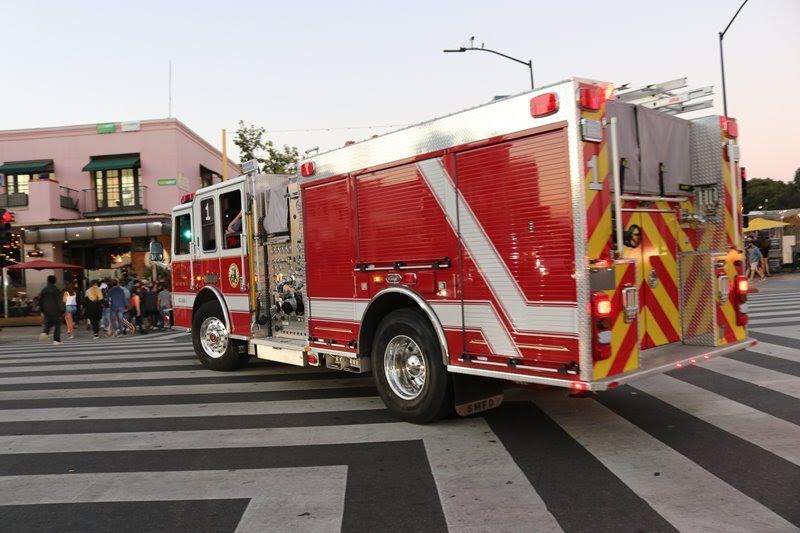
Otoe County, NE (May 11, 2026) — Emergency responders from Dunbar and Nebraska City Fire & Rescue were dispatched on Saturday, May 9, following a serious collision at Highway 2 and Highway 67.
According to initial dispatch reports, the collision involved two vehicles, both of which were towing trailers at the time of the impact.
Details about the number of vehicles involved and the full extent of injuries have not been released. The incident remains under investigation.
Our thoughts are with anyone affected by this accident as they recover.
What are the Legal Implications of a Truck Collision in Nebraska?
In Nebraska, accidents involving truck such as trailers and towing equipment introduce specific liability questions regarding weight limits, securement, and specialized insurance coverage.
To protect your rights, you must secure the official accident report, verify if the towing setups complied with state safety regulations, and consult a legal professional to ensure that any mechanical failure or improper loading is thoroughly investigated as a potential cause of the crash.
Determining Liability for Trailer-Related Negligence
When a vehicle with a trailer is involved in a crash, liability hinges on whether the trailer was properly hitched and if the driver was operating within safe speed limits for their total load. You can investigate if the other driver was over-hauling or if a faulty hitch led to a loss of control.
Navigating Complex Insurance Claims for Property and Cargo Loss
Accidents involving trailers often result in significant property damage that goes beyond the vehicles themselves. You may seek compensation for the loss of use of your equipment and the value of any cargo destroyed in the impact.
The Right to Access Commercial Maintenance Records
If one of the vehicles involved in the collision was a commercial or farm vehicle, you have the right to examine its maintenance and inspection logs. Federal and state laws require these vehicles to undergo regular safety checks, particularly regarding braking systems, which are under high stress when towing.
Protecting Your Right to Recovery Under Nebraska’s Comparative Fault Rules
Nebraska follows a 50% Bar Rule, meaning you can recover damages as long as your responsibility for the crash is 49% or less. In accidents involving heavy trailers, insurers may argue that your braking distance or visibility was a factor.
In such a complex scenario, early legal guidance from a car accident lawyer can help build a complete and accurate picture of how the crash affected you.
At Harris & Associates, we understand how confusing the days after a crash can feel. Our team has years of experience reviewing different vehicle crash cases across Nebraska and explaining possible next legal steps.
If you were involved in a car accident in Omaha or anywhere in Nebraska, you can call Harris & Associates at (402) 397-1202. We can help you understand what options may be available based on your situation.
Note: This post is based on information obtained from publicly available secondary sources. While we strive to ensure the accuracy of the information presented, Harris & Associates, P.C, L.L.O has not independently verified all details of the incident reported. If you notice any inaccuracies or missing information, please contact Harris & Associates, P.C, L.L.O so we can promptly review and update the content.
Disclaimer: The content of this post is provided for general informational purposes only and should not be interpreted as legal or medical advice. Reading this post does not create an attorney-client relationship with Harris & Associates, P.C, L.L.O. If you have been injured in an accident, seek appropriate medical care and consult a qualified attorney regarding your legal options. Any images included are for illustrative purposes only and do not depict the actual accident scene or individuals involved.
Hire Our Personal Injury Attorney Based in Omaha, NE
Call Harris & Associates, P.C, L.L.O today
serving Omaha, NE and surrounding areas
Thank you for visiting the website of Harris & Associates, P.C, L.L.O Our experienced personal injury law firm represents clients in and around Omaha, NE. Our focus areas include truck and semitruck collisions, workplace injuries, workers' compensation, brain injuries and product liability and neglect. We can also represent clients for a variety of other legal matters.
Please use the form on this page to schedule an appointment. Or you can call (402) 397-1202 to speak with someone directly.
Email Us Today
Contact Form
Harris & Associates, P.C, L.L.O
Our Location
13625 California Street, Omaha, Nebraska 68154, United States
Call Us:
Hours:
- Mon - Fri
- -
- Sat - Sun
- Appointment Only