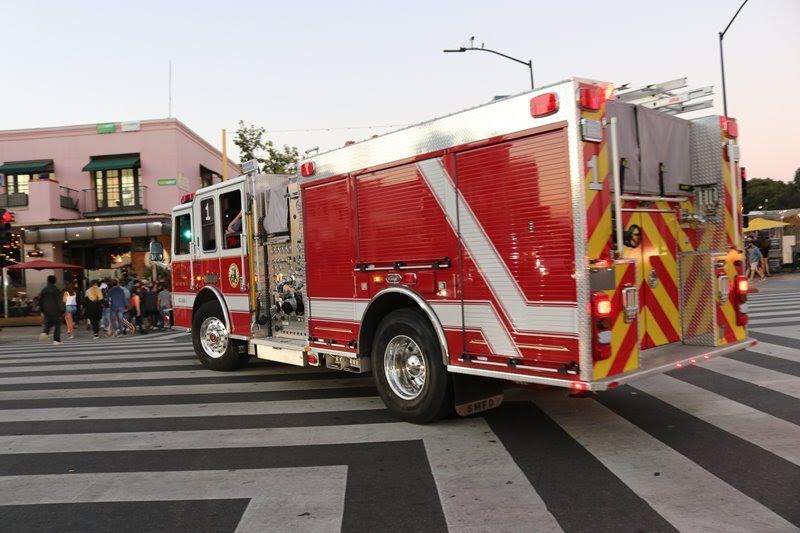
Lincoln, NE – Two-Car Crash, Rollover at S 70th St & Victory Park Rd

James Harris • May 12, 2026

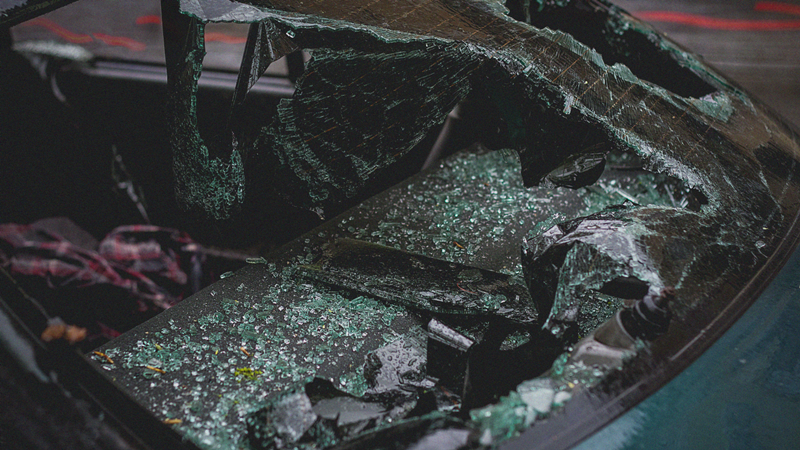
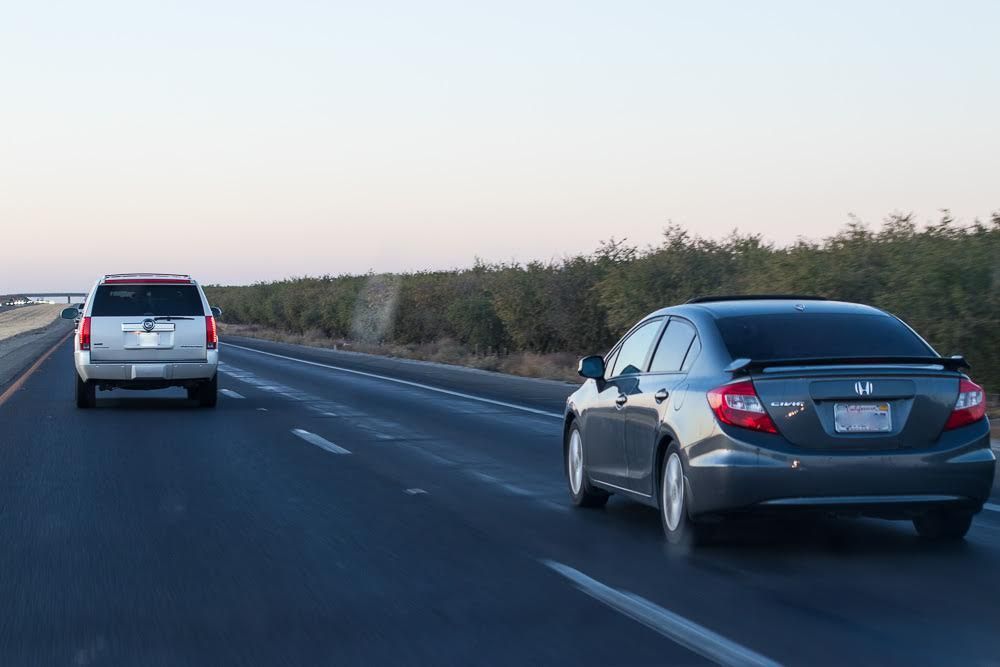
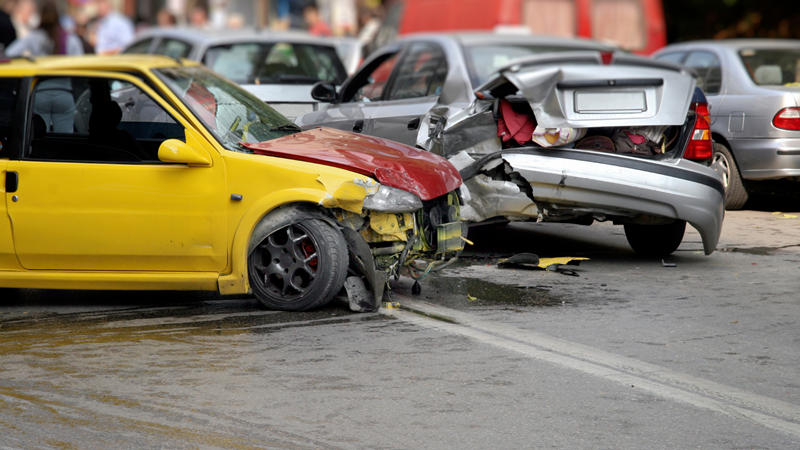
Lincoln, NE (May 12, 2026) – A two-vehicle crash left one car on its side at the intersection of South 70th Street and Victory Park Road in east Lincoln on Tuesday, May 12. Lincoln Police Department and Emergency units responded to the scene just after 3 p.m.


One vehicle ended up on its side, and the other suffered extensive front-end damage. Authorities confirmed that non-life-threatening injuries resulted from the collision. No further details about those hurt have been released.


Investigators have not yet determined what caused the accident.


Our thoughts are with those injured as they recover.


5 Steps To Take After Being Injured in a Crash in Lincoln, NE

After a car crash in Lincoln, the steps you take in the hours and days that follow can directly affect both your health and your ability to seek compensation. Here is what you should do:


1. Seek Medical Attention Right Away: Even when injuries appear minor, get a medical evaluation as soon as possible after the accident. Crashes can cause internal injuries, whiplash, or concussions that do not show symptoms immediately. A doctor's report also creates the first official link between the crash and your injuries.


2. Report the Crash to Police: Contact law enforcement and make sure an official report gets filed. Nebraska law requires reporting any accident involving injury or significant property damage. A Lincoln police report documents the facts of the collision and can serve as important evidence during an insurance claim or legal proceeding.


3. Document Everything at the Scene Take photos of both vehicles, road conditions, traffic signs, and any visible injuries. Collect contact and insurance information from the other driver, and get names and phone numbers from any witnesses present. The more detail you capture early, the stronger your documentation will be later.


4. Keep All Records Organized Hold onto every document related to your injuries and treatment — emergency room paperwork, prescription receipts, follow-up visit notes, and any bills received. Also keep a simple daily log noting your pain levels, physical limitations, and how the injuries affect your work and daily routine.


5. Speak With a Personal Injury Lawyer Nebraska follows a modified comparative fault rule, meaning your compensation could be affected if you are found partially at fault. A car accident lawyer can review the facts of your case, explain how Nebraska law applies, and help clarify.


At Harris & Associates, we have helped Nebraska residents navigate injury claims after serious crashes and can walk you through your options clearly and directly. 


To learn more after your Lincoln car accident, feel free to call Harris & Associates at (402) 397-1202 to schedule a free consultation. We are ready to listen and help you figure out your next steps.


Note: This post is based on information obtained from publicly available secondary sources. While we strive to ensure the accuracy of the information presented, Harris & Associates, P.C, L.L.O has not independently verified all details of the incident reported. If you notice any inaccuracies or missing information, please contact Harris & Associates, P.C, L.L.O so we can promptly review and update the content.


Disclaimer: The content of this post is provided for general informational purposes only and should not be interpreted as legal or medical advice. Reading this post does not create an attorney-client relationship with Harris & Associates, P.C, L.L.O. If you have been injured in an accident, seek appropriate medical care and consult a qualified attorney regarding your legal options. Any images included are for illustrative purposes only and do not depict the actual accident scene or individuals involved.


By James Harris May 12, 2026
Omaha, NE (May 12, 2026) – A house fire broke out Tuesday morning, May 12, near 19th Street and Missouri Avenue in south Omaha, sending one person to the hospital. Omaha Fire and emergency units responded to the scene at approximately 11 a.m. The injured person received treatment for smoke inhalation, according to officials at the scene. The fire affected a duplex, and nine residents were displaced as a result of the blaze. Authorities have not released further details on the condition of the person taken to the hospital. Investigators are actively working to determine what caused the fire. We extend our sincere wishes for a full recovery to the person injured and hope those displaced find safe shelter soon. Evidence Victims Should Preserve After a House Fire in Nebraska After a house fire in Nebraska, preserving evidence as early as possible is one of the most important steps a victim can take to protect their legal and financial interests. Photographs, medical records, and official reports form the foundation of any insurance claim or personal injury case that may follow. Start by documenting the physical damage as thoroughly as possible. Take photos and videos of every affected area of the property, including structural damage, burned belongings, and any visible signs of where the fire originated. If smoke or fire damage affected personal property, make a detailed written list of everything lost or destroyed, along with estimated values where possible. Medical records are equally important, especially when injuries like smoke inhalation are involved. Smoke inhalation can cause lasting respiratory damage that may not fully appear in early evaluations. Keeping all emergency room records, follow-up visit notes, and treatment plans creates a clear timeline connecting the fire directly to the injuries sustained. Official documents also carry significant weight in Nebraska fire cases. Request a copy of the fire department's incident report as soon as it becomes available. If investigators determine a cause — such as faulty wiring, a defective appliance, or negligence — that finding can become central to a legal claim. Nebraska law may allow fire victims to seek compensation from a responsible party when negligence contributed to the fire. Insurance communication should also be handled carefully. Avoid providing recorded statements to insurance adjusters before speaking with an Omaha personal injury lawyer , as early statements can sometimes affect how a claim is evaluated later. At Harris & Associates, our team has extensive experience reviewing fire-related injury cases and helping Nebraska residents understand what options may be available to them. We can explain how evidence, documentation, and state law may work together in your situation. If you or someone you know was hurt in a house fire, call Harris & Associates at (402) 397-1202 to speak with our team and learn what steps you can take next. Note: This post is based on information obtained from publicly available secondary sources. While we strive to ensure the accuracy of the information presented, Harris & Associates, P.C, L.L.O has not independently verified all details of the incident reported. If you notice any inaccuracies or missing information, please contact Harris & Associates, P.C, L.L.O so we can promptly review and update the content.  Disclaimer: The content of this post is provided for general informational purposes only and should not be interpreted as legal or medical advice. Reading this post does not create an attorney-client relationship with Harris & Associates, P.C, L.L.O. If you have been injured in an accident, seek appropriate medical care and consult a qualified attorney regarding your legal options. Any images included are for illustrative purposes only and do not depict the actual accident scene or individuals involved.
By James Harris May 12, 2026
Plattsmouth, NE (May 12, 2026) – A two-vehicle crash with airbag deployment occurred at the intersection of Highway 75 and 1st Avenue in Plattsmouth, Nebraska. Plattsmouth Fire and emergency units responded to the scene at approximately 2:30 p.m. Responders arrived to find two vehicles involved in the collision. Airbags deployed in at least one of the vehicles, indicating a significant impact. Authorities have not released details on the number of people injured or the severity of their conditions. Investigators are actively working to determine the cause of the accident. Our thoughts are with everyone affected by this crash as they recover. Why Is It Important to Seek Medical Attention After a Crash? Seeking medical attention after a crash is one of the most important steps an injury victim can take, both for their health and for any potential legal claim. Some injuries — including whiplash, internal bleeding, and concussions — may not produce obvious symptoms right away, but can worsen significantly without early treatment. When airbags deploy, the force of impact is substantial. Even in crashes that appear minor from the outside, the body absorbs significant physical stress. Chest injuries, neck strain, and soft tissue damage are common after a crash and it may take hours or days to fully surface. A medical evaluation right after the accident helps identify these issues before they develop into more serious conditions. Medical records also play a critical role in Nebraska injury claims. Under Nebraska law, injury victims may seek compensation for medical expenses, lost wages, and pain and suffering. However, a successful claim depends heavily on documentation that links the injuries directly to the crash. Gaps in medical treatment can make it harder to establish that connection later. Nebraska follows a modified comparative fault rule, meaning that a victim's compensation may decrease if they are found partially responsible for the accident. Seeking prompt medical care and keeping thorough records from the start helps protect a victim's position throughout the claims process. A car accident attorney can explain how this rule may apply to a specific situation. At Harris & Associates, we have years of experience helping Nebraska residents understand their options after a serious collision. We can explain how medical documentation, insurance communication, and Nebraska fault laws may affect your case. To speak with our team, call Harris & Associates at (402) 397-1202 and take the first step toward understanding your available options. Note: This post is based on information obtained from publicly available secondary sources. While we strive to ensure the accuracy of the information presented, Harris & Associates, P.C, L.L.O has not independently verified all details of the incident reported. If you notice any inaccuracies or missing information, please contact Harris & Associates, P.C, L.L.O so we can promptly review and update the content. Disclaimer: The content of this post is provided for general informational purposes only and should not be interpreted as legal or medical advice. Reading this post does not create an attorney-client relationship with Harris & Associates, P.C, L.L.O. If you have been injured in an accident, seek appropriate medical care and consult a qualified attorney regarding your legal options. Any images included are for illustrative purposes only and do not depict the actual accident scene or individuals involved.
By James Harris May 11, 2026
Ashland, NE (May 8, 2026) — On Friday, May 8, emergency responders were dispatched to the intersection of North 14th Street and Euclid Street following a collision between a passenger car and a motorcycle. Upon arrival, paramedics found the motorcyclist and the car's driver alert and conscious. One of them was transported to a local medical facility for further evaluation of his injuries. The crash remains under investigation. We extend our sincere hopes for recovery to the injured. Establishing Liability and Right-of-Way in Nebraska Intersection Accidents In Nebraska, determining who is financially responsible for an intersection accident depends on proving which driver breached their duty to yield the right-of-way. To protect your interests, you must ensure the police report accurately reflects the positions of both vehicles, identify any witnesses who saw the vehicles enter the intersection, and consult a legal professional to evaluate how Nebraska’s comparative negligence rules will impact your ability to recover medical and repair costs. The Critical Role of Yielding and Traffic Control Compliance At an intersection, the right-of-way is governed by specific traffic control devices and Nebraska statutes. You have the right to an investigation that determines if one driver was speeding, failed to come to a complete stop, or turned left in front of oncoming traffic. Overcoming the “Didn't See the Motorcycle" Defense One of the most common challenges in car-versus-motorcycle cases is the driver claiming they did not see the motorcyclist. Under Nebraska law, drivers have a duty to see what is in plain sight. You have the right to challenge this defense by documenting the weather, lighting, and any obstructions present. An attorney works to prove that the motorcyclist was a visible and lawful user of the roadway, ensuring the driver’s inattention is correctly identified as the primary cause of the accident. Utilizing Technical Evidence to Refute Shared Fault In any accident involving an injury, insurance companies often attempt to assign a percentage of fault to the victim to reduce their payout. Under Nebraska’s 50% Bar Rule, if you are found to be 50% or more at fault, you cannot recover any damages. A legal representative ensures that technical evidence, such as skid marks or data from the car's Event Data Recorder (EDR), is preserved. Investigating Roadway Maintenance and Sightline Obstructions Sometimes, liability for an intersection crash extends beyond the drivers to the entities responsible for maintaining the roadway. You have the right to investigate if overgrown trees, poorly placed signs, or malfunctioning signals contributed to the collision. A lawyer can review the maintenance history of the intersection to determine if the city or a private landowner failed to address a dangerous condition that made the collision inevitable for even the most careful driver. At Harris & Associates, we have extensive experience reviewing vehicle accident cases across Nebraska and helping injured people understand their legal options after serious collisions. We can walk you through how Nebraska's fault rules, insurance requirements, and filing deadlines apply to your specific situation. If you have questions after a crash, call Harris & Associates at (402) 397-1202 to speak with our Nebraska personal injury lawyer . and learn what options may be available in your case. Note: This post is based on information obtained from publicly available secondary sources. While we strive to ensure the accuracy of the information presented, Harris & Associates, P.C, L.L.O has not independently verified all details of the incident reported. If you notice any inaccuracies or missing information, please contact Harris & Associates, P.C, L.L.O so we can promptly review and update the content. Disclaimer: The content of this post is provided for general informational purposes only and should not be interpreted as legal or medical advice. Reading this post does not create an attorney-client relationship with Harris & Associates, P.C, L.L.O. If you have been injured in an accident, seek appropriate medical care and consult a qualified attorney regarding your legal options. Any images included are for illustrative purposes only and do not depict the actual accident scene or individuals involved.
By James Harris May 11, 2026
Grand Island, NE (May 11, 2026) — On Sunday morning, May 10, the Grand Island Fire Department (GIFD) and local police units were dispatched to a two-vehicle collision at the junction of Stolley Park Road and Blaine Street. First responders arrived to find two SUVs with significant damage following the impact. GIFD personnel immediately began providing medical aid to the occupants. The severity of the sustained injuries has not been officially confirmed. Authorities continue to investigate the cause of the crash. Our thoughts remain with everyone involved as they recover from this incident. Legal Rights and Recovery Options Following an Intersection Collision in Nebraska In Nebraska, your rights after an intersection accident include the pursuit of compensation for medical expenses and lost wages through the at-fault driver’s insurance policy. To protect these rights, you must secure the official accident report, undergo a professional medical screening to have proof of your injuries, and consult a legal professional to ensure that any "he-said, she-said" disputes regarding traffic signals or right-of-way are resolved through an objective investigation. Navigating Nebraska’s Modified Comparative Fault Rule Nebraska operates under a 50% Bar Rule, which means you have the right to recover damages as long as you are not more than 49% responsible for the crash. If you are found partially at fault, your settlement will be reduced by that specific percentage. The Right to Recovery for Hidden or Delayed Injuries Vehicle collisions often involve significant force, which can lead to soft-tissue injuries or concussions that may not be immediately apparent at the scene. You have the right to seek compensation for these delayed-onset injuries as long as they are properly documented by a medical professional. Protecting Your Claim Against Aggressive Adjuster Tactics Following an accident, insurance companies may reach out quickly to obtain a recorded statement or offer a fast-cash settlement. You have the right to decline these requests until you have fully assessed your medical and financial situation. A lawyer serves as your advocate, managing all communications with the adjusters to ensure you do not inadvertently admit fault or sign away your rights to future compensation before the full extent of your damages is known. Our team at Harris & Associates has years of experience helping injury victims throughout Nebraska after serious crashes. We can help you understand how liability, insurance coverage, and damages may affect your claim. For trusted guidance after a crash, you can contact Harris & Associates at (402) 397-1202 to speak with our Nebraska personal injury lawyer. Note: This post is based on information obtained from publicly available secondary sources. While we strive to ensure the accuracy of the information presented, Harris & Associates, P.C, L.L.O has not independently verified all details of the incident reported. If you notice any inaccuracies or missing information, please contact Harris & Associates, P.C, L.L.O so we can promptly review and update the content. Disclaimer: The content of this post is provided for general informational purposes only and should not be interpreted as legal or medical advice. Reading this post does not create an attorney-client relationship with Harris & Associates, P.C, L.L.O. If you have been injured in an accident, seek appropriate medical care and consult a qualified attorney regarding your legal options. Any images included are for illustrative purposes only and do not depict the actual accident scene or individuals involved.
By James Harris May 11, 2026
Otoe County, NE (May 11, 2026) — Emergency responders from Dunbar and Nebraska City Fire & Rescue were dispatched on Saturday, May 9, following a serious collision at Highway 2 and Highway 67. According to initial dispatch reports, the collision involved two vehicles, both of which were towing trailers at the time of the impact. Details about the number of vehicles involved and the full extent of injuries have not been released. The incident remains under investigation. Our thoughts are with anyone affected by this accident as they recover. What are the Legal Implications of a Truck Collision in Nebraska? In Nebraska, accidents involving truck such as trailers and towing equipment introduce specific liability questions regarding weight limits, securement, and specialized insurance coverage. To protect your rights, you must secure the official accident report, verify if the towing setups complied with state safety regulations, and consult a legal professional to ensure that any mechanical failure or improper loading is thoroughly investigated as a potential cause of the crash. Determining Liability for Trailer-Related Negligence When a vehicle with a trailer is involved in a crash, liability hinges on whether the trailer was properly hitched and if the driver was operating within safe speed limits for their total load. You can investigate if the other driver was over-hauling or if a faulty hitch led to a loss of control. Navigating Complex Insurance Claims for Property and Cargo Loss Accidents involving trailers often result in significant property damage that goes beyond the vehicles themselves. You may seek compensation for the loss of use of your equipment and the value of any cargo destroyed in the impact. The Right to Access Commercial Maintenance Records If one of the vehicles involved in the collision was a commercial or farm vehicle, you have the right to examine its maintenance and inspection logs. Federal and state laws require these vehicles to undergo regular safety checks, particularly regarding braking systems, which are under high stress when towing. Protecting Your Right to Recovery Under Nebraska’s Comparative Fault Rules Nebraska follows a 50% Bar Rule, meaning you can recover damages as long as your responsibility for the crash is 49% or less. In accidents involving heavy trailers, insurers may argue that your braking distance or visibility was a factor. In such a complex scenario, early legal guidance from a car accident lawyer can help build a complete and accurate picture of how the crash affected you. At Harris & Associates, we understand how confusing the days after a crash can feel. Our team has years of experience reviewing different vehicle crash cases across Nebraska and explaining possible next legal steps. If you were involved in a car accident in Omaha or anywhere in Nebraska, you can call Harris & Associates at (402) 397-1202. We can help you understand what options may be available based on your situation. Note: This post is based on information obtained from publicly available secondary sources. While we strive to ensure the accuracy of the information presented, Harris & Associates, P.C, L.L.O has not independently verified all details of the incident reported. If you notice any inaccuracies or missing information, please contact Harris & Associates, P.C, L.L.O so we can promptly review and update the content. Disclaimer: The content of this post is provided for general informational purposes only and should not be interpreted as legal or medical advice. Reading this post does not create an attorney-client relationship with Harris & Associates, P.C, L.L.O. If you have been injured in an accident, seek appropriate medical care and consult a qualified attorney regarding your legal options. Any images included are for illustrative purposes only and do not depict the actual accident scene or individuals involved.
By James Harris May 10, 2026
Every day, drivers merge onto Interstate 80 through Omaha, cruise down Dodge Street, or navigate Highway 6 between Lincoln and the metro area, and many don't give their seat belt a second thought. But when a collision happens, that small strip of fabric becomes one of the most important decisions a person made on that day. Nebraska's seat belt laws are more nuanced than most drivers realize, and the answers to questions about fault, insurance, and compensation depend heavily on how the state treats seat belt use, both as a traffic regulation and as a factor in personal injury claims. What Nebraska's Seat Belt Law Requires Under Nebraska law , the driver and every front-seat passenger in a vehicle are required to wear a properly fastened seat belt at all times. Additionally, all children ages 8 through 17 must be buckled regardless of where they're seated in the vehicle. Children under age 8 must be secured in an appropriate child restraint system, rear-facing seats for those under two, and forward-facing or booster seats as they grow older. These rules apply to passenger vehicles model year 1973 and newer, which covers the vast majority of cars on Nebraska roads today. There are limited exceptions: licensed physicians can provide written documentation exempting a patient from seat belt use for medical reasons, and on-duty drivers of authorized emergency vehicles are also exempt under the statute. Nebraska Seat Belt Law Secondary Enforcement: A Critical Legal Nuance Here is something many Nebraska drivers, and even some out-of-state visitors traveling through, don't know: Nebraska enforces its seat belt law as a secondary offense. That means a law enforcement officer cannot pull a vehicle over solely because a driver or front-seat passenger isn't wearing a seat belt. A stop for a seat belt violation can only happen if the driver has already been cited or stopped for a separate, primary traffic offense, such as speeding, running a red light, or an equipment violation. This makes Nebraska one of only about 15 states in the country that still uses secondary enforcement for front-seat occupants, according to the Nebraska Department of Health and Human Services. The fine for a seat belt violation, if it does result in a citation, is $25, and one point is assessed against the driver's license record. While that fine may seem minor, the downstream consequences of not wearing a seat belt, especially after a collision, can be far more significant. The Rear Seat Gap: What Nebraska Law Does Not Cover One aspect of Nebraska's seat belt law that surprises many people is what it doesn't include. Nebraska has no law requiring adult rear-seat passengers to wear seat belts. According to information provided by the Nebraska Department of Transportation , Nebraska is among only nine states in the country with no rear-occupant seat belt mandate. The law protects children in the back seat through child restraint requirements, but adult passengers 18 and older who choose to ride unbelted in the rear of a vehicle face no legal consequence under current state law. This gap is worth knowing, because the absence of a legal requirement does not eliminate the physical risk, and in certain accident scenarios, it can affect how liability and injury claims are assessed. Safety advocates, including the Insurance Institute for Highway Safety, have noted that unbelted rear passengers pose significant dangers not only to themselves but also to front-seat occupants in a collision. Nebraska Seat Belt Statistics: The Numbers Behind the Risk The data coming out of Nebraska's own agencies tells a sobering story. According to the Nebraska Department of Transportation (NDOT), 2024 was the deadliest year on state roads in nearly two decades, with 251 traffic fatalities recorded, nearly a 10 percent increase from 2023. Of those deaths, NDOT's Highway Safety Office reported that over 70 percent of fatalities involved people who were not wearing a seat belt. Nebraska's seat belt usage rate sits at approximately 80 percent, according to NDOT's most recent figures, still well below the national rate of 91.9 percent, as reported by the National Highway Traffic Safety Administration (NHTSA). Safe Streets Nebraska has noted that the state has one of the lowest seat belt usage rates in the country. Of the 251 fatalities in 2024, the majority occurred on rural roads, many of which crisscross agricultural communities far from hospital trauma centers. making the survival margin of a seat belt even more decisive in those settings. Does Not Wearing a Seat Belt Affect an Injury Claim in Nebraska? This is the question that matters most to someone who has already been in an accident. The short answer: yes, it can affect a claim, but it does not abolish the right to pursue compensation. Nebraska follows a modified comparative negligence system, meaning a victim can still recover damages as long as their share of fault is less than 50 percent. At or above that threshold, recovery is barred entirely. In accidents where someone wasn't belted, the opposing party may invoke the seat belt defense, arguing that injuries were more severe than they would have been with a belt in use. Critically, Nebraska law treats the failure to wear a seat belt as a matter of mitigation of damages, not a cause of the crash itself. The at-fault driver's actions, such as running a stop sign, a rear-end collision, or drifting across the center line, remain the central question of liability. A jury or insurer may still reduce compensation for injuries that a seat belt could have lessened, which is why legal guidance after a Nebraska seat belt accident matters. Nebraska Traffic Fatalities, Seat Belt Use, and the Cost of Going Unrestrained The financial and human cost of unrestrained travel is well-documented at the state and national levels. Nebraska DHHS has cited research showing that hospital charges for unrestrained vehicle occupants run roughly three times higher than for those who were properly belted, a direct result of more severe injury patterns, longer recovery times, and greater need for surgical intervention or rehabilitation. In 2023, NDOT reported that 81 percent of teen traffic fatalities in Nebraska involved individuals who were not wearing seat belts. That year, Nebraska ranked 49th out of 50 states in seat belt usage, according to NDOT's Highway Safety Office. These numbers underscore why the seat belt defense carries weight in personal injury litigation: the evidence that belts reduce injury severity is both medically and statistically robust. Frequently Asked Questions: Nebraska Seat Belt Law and Accident Claims Can I still sue if I wasn't wearing a seat belt in Nebraska? Yes. Nebraska's modified comparative negligence law allows injured parties to pursue compensation even without a seat belt, as long as their share of fault is less than 50 percent, though the amount recovered may be reduced depending on the circumstances. How much is a Nebraska seat belt fine? The base fine is $25, plus one point on the driver's license record. Because Nebraska uses secondary enforcement, a citation can only be issued alongside a separate traffic violation. Does Nebraska require back-seat passengers to wear seat belts? No. Nebraska law only covers the driver, front-seat occupants, and passengers under 18, making it one of just nine states with no rear-seat belt mandate for adults. Reach Out to Harris Law After a Nebraska Traffic Accident If you've been involved in a car accident in Omaha and you have questions about how seat belt use might affect your injury claim, our team at Harris Law is available to help you work through those questions. We serve clients throughout Omaha and the surrounding areas, with a straightforward and experienced approach to car accident and personal injury matters. You can reach Harris Law directly at (402) 397-1202, or send us a message by clicking here . There's no obligation in making that first call, just an opportunity to understand where you stand.
By James Harris May 10, 2026
Omaha, NE (May 10, 2026) – A pedestrian suffered injuries after a car struck her on Sunday, May 10, in Omaha. The crash happened around 3:21 p.m. at 50th Street and Lake Street. Initial reports indicate that a vehicle struck a 30-year-old woman and pushed her between the vehicle and a nearby building. The car also struck the building and ripped a gas meter from the structure, causing an active gas leak. Emergency units responded after receiving reports of the collision. When crews arrived, they found the woman alert and conscious at the scene. Paramedics provided medical attention before transporting the victim to a nearby hospital as a trauma patient. The woman reported left ankle pain and lower back pain. Her current condition remains unknown at this time. Utility crews responded to address the gas leak while authorities closed the roadway. The investigation into the cause of the crash remains ongoing. We wish the victim a full and speedy recovery.  Risks Pedestrians Face at Busy Intersections in Omaha, NE Pedestrians face serious risks at busy Omaha intersections. Speeding drivers, turning vehicles, poor visibility, and limited space near traffic can all increase the danger. Knowing these risks can help you understand what may have contributed to the crash. When drivers approach crowded intersections too quickly, they have less time to stop for pedestrians. Even a small increase in speed can increase the force of impact. Speed can make pedestrian crashes more serious, especially near busy streets. If drivers make left or right turns without checking for people on foot, pedestrians can be struck in or near a crosswalk. Turning drivers may focus on traffic and miss someone crossing nearby. Failure to yield remains a common factor in intersection-related pedestrian crashes. Because parked vehicles, utility poles, and landscaping can block sight lines, some pedestrians may be hard to see until the last moment. These blind spots can place people on foot at greater risk near intersections. Clear visibility matters for both drivers and pedestrians. At night, poor lighting can make it harder for drivers to see pedestrians near Omaha intersections. Dark clothing and low visibility can increase that risk. Many pedestrian crashes happen during early morning or evening hours when visibility is reduced. Unlike vehicle occupants, pedestrians have no seatbelt, airbag, or vehicle frame to absorb impact. The body takes the force of the crash directly. This is why even lower-speed collisions can cause serious injuries. An Omaha personal injury lawyer can investigate the facts of the crash and gather evidence from the scene. An attorney can also handle communication with the insurance company on your behalf. At Harris & Associates, we have years of experience helping injured pedestrians across Nebraska. We can explain your legal options and help you understand how fault, insurance coverage, and medical records may apply to your case. To learn more about your legal options after a pedestrian accident in Omaha, call Harris & Associates at (402) 397-1202 to speak with our team. Note: This post is based on information obtained from publicly available secondary sources. While we strive to ensure the accuracy of the information presented, Harris & Associates, P.C, L.L.O has not independently verified all details of the incident reported. If you notice any inaccuracies or missing information, please contact Harris & Associates, P.C, L.L.O so we can promptly review and update the content. Disclaimer: The content of this post is provided for general informational purposes only and should not be interpreted as legal or medical advice. Reading this post does not create an attorney-client relationship with Harris & Associates, P.C, L.L.O. If you have been injured in an accident, seek appropriate medical care and consult a qualified attorney regarding your legal options. Any images included are for illustrative purposes only and do not depict the actual accident scene or individuals involved.
By James Harris May 10, 2026
Omaha, NE (May 10, 2026) – One person suffered serious injuries in a three-car crash on Sunday, May 10, in Omaha. The accident happened around 1:40 a.m. near 24th Street and Lake Street. Emergency units responded after receiving reports of the crash. Paramedics provided medical attention at the scene before transporting the victim to a nearby hospital with serious injuries. No other injuries have been reported at this time. Authorities continue to investigate the cause of the collision. We hope the injured victim makes a full and swift recovery. How Fault Is Determined After a Multi-Vehicle Crash in Omaha, NE After a multi-vehicle crash in Omaha, fault is determined by reviewing each driver’s actions, physical evidence, and witness accounts. Police reports, traffic footage, and vehicle damage can all help show what happened. Nebraska’s comparative fault system may affect how much compensation each party can receive. When three or more vehicles are involved, investigators look at which driver’s actions started the crash. A driver who ran a red light, failed to yield, or exceeded the speed limit may carry primary fault. The order of impact can also help show who struck whom first. At a busy Omaha intersection like 24th Street and Lake Street, physical evidence can help explain the collision. Skid marks, debris, and vehicle positions may help reconstruct the crash. This evidence can disappear quickly, so early documentation matters. Under Nebraska’s comparative fault rules, each driver may receive a different percentage of responsibility. You may still seek compensation if you are found less than 50 percent at fault. Your share of fault may reduce your recovery. Because multiple drivers may share fault, several insurance policies may become part of the same claim. Each insurance company may reach a different conclusion about liability. These disputes can slow the process. In some cases, the at-fault driver’s policy may not cover all of your losses. Underinsured motorist coverage may help fill gaps when another driver’s limits fall short. Reviewing your policy early can help you understand what coverage may apply. An Omaha car accident lawyer can review the crash and explain how fault may affect your claim. An attorney can gather reports, witness statements, and reconstruction evidence. At Harris & Associates, we have years of experience helping injury victims after multi-vehicle crashes in Omaha and across Nebraska. We can help you understand how fault, insurance coverage, and medical records may apply to your case. If you were hurt in a multi-vehicle accident in Omaha, call Harris & Associates at (402) 397-1202 to learn more about your legal options. Note: This post is based on information obtained from publicly available secondary sources. While we strive to ensure the accuracy of the information presented, Harris & Associates, P.C, L.L.O has not independently verified all details of the incident reported. If you notice any inaccuracies or missing information, please contact Harris & Associates, P.C, L.L.O so we can promptly review and update the content. Disclaimer: The content of this post is provided for general informational purposes only and should not be interpreted as legal or medical advice. Reading this post does not create an attorney-client relationship with Harris & Associates, P.C, L.L.O. If you have been injured in an accident, seek appropriate medical care and consult a qualified attorney regarding your legal options. Any images included are for illustrative purposes only and do not depict the actual accident scene or individuals involved.
By James Harris May 10, 2026
Omaha, NE (May 10, 2026) – Two people suffered injuries in a two-vehicle crash on Saturday, May 9, in Omaha. The account happened around 4:34 p.m. at the intersection of South 13th Street and L Street. Emergency units responded after receiving reports of the collision. When crews arrived, they found two people suffering from injuries at the scene. One person suffered non-life-threatening injuries. A second person may have suffered more serious injuries, though officials have not confirmed their exact condition. Paramedics evaluated both victims and provided medical attention before transporting them to a nearby hospital. Authorities continue to investigate the cause of the crash. We hope the injured parties make a full and swift recovery. What You Should Know After a Car Crash in Omaha, NE After a car crash in Omaha, you should understand how injuries are treated, how fault is determined, how insurance claims work, and when to contact a lawyer. Each step can affect your recovery and any future claim. Acting early can help protect your health and your options. In many cases, crash injuries may not cause pain right away. Adrenaline can delay symptoms from whiplash, soft tissue injuries, and mild concussions. A same-day medical evaluation can help identify problems before they worsen. Fault is determined by reviewing each driver’s actions before and during the collision. Police reports, witness statements, and evidence from the scene can all help show what happened. Nebraska’s comparative fault rules may reduce compensation if you share part of the blame. If you file a claim with the other driver’s insurance company, the adjuster may review your medical records, repair estimates, and the crash report. Insurers may question the severity of your injuries or argue that another condition caused your symptoms. Organized records can help respond to those arguments. Because medical costs can build quickly after a crash at a busy Omaha intersection, you should track every expense from the start. Emergency care, imaging, follow-up visits, and missed work may create financial pressure during recovery. These costs can continue beyond the first few weeks of treatment. As treatment continues, the financial impact may grow if your injuries require extended care. Physical therapy, specialist visits, and prescription costs may not be fully covered by insurance. Tracking these expenses can help support your claim. Before you accept a settlement, you should speak with an Omaha car accident lawyer . An attorney can handle insurance communication, organize your records, and help establish fault. At Harris & Associates, we help injury victims after car crashes in Omaha and across Nebraska. Our team can review your case and explain what options may be available to you. For legal guidance after a car accident in Omaha, call Harris & Associates at (402) 397-1202. Note: This post is based on information obtained from publicly available secondary sources. While we strive to ensure the accuracy of the information presented, Harris & Associates, P.C, L.L.O has not independently verified all details of the incident reported. If you notice any inaccuracies or missing information, please contact Harris & Associates, P.C, L.L.O so we can promptly review and update the content. Disclaimer: The content of this post is provided for general informational purposes only and should not be interpreted as legal or medical advice. Reading this post does not create an attorney-client relationship with Harris & Associates, P.C, L.L.O. If you have been injured in an accident, seek appropriate medical care and consult a qualified attorney regarding your legal options. Any images included are for illustrative purposes only and do not depict the actual accident scene or individuals involved.
By James Harris May 9, 2026
Omaha, NE (May 9, 2026) — A late-night structural fire near the intersection of South 220th and Riverside Drive has left one person hospitalized and a family of five searching for temporary housing. The Omaha Fire Department responded to the call shortly before 11 p.m. on Friday. Upon arrival, fire crews observed heavy flames venting from the rear of the residence. Due to the intensity of the blaze, commanders opted for a defensive strategy, focusing on containing the fire from the exterior to protect neighboring properties rather than sending firefighters inside the unstable structure. Fortunately, all occupants managed to evacuate the home independently before crews arrived. One individual was treated at the scene for smoke inhalation and subsequently transported to a local hospital for further observation. Our thoughts are with everyone affected by this accident. What are the Legal Rights and Steps Following a Residential Fire in Nebraska? In Nebraska, your primary rights include the ability to seek immediate financial assistance for loss of use through your homeowner's or renter's insurance and the right to a thorough, independent investigation into the cause of the fire. To protect these rights, you must secure a copy of the official fire marshal's report, document all destroyed property before it is cleared, and avoid making recorded statements to insurance adjusters until you understand the full extent of your policy benefits. When a fire displaces your family, your insurance policy typically includes Additional Living Expenses (ALE) or Loss of Use coverage. This right allows you to be reimbursed for hotel stays, meals, and other increased living costs while your home is uninhabitable. A lawyer can help you interpret your policy language to ensure the insurance company doesn't underpay these daily necessities while you wait for the investigation to conclude.  Insurance companies in Nebraska are legally obligated to process claims fairly and on time. If your insurer denies your claim without a reasonable basis or fails to conduct a proper investigation, you may have a claim for insurance bad faith. A lawyer acts as a buffer between you and the insurance adjuster, ensuring that the company fulfills its contractual duties and provides the funds necessary for rebuilding or relocation. Following a displacement, you have the right to access community resources provided by organizations like the American Red Cross. However, it is important to remember that these are temporary measures. A lawyer helps you bridge the gap between emergency aid and long-term recovery by coordinating with fire investigators to release the property so that professional damage restoration teams can begin an accurate inventory of your losses for your permanent claim. Our team at Harris & Associates has experience handling injury matters throughout Nebraska involving serious fire accidents. We can provide information about medical costs, insurance concerns, and other issues that may arise after a fire-related injury. If you have questions after a fire accident, contact Harris & Associates at (402) 397-1202 to discuss your situation with our Omaha personal injury lawyers and learn more about the options that may be available to you. Note: This post is based on information obtained from publicly available secondary sources. While we strive to ensure the accuracy of the information presented, Harris & Associates, P.C, L.L.O has not independently verified all details of the incident reported. If you notice any inaccuracies or missing information, please contact Harris & Associates, P.C, L.L.O so we can promptly review and update the content. Disclaimer: The content of this post is provided for general informational purposes only and should not be interpreted as legal or medical advice. Reading this post does not create an attorney-client relationship with Harris & Associates, P.C, L.L.O. If you have been injured in an accident, seek appropriate medical care and consult a qualified attorney regarding your legal options. Any images included are for illustrative purposes only and do not depict the actual accident scene or individuals involved.
Show More