Omaha, NE – Crash at 36th St & Vinton St Leaves One Critically Hurt
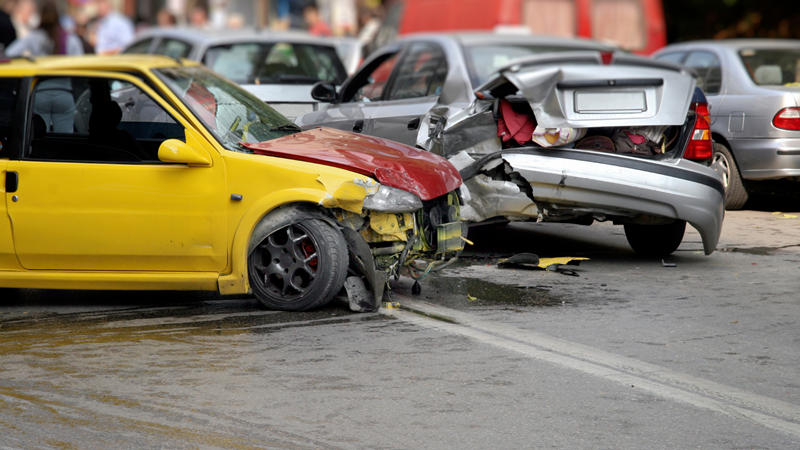
Omaha, NE (May 14, 2026) – One person suffered critical injuries in a crash on Wednesday, May 13, in Omaha. The crash occurred around 9:15 p.m. at 36th Street and Vinton Street.
Authorities have not yet confirmed the total number of vehicles involved. Emergency crews responded after receiving reports of the accident. Paramedics provided medical care at the scene before transporting the victim to a nearby hospital in critical condition.
Authorities continue to investigate the cause of the collision. Updates will be provided as more information becomes available.
We hope the injured victim makes a full and steady recovery.
What Evidence Matters Most After a Serious Accident in Omaha?
After a serious accident in Omaha, the most important evidence may include the police report, medical records, photos, videos, witness statements, vehicle damage records, and any surveillance footage. Each piece can help show what happened, who may be responsible, and how the crash affected your health.
Once you are safe, take photos and videos of the vehicles, intersection, traffic signals, skid marks, debris, and road conditions. Details like lighting and lane markings can help show what happened. Wide shots and close-ups can help preserve the scene before anything is moved.
When police complete their investigation, they usually file an official crash report. The report may include driver statements, witness information, citations, and crash details. Reviewing it carefully can help identify errors or missing information.
If anyone witnessed the accident, their account may help support your version of events. Bystanders, passengers, or nearby business employees may have seen details the drivers missed. Getting their names and phone numbers early can make follow-up easier.
Medical records are also important after a serious crash. Emergency care notes, test results, diagnoses, and treatment plans can connect your injuries to the collision. Keeping every appointment can also help show your recovery timeline.
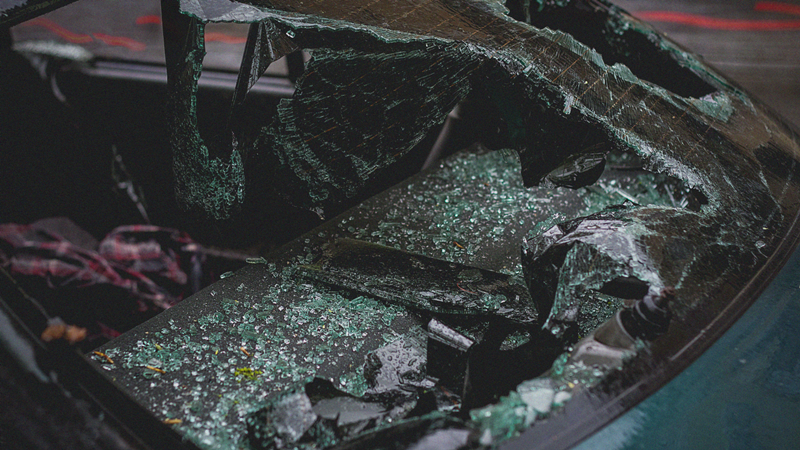
Before your vehicle is repaired or replaced, damage documentation can help show the force of the crash. Photos of crushed panels, deployed airbags, broken glass, and structural damage may support your injury claim. Repair estimates or total loss records can also help document property damage.
Because camera footage can disappear quickly, it helps to identify possible video sources early. Nearby businesses, homes, dashcams, or traffic cameras may have captured part of the crash. Preservation requests can help prevent important footage from being deleted.
Speaking with an
Omaha car accident lawyer can help you understand which evidence matters most in your case. An attorney can gather records, contact witnesses, and organize the evidence for insurance review. Legal guidance can also help you avoid mistakes before accepting any settlement offer.
Our team at Harris & Associates has years of experience handling accident cases across Omaha and nearby communities. We can review your case, answer your questions, and explain what steps may apply after a serious collision.
For legal guidance after a crash in Omaha, you can call Harris & Associates at (402) 397-1202.
Note: This post is based on information obtained from publicly available secondary sources. While we strive to ensure the accuracy of the information presented, Harris & Associates, P.C, L.L.O has not independently verified all details of the incident reported. If you notice any inaccuracies or missing information, please contact Harris & Associates, P.C, L.L.O so we can promptly review and update the content.
Disclaimer: The content of this post is provided for general informational purposes only and should not be interpreted as legal or medical advice. Reading this post does not create an attorney-client relationship with Harris & Associates, P.C, L.L.O. If you have been injured in an accident, seek appropriate medical care and consult a qualified attorney regarding your legal options. Any images included are for illustrative purposes only and do not depict the actual accident scene or individuals involved.
Hire Our Personal Injury Attorney Based in Omaha, NE
Call Harris & Associates, P.C, L.L.O today
serving Omaha, NE and surrounding areas
Thank you for visiting the website of Harris & Associates, P.C, L.L.O Our experienced personal injury law firm represents clients in and around Omaha, NE. Our focus areas include truck and semitruck collisions, workplace injuries, workers' compensation, brain injuries and product liability and neglect. We can also represent clients for a variety of other legal matters.
Please use the form on this page to schedule an appointment. Or you can call (402) 397-1202 to speak with someone directly.
Email Us Today
Contact Form
Harris & Associates, P.C, L.L.O
Our Location
13625 California Street, Omaha, Nebraska 68154, United States
Call Us:
Hours:
- Mon - Fri
- -
- Sat - Sun
- Appointment Only