Man Killed in Crash Near Blair High Rd in Omaha, NE

James Harris • July 16, 2026

Omaha, NE (July 16, 2026) – On Thursday, July 16, police identified the 54-year-old Omaha resident who died after a collision in northwest Omaha several days earlier as Ndubueze Wogugu.


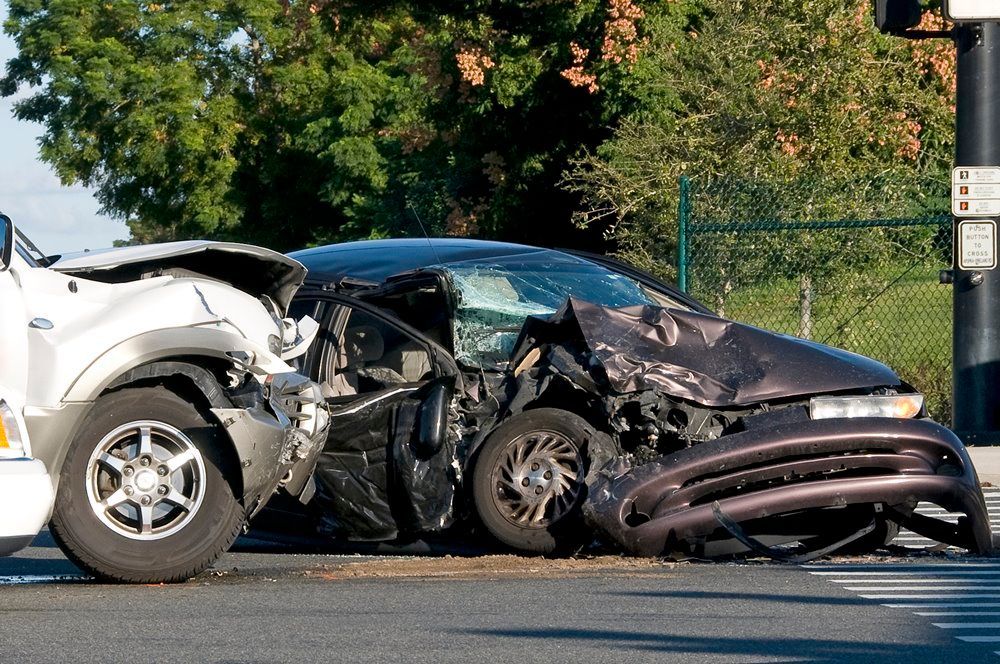
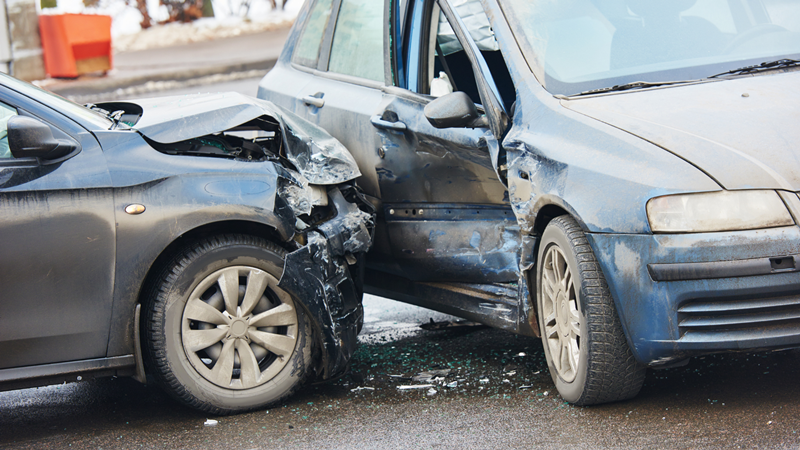
The crash occurred near 90th Street and Blair High Road at about 2 p.m. on Sunday, July 12. A Kia Sorento and a Dodge Ram were involved.


A 17-year-old girl who was driving the Kia and her 14-year-old passenger were taken to the hospital. Wogugu, who was riding in the front passenger seat, was also hospitalized and pronounced dead later that evening.


The
Omaha Police Department continues to investigate what caused the accident.


Our condolences go out to Wogugu’s family, friends, and everyone affected by this loss.


How Long Do Families Have to File a Wrongful Death Claim in Omaha, NE?


Families in Omaha generally have two years from the date of death to file a wrongful death claim under Nebraska law. Although limited exceptions may affect this deadline, missing it can prevent a family from pursuing compensation.


Even so, two years can pass faster than expected. Records may become difficult to obtain, witnesses can relocate, and vehicle data may disappear over time, making it important to preserve evidence while the details remain clear.


Under Nebraska law, the deceased person’s personal representative must bring the claim on behalf of the estate. Any recovery benefits the surviving spouse and next of kin based on their losses following the fatal crash.


Across northwest Omaha, busy routes such as Blair High Road, North 72nd Street, and the ramps connecting with Interstate 680 carry steady traffic through residential communities. Serious collisions along these roads can raise difficult questions about fault and available insurance coverage.


In many cases, appointing a personal representative requires opening an estate through the probate court. Because this process can take several weeks, beginning early may help families avoid unnecessary pressure as the filing deadline approaches.


At the same time, some circumstances may involve additional deadlines or procedural requirements. Claims involving government vehicles or public entities can follow different rules, so families should confirm the timeline that applies to their specific case.


Dealing with insurance companies can add another burden during an already painful time. An
Omaha wrongful death lawyer can manage communications, collect medical and crash records, and help open the estate properly while protecting the family’s right to pursue a claim.


Our team at Harris & Associates helps Nebraska families understand wrongful death deadlines, estate requirements, and the legal options available after a fatal collision. For clear guidance about your situation, call us at (402) 397-1202.


Note:
This post is based on information obtained from publicly available secondary sources. While we strive to ensure the accuracy of the information presented, Harris & Associates, P.C, L.L.O has not independently verified all details of the incident reported. If you notice any inaccuracies or missing information, please contact Harris & Associates, P.C, L.L.O so we can promptly review and update the content.


Disclaimer:
The content of this post is provided for general informational purposes only and should not be interpreted as legal or medical advice. Reading this post does not create an attorney-client relationship with Harris & Associates, P.C, L.L.O. If you have been injured in an accident, seek appropriate medical care and consult a qualified attorney regarding your legal options. Any images included are for illustrative purposes only and do not depict the actual accident scene or individuals involved.

Hire Our Personal Injury Attorney Based in Omaha, NE

Call Harris & Associates, P.C, L.L.O today

serving Omaha, NE and surrounding areas

Thank you for visiting the website of Harris & Associates, P.C, L.L.O Our experienced personal injury law firm represents clients in and around Omaha, NE. Our focus areas include truck and semitruck collisions, workplace injuries, workers' compensation, brain injuries and product liability and neglect. We can also represent clients for a variety of other legal matters.


Please use the form on this page to schedule an appointment. Or you can call (402) 397-1202 to speak with someone directly.

Email Us Today

Contact Form

SMS Text Messaging Disclosure:

By providing a telephone number and submitting this form, you consent to receive SMS text messages from Harris & Associates, PC, LLO. Message frequency may vary. Message and data rates may apply. Reply STOP to opt out of further messaging or HELP for more information. Please review our Privacy Policy  for details on how we handle your information.


Harris & Associates, P.C, L.L.O


Our Location

13625 California Street, Omaha, Nebraska 68154, United States

Call Us:

Hours:

Mon - Fri
-
Sat - Sun
Appointment Only
By James Harris July 16, 2026
You may think a collision involving a commercial semi-truck is simply a larger version of a car accident case. The actual scenario is quite more complex: Federal regulations, multiple potentially liable parties, specialized evidence sources, and catastrophic injury scales set truck accident claims apart from standard vehicle crashes. An Omaha semi-truck accident attorney knows how those differences shape your case and what it takes to build a claim that holds trucking companies accountable. A legal team serving truck accident victims in Omaha and across Nebraska can walk you through each step. But first, you can review this post to learn the distinctive features that make semi-truck accidents different from regular car crashes. Why Semi-Truck Cases Are Distinct From a Legal Perspective The commercial trucking industry operates under a federal regulatory framework that does not apply to ordinary motorists. The Federal Motor Carrier Safety Administration, commonly known as FMCSA, issues binding regulations at 49 CFR Parts 300 through 399 covering everything from driver qualifications and hours of service to vehicle inspection requirements and cargo securement standards. When a truck driver or carrier violates one of those regulations and a crash results, that violation can be powerful evidence of negligence. Nebraska's interstate highway system makes the state a major commercial freight corridor. The I-80 freight corridor through Omaha, the I-29 Missouri River corridor, and Highway 75 between Omaha and Plattsmouth carry heavy commercial truck traffic daily. Crashes involving semi-trucks on these routes can occur at highway speeds and produce injuries far more severe than comparable passenger vehicle crashes because of the massive weight disparity between an 80,000-pound loaded semi-trailer and a standard passenger car. The Federal Regulations That Govern Commercial Truck Drivers FMCSA hours of service rules under 49 CFR Part 395 limit how many hours a commercial driver may operate a vehicle before taking mandatory rest breaks. A driver who exceeded those hours and caused a crash may have violated federal law. Electronic logging device requirements under 49 CFR Part 395.8 now require most commercial carriers to record driving time electronically, making it harder to falsify logs and easier for attorneys to document hours of service violations. Truck drivers must hold valid commercial driver's licenses with the appropriate endorsements for the cargo they are hauling. Carriers must conduct pre-employment drug and alcohol testing and maintain records of driver qualifications. When a carrier hires a driver with a history of violations or fails to conduct required background checks, that hiring decision itself may constitute negligence under theories of negligent hiring and negligent entrustment. Identifying All Potentially Liable Parties After a Truck Crash One of the most important differences between truck accident cases and standard car accident cases is the number of parties who may share legal responsibility for the crash. In a typical car accident, liability generally rests with the at-fault driver. In a truck crash, the analysis extends much further. The trucking company, sometimes called the motor carrier, may be directly liable for negligent hiring, inadequate driver training, failure to maintain the vehicle, or pressuring drivers to drive beyond legal hours. The shipper who loaded the cargo may be liable if improper loading caused the trailer to shift and the driver to lose control. The manufacturer of the truck or its components may bear liability if a mechanical failure caused the crash. A maintenance contractor who serviced the vehicle may be liable if negligent maintenance is implicated. The Evidence That Makes or Breaks a Truck Crash Case Commercial trucks generate evidence that simply does not exist in passenger vehicle crashes. Electronic logging devices record hours of service compliance and can identify whether the driver had exceeded rest limits before the crash. The truck's engine control module, sometimes called the event data recorder or black box, may capture speed, braking input, and other parameters in the seconds before impact. Dashcam footage, if the truck was equipped with a forward-facing camera, can document road conditions and driver behavior. This evidence can be overwritten, erased, or destroyed quickly. FMCSA regulations require carriers to retain certain records for specified periods, but without a legal hold notice, electronically stored data may be lost. An Omaha semi-truck accident attorney can send a spoliation letter to the trucking company immediately after a crash, creating a documented obligation to preserve this data and setting the stage for sanctions if it is later destroyed. Omaha Wrongful Death and Catastrophic Injury in Truck Crashes Because of their size and speed, semi-truck collisions frequently cause catastrophic injuries including traumatic brain injuries, spinal cord injuries, multiple fractures, amputations, and fatal injuries. When a Nebraska family loses a loved one in a truck crash, they may have a claim under Nebraska's wrongful death statute at Neb. Rev. Stat. § 30-810, which must be filed within two years of the date of death. Cases involving fatalities on the I-29 corridor or U.S. District Court for the District of Nebraska may also implicate federal venue considerations if the trucking company is incorporated out of state. Catastrophic injury cases require careful calculation of future damages including lifetime medical expenses, future lost earning capacity, and long-term care costs. These calculations require expert life care planners, vocational specialists, and economic analysts. An Omaha wrongful death attorney who has experience with Nebraska traffic fatalities understands how to retain and present this expert testimony effectively. FAQ: Semi-Truck Accidents in Nebraska How soon after a truck crash should I contact an attorney? As soon as possible. Evidence including ELD data, dashcam footage, and driver logs can be lost within days. An attorney can send a preservation letter to the trucking company immediately. Can I sue both the truck driver and the trucking company? Yes, in many cases. The trucking company may be directly liable for its own conduct and vicariously liable for the driver's conduct under respondeat superior, which holds employers responsible for employees' actions within the scope of employment. Does federal trucking law apply to my Nebraska case? Yes. FMCSA regulations apply to interstate commercial carriers operating in Nebraska and across state lines. Violations of these federal regulations are relevant to establishing negligence in a Nebraska court. What if the trucking company's insurer contacts me quickly with a settlement offer? Do not accept or sign anything before speaking with an Omaha semi-truck accident attorney. Early settlement offers in truck crash cases are often made before the full extent of injuries and long-term losses are known. How is fault determined in a Nebraska truck crash case? Nebraska courts apply modified comparative negligence. Each party's percentage of fault is assessed, and damages are reduced accordingly. If you are found 50% or more at fault, recovery is barred. What if multiple parties were at fault? Nebraska law allows you to pursue claims against all liable parties. Each defendant may be assigned a percentage of fault, and you can collect from each party proportionate to their assessed share of liability. Are truck accident cases settled or do they go to trial? Both outcomes occur. Many truck accident cases are resolved through negotiated settlements. Others proceed through the U.S. District Court for the District of Nebraska or Douglas County District Court. The path depends on the insurer's positions and the strength of the evidence. Speak With an Omaha Truck Accident Attorney If you or a family member was injured in a semi-truck crash in Omaha along the I-80 corridor, or anywhere in Nebraska, we invite you to contact Harris & Associates, P.C., L.L.O. at (402) 397-1202 for a free consultation with our Omaha semi-truck accident attorney . Last reviewed: July 2026 This post was reviewed by James E. Harris, licensed in Nebraska since 1986. This blog post is for informational purposes only and does not constitute legal advice. Reading this post does not create an attorney-client relationship. If you have been injured, contact a licensed Nebraska attorney to discuss your specific situation.
By James Harris July 16, 2026
Omaha, NE (July 16, 2026) – A man sustained serious burns after a house fire broke out near North 47th Street and Bedford Avenue in Omaha on Thursday morning, July 16. Emergency units arrived around 11:40 a.m. after a caller reported a garage fire. When crews arrived, they found that the flames had spread beyond the detached garage and upgraded the call to a full house fire assignment. Several explosions on the property prompted additional assistance. Responders transported the injured man to Nebraska Medicine for treatment. His name and age have not been released. The Omaha Fire Department is working to determine what sparked the fire and caused the explosions. We are thinking of the injured man as he receives medical care. What Damages Can You Recover After a House Fire in Omaha, NE? You may recover medical expenses, lost income, property losses, and compensation for pain and suffering after an Omaha house fire caused by negligence. The amount available depends on who was responsible and the extent of your losses. Because serious burns may require lengthy treatment, medical expenses can rise quickly. A claim may include skin grafts, infection care, physical therapy, and reconstructive procedures, along with any medical treatment the injured person is expected to need later. In Nebraska, house fire claims may involve unsafe wiring, gas lines, defective products, or poor property maintenance. Homes near Ames Avenue, Maple Street, and the Benson corridor may also contain older electrical or heating systems requiring careful inspection. Beyond immediate medical costs, economic damages cover measurable losses such as hospital bills, prescriptions, missed wages, and damaged belongings. Non-economic damages address losses that are harder to calculate, including lasting pain, permanent scarring, emotional distress, and a reduced quality of life. Depending on the circumstances, several parties may share responsibility for the fire. A landlord, contractor, utility company, or appliance manufacturer could each be accountable, while Nebraska’s modified comparative fault rule may reduce compensation when an injured person shares fault. While the investigation remains ongoing, determining where a fire began can be difficult while an injured person remains hospitalized. An Omaha personal injury lawyer can consult fire specialists, obtain inspection records, examine insurance policies, and preserve important evidence before the property undergoes repairs or cleanup. At Harris & Associates, we help injured people understand their options after preventable fires in Nebraska. Our team can review the evidence, explain which damages may apply, and handle insurance communications while you focus on your medical care and recovery. Questions about medical expenses and financial recovery often arise quickly after an Omaha fire. Call Harris & Associates at (402) 397-1202 to discuss what happened and learn which steps may be available for your claim. Note: This post is based on information obtained from publicly available secondary sources. While we strive to ensure the accuracy of the information presented, Harris & Associates, P.C, L.L.O has not independently verified all details of the incident reported. If you notice any inaccuracies or missing information, please contact Harris & Associates, P.C, L.L.O so we can promptly review and update the content. Disclaimer: The content of this post is provided for general informational purposes only and should not be interpreted as legal or medical advice. Reading this post does not create an attorney-client relationship with Harris & Associates, P.C, L.L.O. If you have been injured in an accident, seek appropriate medical care and consult a qualified attorney regarding your legal options. Any images included are for illustrative purposes only and do not depict the actual accident scene or individuals involved.
By James Harris July 16, 2026
Omaha, NE (July 16, 2026) – A 38-year-old motorcyclist died after his motorcycle and an SUV collided on Thursday, July 16, at North 144th and Corby Streets in northwest Omaha. Emergency units arrived shortly after 12:23 a.m. Responders transported the rider to CUMC-Bergan Mercy, where medical personnel pronounced him dead. Police have not released his identity. Investigators determined that the SUV was traveling south on North 144th Street when its driver turned left onto Corby Street. The northbound motorcycle then struck the side of the SUV, throwing the rider from his bike. Officers arrested the SUV driver and suspect alcohol contributed to the accident. The Omaha Police Department continues to investigate the circumstances surrounding the crash. Our sincere sympathies are with the motorcyclist’s family and friends during this difficult time. Who Can File a Wrongful Death Claim in Omaha, NE? Only the personal representative of the deceased person’s estate can file a wrongful death claim in Omaha. The representative brings the claim for the surviving spouse and next of kin, who may receive any compensation recovered. In many cases, family members nominate someone close to the person who died, and the court formally appoints that individual. Completing this estate process early can help prevent unnecessary delays once the wrongful death case begins. Across Douglas County, busy roads such as Maple Street, Blondo Street, and West Dodge Road carry steady traffic near North 144th Street. Left-turn crashes can be especially dangerous when drivers misjudge an approaching motorcyclist’s speed or distance. Beyond that, a wrongful death claim may seek funeral and burial expenses, lost financial support, and compensation for lost companionship. The amount available often depends on the deceased person’s age, earnings, household role, and family relationships. When alcohol may have contributed to a fatal crash, criminal charges and a civil claim can move forward separately. The family does not need to wait for a criminal conviction before pursuing compensation through a wrongful death case. During an already difficult time, families may struggle with the unfamiliar paperwork, insurance questions, and urgent evidence concerns involved in opening an estate. An Omaha wrongful death attorney can handle these responsibilities, preserve available records, and clearly explain the family’s legal options. Our team at Harris & Associates helps Nebraska families understand the legal process that follows a fatal crash. We can review the circumstances, address insurance concerns, and explain each step involved in pursuing a wrongful death claim. If you have questions after a fatal crash in Omaha, call Harris & Associates at (402) 397-1202. We can discuss your family’s situation and help you understand what may come next. Note: This post is based on information obtained from publicly available secondary sources. While we strive to ensure the accuracy of the information presented, Harris & Associates, P.C, L.L.O has not independently verified all details of the incident reported. If you notice any inaccuracies or missing information, please contact Harris & Associates, P.C, L.L.O so we can promptly review and update the content. Disclaimer: The content of this post is provided for general informational purposes only and should not be interpreted as legal or medical advice. Reading this post does not create an attorney-client relationship with Harris & Associates, P.C, L.L.O. If you have been injured in an accident, seek appropriate medical care and consult a qualified attorney regarding your legal options. Any images included are for illustrative purposes only and do not depict the actual accident scene or individuals involved.
By James Harris July 15, 2026
Lincoln, NE (July 15, 2026) – A two-vehicle crash occurred near South 27th Street and Arlington Avenue in Lincoln on Wednesday afternoon, July 15. The crash occurred around 2:43 p.m. According to initial reports, the wreck involved a white Nissan-type car and a construction truck. Both vehicles had moved a short distance south of the intersection before emergency units arrived. Authorities have not yet confirmed how many people were hurt or the extent of their injuries. They also have not released the names or ages of those involved. The Lincoln Police Department continues to investigate what caused the collision. Our thoughts are with those affected as they move forward. How Long Do You Have to File a Car Accident Lawsuit in Lincoln, NE? You have four years from the date of a crash to file a car accident lawsuit in Lincoln. Nebraska courts rarely make exceptions after this deadline, and missing it may prevent you from seeking compensation through a lawsuit. Even with that time, four years can pass more quickly than expected. Vehicles may undergo repairs, physical evidence can disappear, and witnesses may forget important details. Gathering records early can help preserve the information needed to support your case. In some cases, different deadlines may apply. Claims involving a city, county, or state entity can carry much shorter notice periods. Crashes along O Street, Cornhusker Highway, or Highway 2 may involve special rules when government vehicles or road projects contribute. Commercial vehicle claims can also become complicated. A construction truck may belong to one company, while another operates it and a separate insurer provides coverage. Identifying every responsible party can require time and careful investigation. After receiving medical care, keep your medical records, bills, repair estimates, and notices showing missed work. These documents help establish how the wreck affected your health, finances, and daily life while supporting the value of your claim. As your claim moves forward, keep copies of insurance letters, claim numbers, photographs, and messages with adjusters. A complete record can help you track what you reported, what the insurer requested, and which losses remain unpaid. Before injuries become clear, an adjuster may ask questions or request a recorded statement. A car accident lawyer can manage these discussions, monitor filing deadlines, and explain which forms of compensation may apply to your circumstances. At Harris & Associates, we help injured people throughout Nebraska understand their rights and address insurance concerns after serious crashes. We provide clear guidance so you can make informed decisions about the steps ahead. If you have questions after a crash in Lincoln, call Harris & Associates at (402) 397-1202. We can review your circumstances, explain your legal options, and help you understand what to do next. Note: This post is based on information obtained from publicly available secondary sources. While we strive to ensure the accuracy of the information presented, Harris & Associates, P.C, L.L.O has not independently verified all details of the incident reported. If you notice any inaccuracies or missing information, please contact Harris & Associates, P.C, L.L.O so we can promptly review and update the content. Disclaimer: The content of this post is provided for general informational purposes only and should not be interpreted as legal or medical advice. Reading this post does not create an attorney-client relationship with Harris & Associates, P.C, L.L.O. If you have been injured in an accident, seek appropriate medical care and consult a qualified attorney regarding your legal options. Any images included are for illustrative purposes only and do not depict the actual accident scene or individuals involved.
By James Harris July 15, 2026
Bennington, NE (July 15, 2026) – On Tuesday afternoon, July 14, a pickup truck struck an 11-year-old boy riding a scooter near 179th Street and Island Circle as the kid traveled north with two other children. Emergency units arrived around 4:30 p.m. Neighbors who witnessed the collision began lifesaving measures before help reached the intersection. The boy was taken to Children’s Nebraska for medical care. Neither his name nor the identity of the westbound pickup driver has been released. The Douglas County Sheriff’s Office continues to investigate what led to the wreck. We hope the boy makes a full and swift recovery. Can I File a Claim If My Child Was Injured in a Crash in Bennington, NE? Yes, a parent or legal guardian can file an injury claim for a child hurt in a Bennington crash. Because children cannot pursue claims themselves, a parent may seek compensation for medical expenses, future care, and pain. Because children have little protection while riding scooters or bicycles, a collision with a truck can cause serious harm. Recovery may involve extended treatment, follow-up appointments, and continued evaluations as doctors assess how the injury affects the child’s development. Around Bennington, traffic continues to increase as neighborhoods expand west of Omaha. Roads such as 168th Street, Bennington Road, and State Street carry vehicles through places where children regularly walk, ride bicycles, and use scooters. Under Nebraska’s modified comparative fault rule, compensation may be reduced when an injured person shares responsibility for a crash. However, a child’s age and ability to recognize danger may affect how responsibility is evaluated. Once the claim begins, medical records help document the child’s injuries and ongoing needs. Copies of hospital bills, scans, specialist reports, and follow-up notes can show the care already provided and what treatment may still be necessary. Even after the parties agree on compensation, a Nebraska court may review a settlement involving a child to protect the child’s interests. Minors may also receive additional time to file, although delays can make important evidence harder to preserve. Managing hospital visits, medical bills, and insurance calls can quickly overwhelm a family. An Omaha personal injury attorney can gather records, communicate with adjusters, and explain the compensation that may be available while parents focus on caring for their child. Our team at Harris & Associates helps Nebraska families understand injury claims involving children hurt in traffic crashes. We review the available information, answer questions clearly, and guide families through each stage of the claims process. If your child was injured in a scooter crash in Omaha, contact Harris & Associates at (402) 397-1202. We can explain the legal options that may apply to your family’s circumstances. Note: This post is based on information obtained from publicly available secondary sources. While we strive to ensure the accuracy of the information presented, Harris & Associates, P.C, L.L.O has not independently verified all details of the incident reported. If you notice any inaccuracies or missing information, please contact Harris & Associates, P.C, L.L.O so we can promptly review and update the content. Disclaimer: The content of this post is provided for general informational purposes only and should not be interpreted as legal or medical advice. Reading this post does not create an attorney-client relationship with Harris & Associates, P.C, L.L.O. If you have been injured in an accident, seek appropriate medical care and consult a qualified attorney regarding your legal options. Any images included are for illustrative purposes only and do not depict the actual accident scene or individuals involved.
By James Harris July 15, 2026
Omaha, NE (July 15, 2026) – Three vehicles collided on the northbound JFK Freeway near F Street early on Wednesday, July 15. The wreck occurred at about 12:05 a.m. and blocked multiple lanes. According to initial reports, a white Toyota sedan, a black Mazda sedan, and a black Subaru were involved. One vehicle partially blocked two northbound lanes, while the other two were moved to the inside shoulder. Emergency units arrived to assist those involved. No details were released about the drivers, passengers, or whether anyone required hospital care. The Omaha Police Department continues to investigate what caused the wreck. We are thinking of everyone involved and hope they make a full and swift recovery. What Evidence Should I Collect After a Crash in Omaha, NE? After a crash in Omaha, collect photographs, contact information, and official records. Photograph vehicle positions, road markings, and visible damage. You should also record the names and phone numbers of every driver and witness before everyone leaves. Next, seek medical attention and keep copies of your records. Some injuries appear immediately, while others develop after swelling or stiffness begins. Notes from your first medical visit can connect your symptoms to the accident and document your recovery. Across Omaha, the JFK Freeway carries steady traffic toward Interstate 80 and other major routes. Nearby roads such as Interstate 680, North 30th Street, and Ames Avenue also become more hazardous when darkness limits visibility and drivers travel faster. In the following days, important evidence may disappear. Dashcam recordings can be overwritten, nearby security cameras may erase footage, and roadway marks can fade. Written notes about the weather, lighting, and drivers’ statements may preserve details that photographs miss. To support your claim, keep all related documents together. Save medical bills, repair estimates, proof of lost income, and insurance correspondence. These records help show your financial losses and provide useful support during claim negotiations with the insurance company later. When three vehicles are involved, determining responsibility may become difficult because each insurer can present a different account. An Omaha car accident attorney can obtain footage, review available records, and contact witnesses before evidence disappears, helping you understand which details support your position. Organizing photographs, bills, and insurance letters can feel overwhelming while you are recovering. Our team at Harris & Associates helps injured people throughout Nebraska gather important records, identify missing evidence, and understand the steps involved in protecting a potential claim. For clear guidance after a car accident in Omaha, contact Harris & Associates at (402) 397-1202. We will listen to your concerns, answer your questions, and explain the legal options available to you. Note: This post is based on information obtained from publicly available secondary sources. While we strive to ensure the accuracy of the information presented, Harris & Associates, P.C, L.L.O has not independently verified all details of the incident reported. If you notice any inaccuracies or missing information, please contact Harris & Associates, P.C, L.L.O so we can promptly review and update the content. Disclaimer: The content of this post is provided for general informational purposes only and should not be interpreted as legal or medical advice. Reading this post does not create an attorney-client relationship with Harris & Associates, P.C, L.L.O. If you have been injured in an accident, seek appropriate medical care and consult a qualified attorney regarding your legal options. Any images included are for illustrative purposes only and do not depict the actual accident scene or individuals involved.
By James Harris July 14, 2026
Nebraska law sets firm deadlines for filing personal injury lawsuits, and missing those deadlines typically means losing your right to compensation forever. A personal injury attorney in Omaha, Nebraska, can help you identify the correct deadline for your specific claim and take the legal steps needed before time runs out. The deadline may vary depending on the facts, the parties involved, and the type of injury claim. What Is a Statute of Limitations? A statute of limitations is a law that sets the maximum period of time within which a person must file a lawsuit after a legal claim arises. In Nebraska, personal injury statutes of limitations are found primarily in Chapter 25 of the Nebraska Revised Statutes. Once the deadline passes, Nebraska courts will almost always dismiss the lawsuit regardless of how strong the underlying claim may be. The purpose of these deadlines is to promote fairness. Evidence is preserved more reliably, witnesses' memories are fresher, and defendants have some certainty about their legal exposure. From the injured person's perspective, the deadlines mean that acting promptly is not just advisable, it is legally required. The General Nebraska Personal Injury Deadline: Four Years Under Neb. Rev. Stat. § 25-207, the general statute of limitations for most personal injury claims in Nebraska is four years from the date the injury occurred. This four-year period covers the large majority of injury cases, including car accidents in the I-80 corridor near Omaha, slip and fall incidents , workplace accidents, and most product liability cases. Four years may sound like ample time, but personal injury cases benefit enormously from early action. Surveillance footage is typically retained for only 24 to 72 hours before it is overwritten. Witnesses move away or forget details. Physical evidence degrades or is cleaned up. The sooner a personal injury attorney in Omaha, Nebraska, can begin preserving evidence and investigating your claim, the stronger that claim is likely to be. Shorter Deadlines That Apply to Specific Nebraska Claims Certain types of personal injury claims carry deadlines shorter than the general four-year period. Knowing which deadline applies to your claim is one of the most critical tasks in any injury case. Claims against government entities. If your injury was caused by the negligence of a Nebraska city, county, or state agency, including the City of Omaha, the Nebraska Department of Transportation, or the Douglas County government, you must first file a written notice of claim with the responsible government entity before you can sue. Under Neb. Rev. Stat. § 13-919, that notice must typically be filed within one year of the incident. Failure to file the notice can bar your claim entirely, regardless of how strong the underlying facts are. Wrongful death claims. Nebraska's wrongful death statute under Neb. Rev. Stat. § 30-810 requires that a lawsuit be filed within two years of the date of the deceased person's death. The Blair, Nebraska area, and Douglas County District Court regularly see wrongful death cases arising from highway accidents. Missing the two-year deadline in a wrongful death case forfeits the surviving family's right to seek justice in court. Workers' compensation claims. The Nebraska workers' compensation statute of limitations is generally two years from the date of injury or the last payment of compensation, whichever is later. When the Clock Starts: Discovery and the Discovery Rule In most Nebraska personal injury cases, the statute of limitations begins running on the date of the accident or injury. However, Nebraska courts recognize a discovery rule for situations where the injury was not immediately apparent and could not have been discovered through reasonable diligence. The discovery rule most commonly arises in cases involving occupational disease, where the connection between workplace exposure and illness may take years to diagnose. In those cases, the statute may not begin running until the injured person knew or reasonably should have known of both the injury and its likely cause. The application of the discovery rule is fact-specific, and whether it applies to your case is a legal question that requires an attorney's analysis. Evidence Preservation Along the I-80 Corridor and Beyond If your injury occurred on Nebraska's interstate highway system, including the I-80 corridor through Omaha, or on state highways near Blair or Papillion, evidence preservation is urgent. NDOT may retain traffic camera footage for only a limited period. Commercial truck electronic logging device data and black box data from commercial vehicles have preservation windows that begin running immediately after a crash. Your attorney can send preservation letters to the trucking company, the property owner, and any government entities involved in the claim immediately after you retain counsel. These letters create a documented legal obligation to preserve relevant evidence and can support sanctions if evidence is later destroyed. How Comparative Negligence Affects Your Deadline Analysis Nebraska follows a modified comparative negligence standard under Neb. Rev. Stat. § 25-21,185.09. If you are found to have contributed to your own injury, your compensation is reduced by your percentage of fault. If your fault reaches 50% or more, Nebraska law bars any recovery. The statute of limitations and comparative negligence interact practically: the longer you wait to hire an attorney, the more time the opposing party has to build a narrative that assigns fault to you. Early investigation protects not only your ability to file on time but also your ability to establish the facts in a way that minimizes the fault attributed to you. FAQ: Nebraska Personal Injury Deadlines What happens if I miss the statute of limitations in Nebraska? In almost all cases, the court will dismiss your lawsuit, and you lose your right to compensation regardless of the strength of your claim. There are very limited exceptions for minors and incapacitated persons. Does the four-year deadline apply to car accident cases in Nebraska? Yes, in most circumstances. Car accident claims in Nebraska fall under the four-year general personal injury statute of limitations at Neb. Rev. Stat. § 25-207. What if I were a minor when I was injured in Nebraska? Nebraska tolls the statute of limitations for minors under Neb. Rev. Stat. § 25-213 until age 21, after which the four-year period begins, so a young child's deadline can fall well beyond their 21st birthday. Speak with an attorney to pin down the exact date for your case. Can the deadline be extended if I did not know I was injured? Nebraska's discovery rule may delay the start of the limitations period in cases where the injury could not reasonably have been discovered at the time it occurred. This is a legal question that depends on the specific facts. Does the deadline change if the accident was on a government road? Yes, the deadline depends on the entity. Political subdivisions like the City of Omaha require a written notice of claim within one year under Neb. Rev. Stat. § 13-919. State agencies like NDOT fall under the separate State Tort Claims Act, which requires filing with the State Claims Board within two years. Confirm which one applies before relying on either deadline. What if I am still treating my injuries - should I wait until I recover? No. Treatment and legal proceedings run on separate tracks. You should consult with a personal injury attorney in Omaha, Nebraska , as soon as possible after your injury, regardless of where you are in your medical recovery. How can I find out the exact deadline for my claim? The safest way is to consult a licensed Nebraska personal injury attorney. Deadlines vary by case type, and an attorney can identify which statute applies to your specific circumstances. Speak With a Nebraska Personal Injury Attorney If you or a loved one suffered injuries in an accident in the Omaha area, Bellevue, Blair, Papillion, or anywhere in Nebraska, contact Harris & Associates, P.C., L.L.O. at (402) 397-1202 today for a free consultation. Do not let a deadline pass before you understand your rights. Last reviewed: July 2026 This post was reviewed by James E. Harris, licensed in Nebraska since 1986. This blog post is for informational purposes only and does not constitute legal advice. Reading this post does not create an attorney-client relationship. If you have been injured, contact a licensed Nebraska attorney to discuss your specific situation.
By James Harris July 14, 2026
Omaha, NE (July 14, 2026) – A motorcycle and another vehicle crashed near Maple Street in Omaha on Tuesday afternoon, July 14. The wreck was reported at approximately 3:25 p.m. Emergency units responded to assist those involved. Officials have not yet confirmed the total number of people injured or the extent of their injuries. Authorities did not release the names or ages of those involved, provide injury details, or explain what caused the collision. The Omaha Police Department continues to investigate the circumstances surrounding the crash. We hope everyone involved makes a full and steady recovery. How Do Motorcycle Accident Claims Work in Omaha, NE? A motorcycle accident claim in Omaha involves reporting the crash, receiving medical care, collecting evidence, and negotiating with insurers. Its progress depends on available records, policy terms, and your injuries. Disputes over fault or damages may cause delays. After receiving medical care, keep records connecting your injuries and treatment to the accident. Follow-up appointments may reveal problems that were not immediately apparent. Bills, prescriptions, and work restrictions can document how the injuries affect your life. As your claim develops, keep photographs, receipts, appointment notes, and mileage records together. These documents help establish the financial effects of the accident. Missing records may make it harder to show the full extent of your losses. Before you discuss the accident with an insurer, review the facts and avoid guessing about uncertain details. Give accurate, consistent answers. Statements made early in the process may affect how the insurer evaluates fault and your claimed losses. Once an adjuster reviews the claim, the insurer may examine photographs, witness statements, vehicle damage, medical records, and video. Nebraska’s comparative fault rules may reduce compensation based on your responsibility. Clear evidence can help challenge unfair blame. If medical bills continue to grow, the claim should include more than your initial treatment. Future care, lost income, and reduced earning ability may also affect its value. An early settlement may not account for these continuing losses. When an insurer delays payment or disputes your losses, an Omaha personal injury attorney can gather evidence, review coverage, and communicate with the adjuster. A lawyer can also calculate ongoing expenses and help you evaluate a settlement offer before making a final decision. At Harris & Associates, we help injured people in Nebraska understand their options after accidents. We review the evidence, insurance coverage, medical expenses, lost income, and fault issues that may affect a claim. To discuss your motorcycle accident claim in Omaha, call Harris & Associates at (402) 397-1202. Our team can review what happened and explain the next steps that are available to you. Note: This post is based on information obtained from publicly available secondary sources. While we strive to ensure the accuracy of the information presented, Harris & Associates, P.C, L.L.O has not independently verified all details of the incident reported. If you notice any inaccuracies or missing information, please contact Harris & Associates, P.C, L.L.O so we can promptly review and update the content. Disclaimer: The content of this post is provided for general informational purposes only and should not be interpreted as legal or medical advice. Reading this post does not create an attorney-client relationship with Harris & Associates, P.C, L.L.O. If you have been injured in an accident, seek appropriate medical care and consult a qualified attorney regarding your legal options. Any images included are for illustrative purposes only and do not depict the actual accident scene or individuals involved.
By James Harris July 14, 2026
Omaha, NE (July 14, 2026) – One person suffered critical injuries when a moped and a MOBY Metro bus collided on Tuesday morning, July 14. The wreck happened at about 6:00 a.m. near North 24th Street and Burt Street. Emergency units arrived to assist the people involved. Authorities have not yet confirmed whether the injured person was riding the moped, traveling on the bus, or was taken to a hospital. The names and ages of those involved, along with the cause of the crash and how the vehicles came into contact, were not immediately available. The Omaha Police Department is investigating the collision. We hope the injured person receives compassionate care and steady support in the days ahead. What Mistakes Should You Avoid After a Moped Accident in Omaha, NE? After a moped accident in Omaha, you should avoid delaying medical care, failing to report the collision, losing evidence, giving an unprepared insurance statement, or accepting a quick settlement. Each mistake can weaken your claim. Careful early action helps protect key records. Once you receive medical care, follow the recommended treatment plan and keep every record. Some injuries may not seem serious at first. Treatment gaps can leave health concerns unresolved and lead insurers to question later symptoms. In Omaha, moped riders share busy roads with buses, cars, cyclists, and pedestrians. North 24th Street is an active transit corridor. Nearby Cuming and Dodge Streets add steady traffic, raising questions about visibility, turns, lane position, and stopping distance. After the report, preserve photos, witness details, medical records, damaged property, clothing, and video. Bus claims may also involve route logs, onboard footage, maintenance files, and electronic data. Together, these materials help document the collision and its effects. When fault is disputed, an insurance statement is not final. Nebraska may divide responsibility and reduce compensation based on fault. Vehicle damage, video, witnesses, and road markings can clarify what happened. To document your losses, keep medical records, repair estimates, receipts, and proof of missed work. These records show how the accident affected your health and finances. They may also support the value of your claim. If an insurer makes an early offer, it may not account for your full losses. An Omaha personal injury lawyer can preserve evidence, review coverage, and address disputes. Legal guidance can help you evaluate the offer before closing your claim. At Harris & Associates, we help injured people after serious crashes in Nebraska. We review records, explain how fault may affect your claim, and offer clear guidance for the decisions ahead. If you have questions after a moped or bus crash in Omaha, call Harris & Associates at (402) 397-1202. We can discuss your case and help you understand what to do next. Note: This post is based on information obtained from publicly available secondary sources. While we strive to ensure the accuracy of the information presented, Harris & Associates, P.C, L.L.O has not independently verified all details of the incident reported. If you notice any inaccuracies or missing information, please contact Harris & Associates, P.C, L.L.O so we can promptly review and update the content. Disclaimer: The content of this post is provided for general informational purposes only and should not be interpreted as legal or medical advice. Reading this post does not create an attorney-client relationship with Harris & Associates, P.C, L.L.O. If you have been injured in an accident, seek appropriate medical care and consult a qualified attorney regarding your legal options. Any images included are for illustrative purposes only and do not depict the actual accident scene or individuals involved.
By James Harris July 14, 2026
Omaha, NE (July 14, 2026) – A man was injured after a transit moped-style vehicle and a small electric bike collided on South 1st Street in Omaha on Tuesday morning, July 14. Emergency units arrived around 6:04 a.m. to assist those involved. Crews found a 45-year-old man with an apparent head injury. Initial reports indicated that he briefly lost consciousness but was beginning to regain awareness while breathing heavily. The other person’s identity, the cause of the accident, the man’s hospital transfer, and further details about his medical status remain unknown at this time. The Omaha Police Department continues to investigate the wreck. We wish the injured man steady progress during his recovery. Who Pays Your Medical Bills After a Moped Accident in Omaha, NE? After a moped accident in Omaha, health insurance or MedPay may cover initial bills, while the at-fault party’s insurer may pay qualifying expenses after liability is established. In Nebraska’s fault-based system, payment depends on evidence, policy terms, coverage limits, and any dispute over responsibility. Beyond the first medical visit, a head injury may require testing, follow-up care, medication, and monitoring. Some symptoms appear later. Keeping appointments helps doctors track recovery and connect treatment costs to the injury. Across Omaha, moped and e-bike riders share busy roads with larger vehicles traveling at different speeds. South 1st Street connects with central routes used by local and commercial traffic. Nebraska law may hold the at-fault person responsible for resulting losses. When bills arrive, health insurance pays according to deductibles, copayments, and policy limits. MedPay may cover certain expenses before a fault dispute ends. An insurer that pays first may later request reimbursement from a settlement. It is important to keep expenses organized, save medical bills, pharmacy receipts, insurance statements, and travel records. These documents show what you paid. They can also help identify costs that remain outstanding. If another driver caused the accident, bodily injury liability coverage may pay reasonable medical expenses and other qualifying losses. Policy limits may leave some costs unpaid. Uninsured or underinsured motorist coverage may then become important. When an insurer disputes fault, treatment, or payment, managing the claim can become difficult. An Omaha personal injury lawyer can collect records and connect expenses to documented injuries. Legal guidance may also help you review repayment demands before accepting a settlement. At Harris & Associates, we help injured people after serious moped accidents across Nebraska. Our team builds each claim around clear evidence, documented losses, and the full effect of the injuries. If you were injured in a moped crash in Omaha, call Harris & Associates at (402) 397-1202. A free consultation can help you determine what steps may come next. Note: This post is based on information obtained from publicly available secondary sources. While we strive to ensure the accuracy of the information presented, Harris & Associates, P.C, L.L.O has not independently verified all details of the incident reported. If you notice any inaccuracies or missing information, please contact Harris & Associates, P.C, L.L.O so we can promptly review and update the content. Disclaimer: The content of this post is provided for general informational purposes only and should not be interpreted as legal or medical advice. Reading this post does not create an attorney-client relationship with Harris & Associates, P.C, L.L.O. If you have been injured in an accident, seek appropriate medical care and consult a qualified attorney regarding your legal options. Any images included are for illustrative purposes only and do not depict the actual accident scene or individuals involved.
Show More